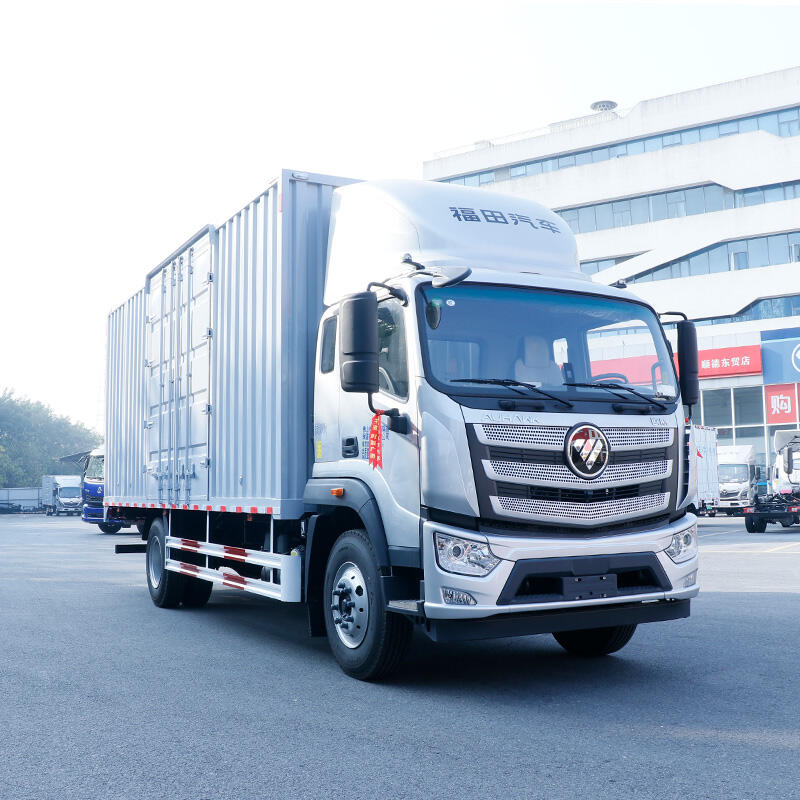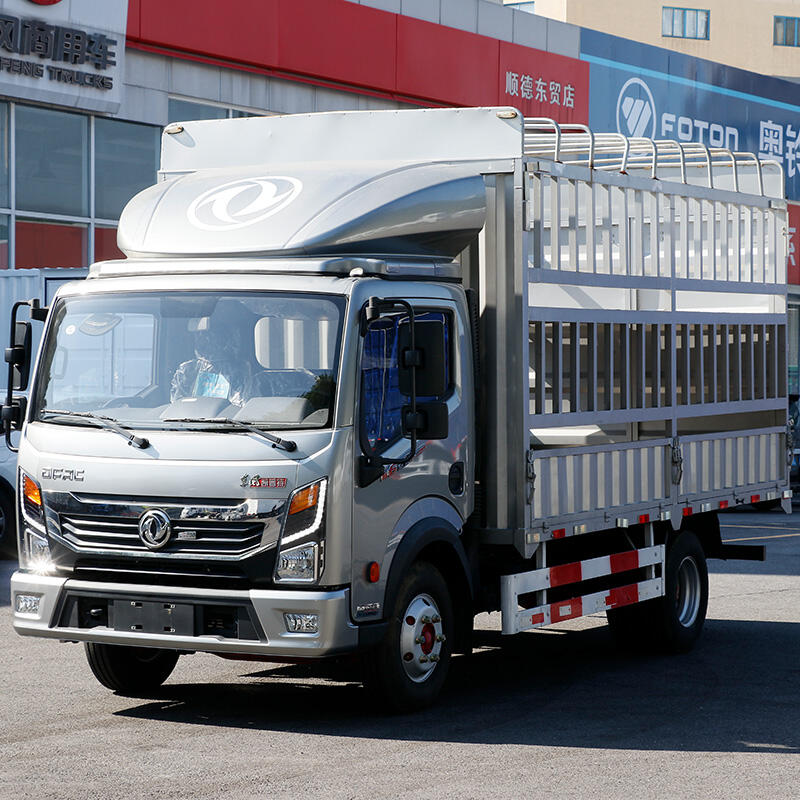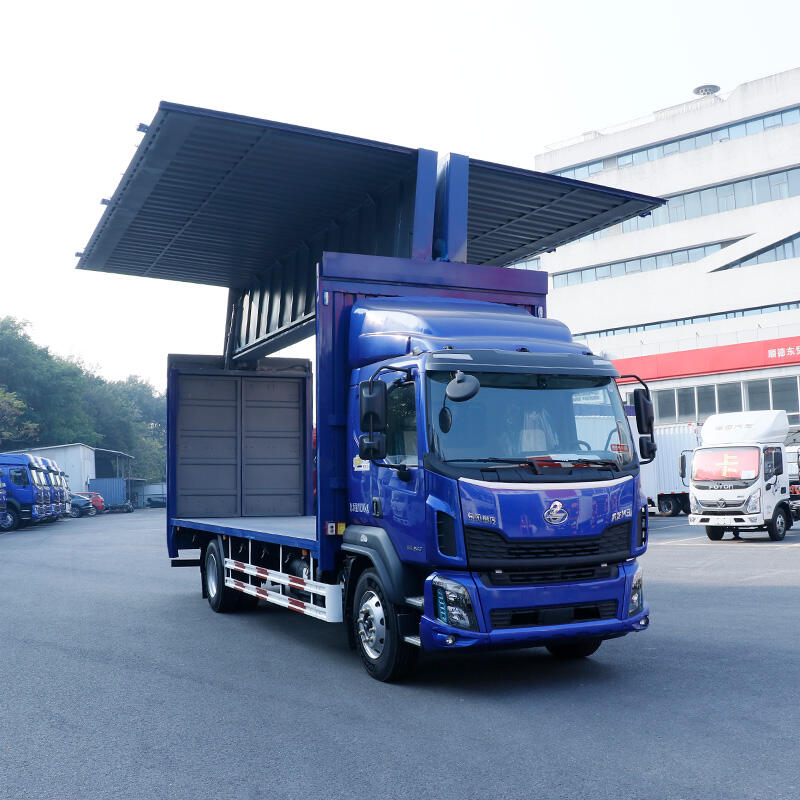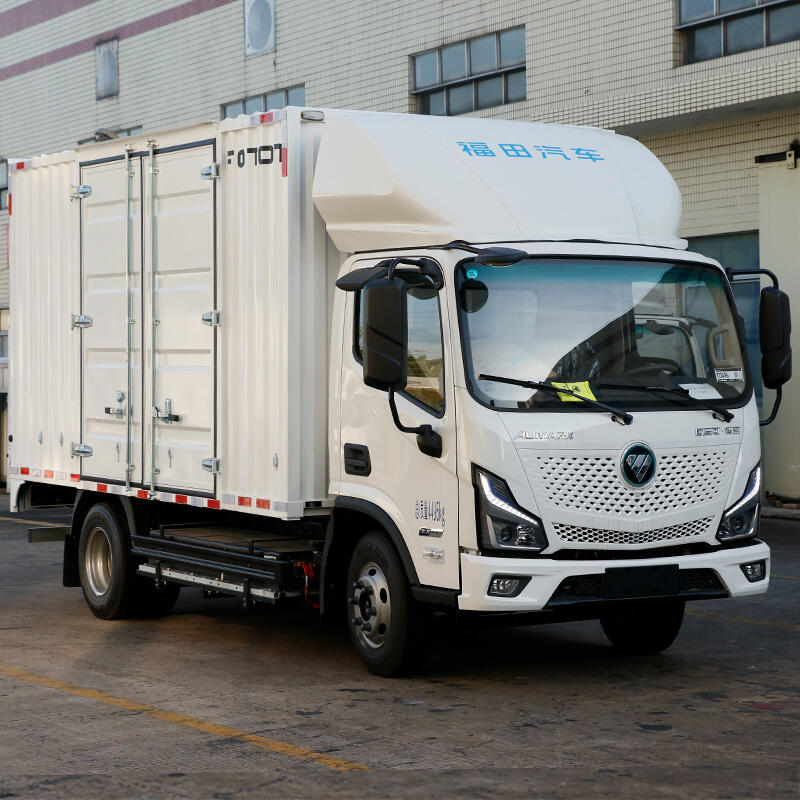
When looking at their operations, fleet managers need to check how far trucks travel each day, what speed they typically maintain, and how often they stop compared to what electric vehicles can actually handle. For cities where delivery trucks usually cover around 80 to 120 miles between charging points, studies from Frost & Sullivan back in 2023 found these routes work well about 92% of the time. Hybrid setups tend to be better suited for fleets that do different kinds of jobs throughout the day. According to recent data, roughly 73 percent of fleet operators now rely on telematics systems to spot which routes might be good candidates for going electric. They look at things like how far away from the depot the truck needs to go, whether there's a lot of hills along the way, and if extreme temperatures could affect battery performance.
Electric trucks generally haul about 8 to 12 percent less cargo than their diesel counterparts because batteries add extra weight. The latest Fleet Electrification Report from 2024 shows that Class 6 electric box trucks manage around 9,800 pounds of payload while diesel versions can handle approximately 11,200 pounds. For fleet managers thinking about making the switch, it's worth checking what kind of loads they usually transport. Doing some math on how much battery weight impacts capacity makes sense too. And don't forget to double check if these vehicles still meet gross vehicle weight requirements so nothing gets compromised when it comes to getting work done efficiently.
For fleets running their vehicles over 16 hours each day, having a solid plan for charging is absolutely essential. When using those 150kW DC fast chargers, operators should expect roughly 90 minutes lost every time they go through a 200 mile range cycle. According to research from the Ponemon Institute back in 2023, companies that only have access to less than four hours per day for charging end up paying about 23% more in maintenance expenses because all that rapid charging puts extra strain on the systems. This clearly shows why getting the timing right matters so much, along with making sure there's proper infrastructure in place to support these operations without breaking the bank on repairs down the road.
A major logistics provider reduced nightly charging stops by 20% through geofencing speed limits to 55 mph, consolidating delivery zones, and installing depot chargers at 35% utilization. This approach increased daily vehicle utilization from 68% to 84% while maintaining a 98% route completion rate, demonstrating how operational adjustments can enhance electric truck efficiency.
Manufacturer range estimates often overstate real-world performance. Urban fleets in dense corridors typically achieve 22% less range than laboratory results due to frequent acceleration and deceleration. Route optimization software that integrates charging station locations with delivery zones improves reliability by 18% compared to static planning, enabling more accurate dispatch decisions.
Efficiency varies significantly across vehicle types, impacting long-term operating costs:
| Truck Type | Avg. Efficiency | Operational Cost per Mile |
|---|---|---|
| Box Truck (Urban) | 2.1 mi/kWh | $0.38 |
| Tractor (Regional) | 1.6 mi/kWh | $0.51 |
| Data from 2024 fleet evaluations shows aerodynamic designs and regenerative braking account for up to 35% of efficiency differences among commercial EVs. |
Environmental and operational conditions significantly affect range:
An independent 2025 analysis revealed a 31% gap between WLTP-certified ranges and actual performance in logistics fleets using temperature-controlled trailers. Certification tests exclude real-world payloads and auxiliary power demands, prompting calls for standardized "working range" metrics that reflect vocational use cases.
Looking at the full picture when it comes to total cost of ownership means considering everything from buying the vehicle itself, ongoing energy expenses, regular maintenance needs, plus what the truck will be worth down the road. According to research published by McKinsey in 2024, we might see electric trucks matching traditional ones in overall cost for mid-sized vehicles around 2025 in certain regions where conditions are right. For those longer haul operations, the same report suggests they could catch up by about 2030. The government has also stepped in with incentives recently. Programs such as the Heavy Duty Electric Vehicle Tax Credit can actually take care of roughly 30 percent off the sticker price, which makes sense financially speaking for companies willing to jump on board sooner rather than later.
Despite 35–50% higher upfront costs, electric trucks deliver 40–50% lower maintenance expenses and 60% fuel cost savings over an eight-year cycle. Key differentiators include:
The Inflation Reduction Act’s Commercial Clean Vehicle Credit offers up to $40,000 per electric truck through 2032. Twenty-seven states provide additional rebates, with California’s HVIP program allocating $1.2 billion (2023–2024) to offset charging infrastructure costs for qualifying fleets.
Battery pack prices have fallen 89% since 2010, reaching $140/kWh in 2023. BloombergNEF forecasts $75/kWh by 2030—a threshold that would make electric trucks cheaper to produce than diesel models without subsidies—further accelerating economic viability.
Building good charging infrastructure starts by looking at how much the fleet gets used and what limitations exist at each location. For operations running over 18 hours a day, installing those powerful DC fast chargers between 150 and 350 kW makes sense, especially if they can be placed close to where vehicles start their routes. Recent research from 2024 shows something interesting too: around two thirds of places with ten or more electric trucks actually need special electrical substations. That means talking to utility companies early on isn't just helpful, it's pretty much essential these days.
Charging solutions must align with operational windows. Overnight depots commonly use 19.2 kW Level 2 systems, while logistics hubs combine 50 kW chargers for mid-shift top-ups. Operations with under four hours of turnaround may need 350 kW ultra-fast stations, though these increase infrastructure costs by 40–60% compared to standard installations.
Smart charging systems that leverage off-peak rates can reduce annual energy expenses by 18–22%. Coordinating charging with solar generation or grid demand response events helps avoid $7,500–$15,000 in yearly demand charges per station, enhancing both cost control and grid stability.
A West Coast terminal deployed 25 MW of charging capacity across 90 electric drayage trucks using modular charging pods. The phased rollout enabled incremental expansion while maintaining 98.6% vehicle availability, proving that large-scale electrification can succeed alongside high-uptime requirements when integrated strategically.
Modern electric trucks offer vehicle-to-grid compatibility and advanced telematics that improve energy efficiency by 12% when used to align performance data with charging schedules. Prioritize models with cloud-connected diagnostics to proactively address maintenance issues and minimize unplanned downtime.
Sixty-eight percent of fleets report faster EV adoption when pairing deployments with dedicated driver training. Programs should cover regenerative braking techniques, range management, and charging protocols. Establishing 24/7 technical support ensures timely resolution of operational concerns during the transition.
Replacing 20–30% of diesel vehicles annually allows fleets to scale charging infrastructure gradually while preserving service continuity. A 2023 industry report found that phased strategies reduce transition costs by 18–22% annually compared to full fleet overhauls.
Electric trucks reduce maintenance costs by 40% due to fewer fluid changes and brake wear from regenerative braking. They also improve sustainability metrics, with early adopters reporting 63% fewer particulate emissions on urban routes—aligning operations with tightening environmental regulations and corporate ESG goals.
 Hot News
2025-01-13
2025-01-13
2025-01-13
Shunzhao Auto Trade, established in 1994, focuses on commercial vehicles. We have over 30 years of industry experience, represent well - known brands like Foton and Dongfeng, with annual vehicle sales exceeding 10,000 units. Our 60,000 - square - meter factory can produce 5,000 specialized vehicles annually. We offer one - stop services from consultation to delivery, and our product range includes transport, refrigerated, and dump trucks to meet diverse needs.
No. 10 Self-Compiled, Gesha, west of the Li'an Section of Foshan First Ring Road and south of Guangfo New Main Line, Dali Town, Nanhai District, Foshan City
Copyright © 2025 by Foshan Shunzhao Import and Export Trading Co., Ltd. Privacy Policy
 EN
EN