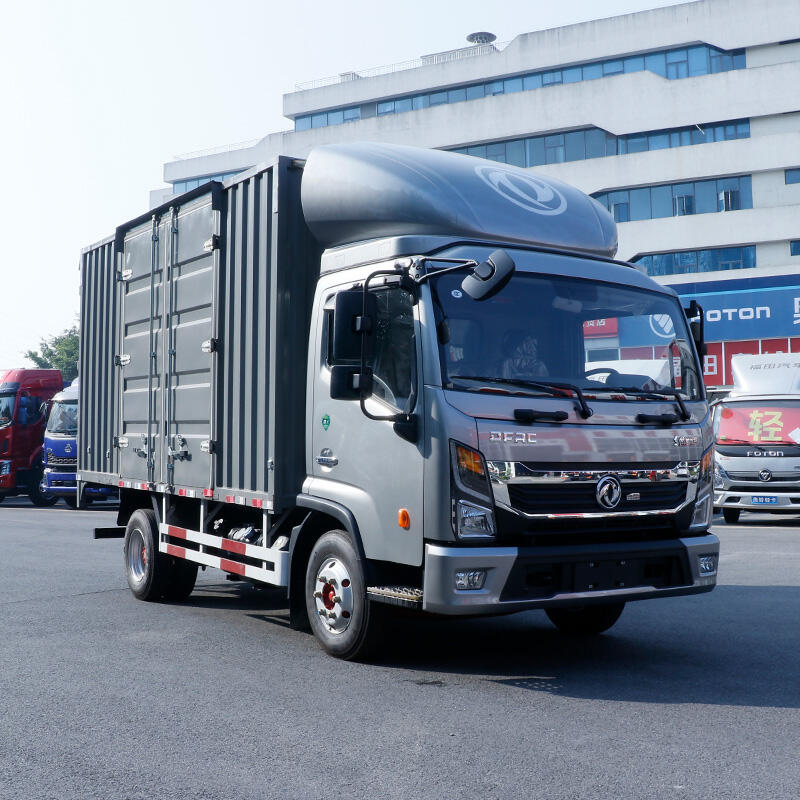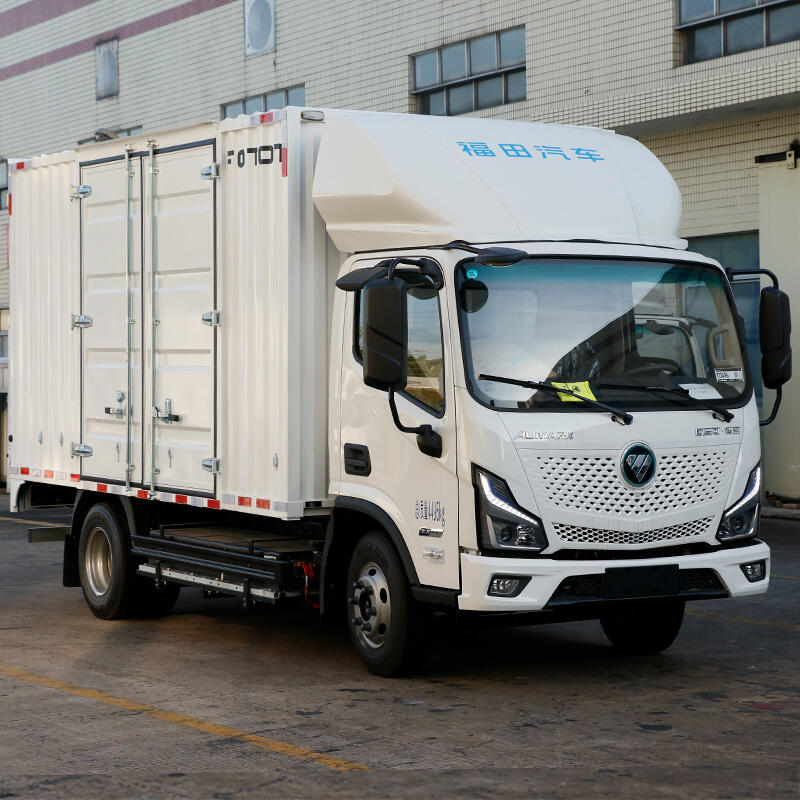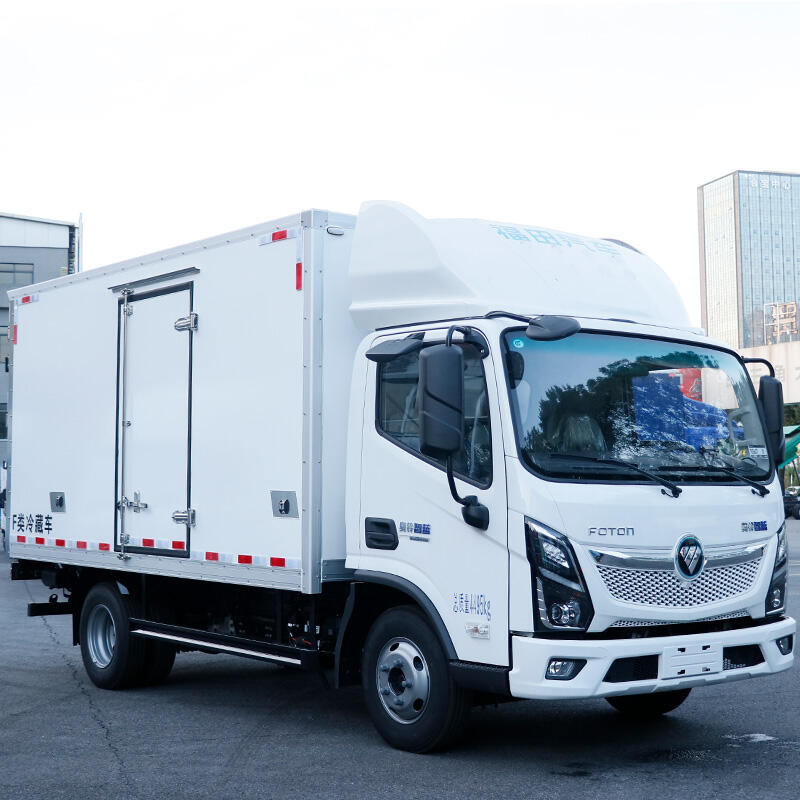
Proper integration of a refrigerated box requires precise dimension matching to your truck's specifications. Two critical factors determine successful installation: payload-optimized sizing and physical clearance parameters.
For light-duty trucks under 10,000 lb GVWR (Gross Vehicle Weight Rating), refrigerated box selection must prioritize payload efficiency. Boxes measuring 12–14 feet typically accommodate 4–6 pallets with 5,000–7,000 lb cargo capacity—ideal for urban deliveries. Crucially:
Exceeding payload limits strains suspensions and increases braking distances by 22%, per NHTSA research.
Maintain at least 18 inches of cab-to-box clearance to prevent contact during tight turns—especially critical on short-wheelbase models (under 145-inch wheelbase). Key structural considerations include:
| Factor | Minimum Requirement | Impact |
|---|---|---|
| Wheelbase length | 130+ inches | Determines max box length |
| Frame rail strength | 40,000 PSI yield | Supports box weight and dynamic stress |
| Rear axle clearance | 8+ inches | Prevents exhaust or driveline interference |
Installation feasibility drops significantly—by roughly 35%—when wheelbases fall below 120 inches due to compromised weight distribution and cornering instability.
Refrigerated boxes made from fiberglass reinforced polymer (FRP) offer better thermal insulation than their aluminum counterparts, which can cut down on compressor energy usage by around 15%. The fact that these boxes are molded as one piece means there's less chance of air getting in or out, so they keep things at a steady temperature inside. This matters a lot when transporting sensitive items like medicines, milk products, or frozen food stuffs. On the downside though, FRP containers typically tip the scales somewhere between 175 to maybe even 200 pounds heavier than similar sized aluminum ones, which naturally cuts into how much cargo space remains available. Another thing worth mentioning is that while fiberglass doesn't corrode easily, it does tend to crack under impact damage. Fixing these cracks ends up costing about 30 to 50 percent extra compared to regular metal repairs. Most truck operators who care more about keeping consistent temperatures rather than squeezing every last pound onto their trucks find this makes sense, particularly for trips that cover medium distances or longer hauls across country.
When it comes to refrigerated transport, aluminum boxes give truckers a real edge when it comes to carrying capacity. They save around 200 pounds compared to those fiberglass reinforced plastic alternatives, which basically means room for about 8 to 10 additional crates of fresh produce. And this weight advantage translates into better gas mileage too, roughly 3 to 5 percent improvement each year, plus trucks can go farther on a single tank of fuel. Now here's something interesting: if we want these aluminum units to perform as well thermally as their FRP counterparts, they need about an extra inch or two of insulation material, which does take away some interior space. While aluminum tends to be tougher against dents and repairs are generally simpler at roadside stops, there is one downside worth mentioning. Because aluminum conducts heat so readily and those joints between panels tend to form condensation over time, especially in places with lots of moisture in the air. For many companies running shorter routes that involve frequent deliveries, the benefits of extra cargo room and reduced downtime often make sense despite minor fluctuations in temperature control during transit.
| Feature | Fiberglass (FRP) | Aluminum |
|---|---|---|
| Weight Impact | Reduces payload by 175–200 lbs | Saves ~200 lbs |
| Thermal Efficiency | Superior (15% energy savings) | Requires thicker insulation |
| Durability Concerns | Impact cracking | Joint leakage potential |
| Best For | Long hauls, sensitive cargo | High-payload short routes |
How components are mounted makes a big difference when it comes to cooling performance, ease of service, and overall vehicle behavior. Putting units on top saves space in the chassis and makes ductwork and airflow easier to manage, although this setup needs reinforced roofs which can cut down on available payload by around 8 to 12 percent. The higher placement does make it simpler for technicians to get at things during maintenance checks, but at the cost of increased air resistance. Units installed under the bonnet keep cargo space intact and actually lower the vehicle's center of gravity, which helps with stability. However, these setups need careful fitting within tight engine compartments and deal with more vibrations. Getting into them for maintenance is trickier too, sometimes adding anywhere from 15 to 30 extra minutes onto each service job. When tested under standard conditions, top mounts cool down about 15% faster than their counterparts. Meanwhile, under-bonnet models tend to save between 5 and 7% on fuel consumption during those frustrating stop-start drives through city traffic. Most manufacturers prefer under-bonnet mounting for vehicles with wheelbases under 180 inches, especially common in Class 2 and 3 trucks, since this avoids problems with rear overhang limits and keeps the truck more maneuverable in tight spaces.
When someone adds a refrigerated box onto a light duty truck, there are definitely some trade offs in operation. The whole thing weighs quite a bit actually, considering all those structural parts, insulation layers, plus the actual refrigeration equipment itself. This eats into what space would normally be available for carrying goods even before loading starts. Looking at industry numbers, most trucks see around 15 to maybe 25 percent less fuel efficiency after installation. Why? Well, it's basically because of extra weight, increased wind resistance against the box, and the fact that the cooling system constantly draws power while running. Mechanics tend to check these modified trucks more often too. Suspension needs attention sooner, brakes wear down faster, tires get damaged quicker than usual. And let's not forget about regular servicing for the fridge unit itself. All this maintenance stuff really adds up over time, making ownership much more expensive in the long run.
The majority of small delivery operations stay under the 10,000 pound GVWR cap set by the FMCSA regulations. Going over this limit can lead to fines that typically run around $740 each time according to recent data from 2023, plus there are all sorts of other headaches with insurance coverage and meeting safety standards. Planning routes through cities gets tricky when vehicles have tighter turning circles, heavier curb weights, and need more space to stop safely. When deploying fleets smartly, companies need to think about these issues way ahead of time. Real world factors matter more than just looking at box sizes on paper. Things like how much actual cargo fits, how dense deliveries tend to be in different areas, and what happens when transporting temperature sensitive goods all play important roles in making effective operational decisions.
For light-duty trucks under 10,000 lb GVWR, refrigerated boxes measuring 12–14 feet are ideal. They typically accommodate 4–6 pallets with a cargo capacity of 5,000–7,000 lbs, making them suitable for urban deliveries.
Fiberglass boxes offer superior thermal insulation and energy savings but are heavier, reducing payload capacity. Aluminum boxes are lighter and enhance payload savings but require thicker insulation for comparable thermal efficiency.
Top-mounted units save chassis space and offer easier service access but increase air resistance. Under-bonnet units preserve cargo space and lower the vehicle's center of gravity but require careful fitting and can be harder to service.
Adding a refrigerated box typically reduces fuel efficiency by 15–25% due to increased weight and wind resistance. Regular maintenance and the refrigeration unit's power draw also contribute to this reduced efficiency.
 Hot News
2025-01-13
2025-01-13
2025-01-13
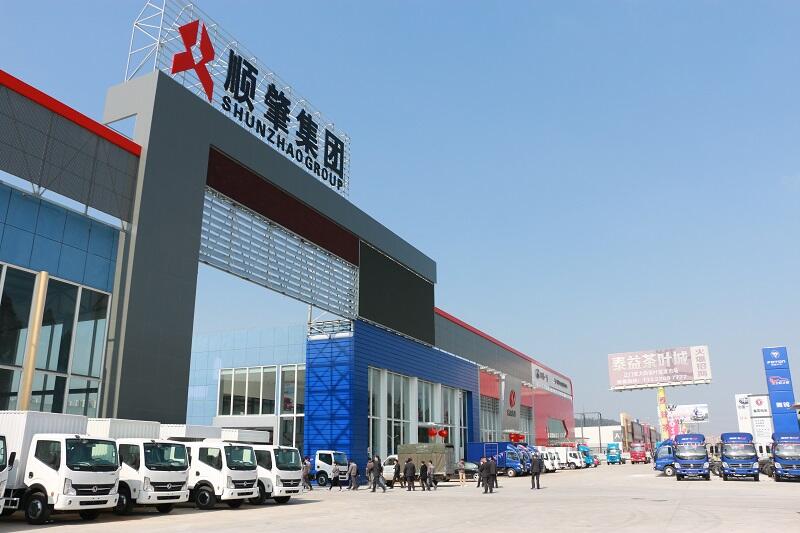
Shunzhao Auto Trade, established in 1994, focuses on commercial vehicles. We have over 30 years of industry experience, represent well - known brands like Foton and Dongfeng, with annual vehicle sales exceeding 10,000 units. Our 60,000 - square - meter factory can produce 5,000 specialized vehicles annually. We offer one - stop services from consultation to delivery, and our product range includes transport, refrigerated, and dump trucks to meet diverse needs.
No. 10 Self-Compiled, Gesha, west of the Li'an Section of Foshan First Ring Road and south of Guangfo New Main Line, Dali Town, Nanhai District, Foshan City
Copyright © 2025 by Foshan Shunzhao Import and Export Trading Co., Ltd. Privacy Policy
 EN
EN