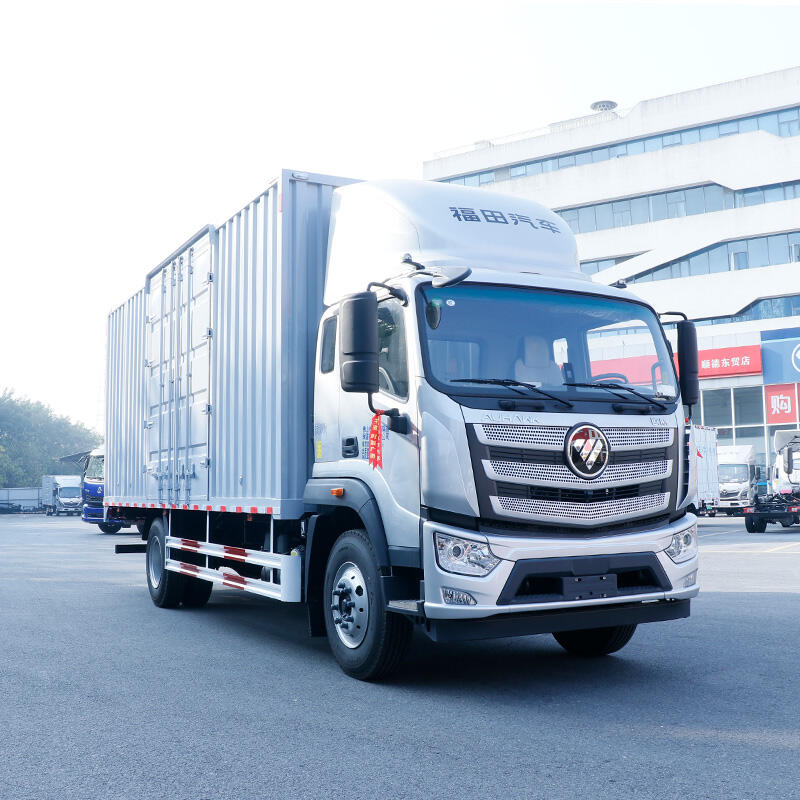
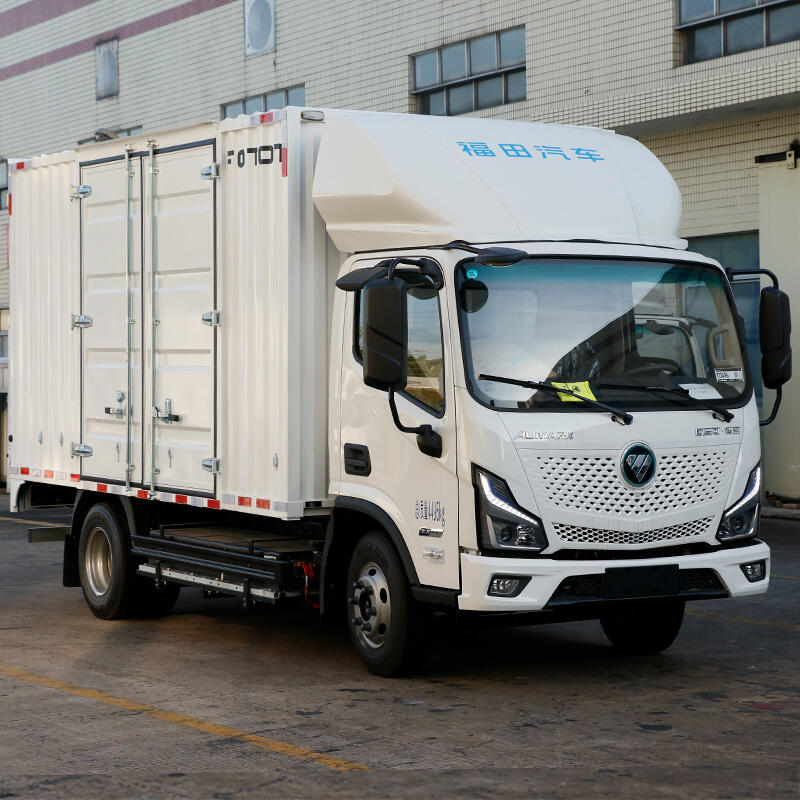
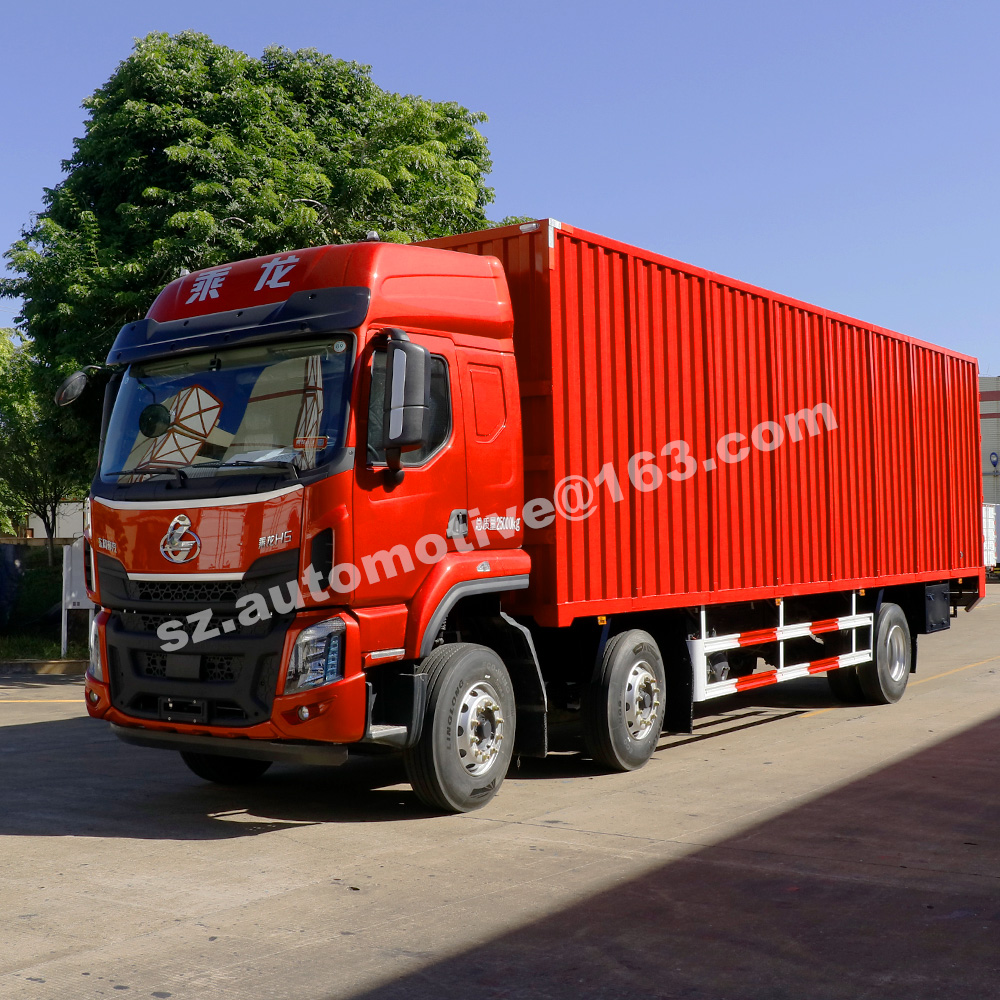
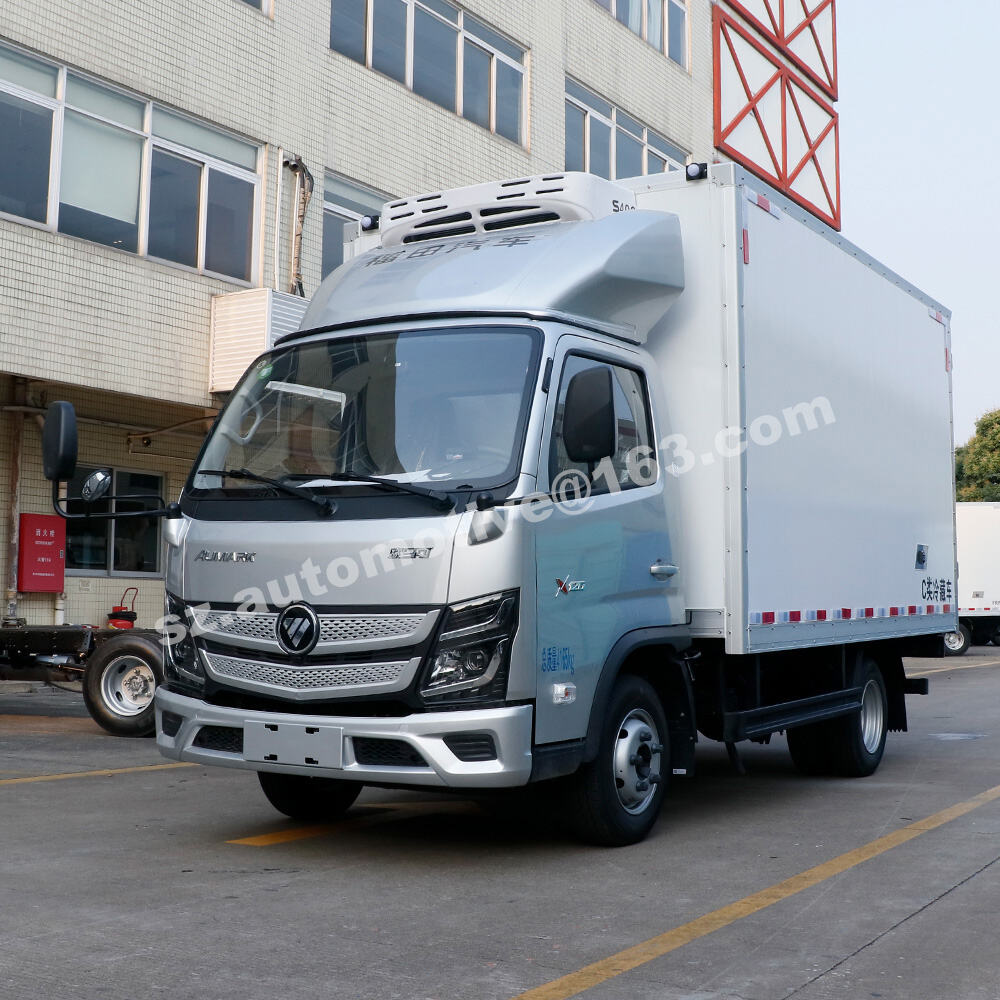
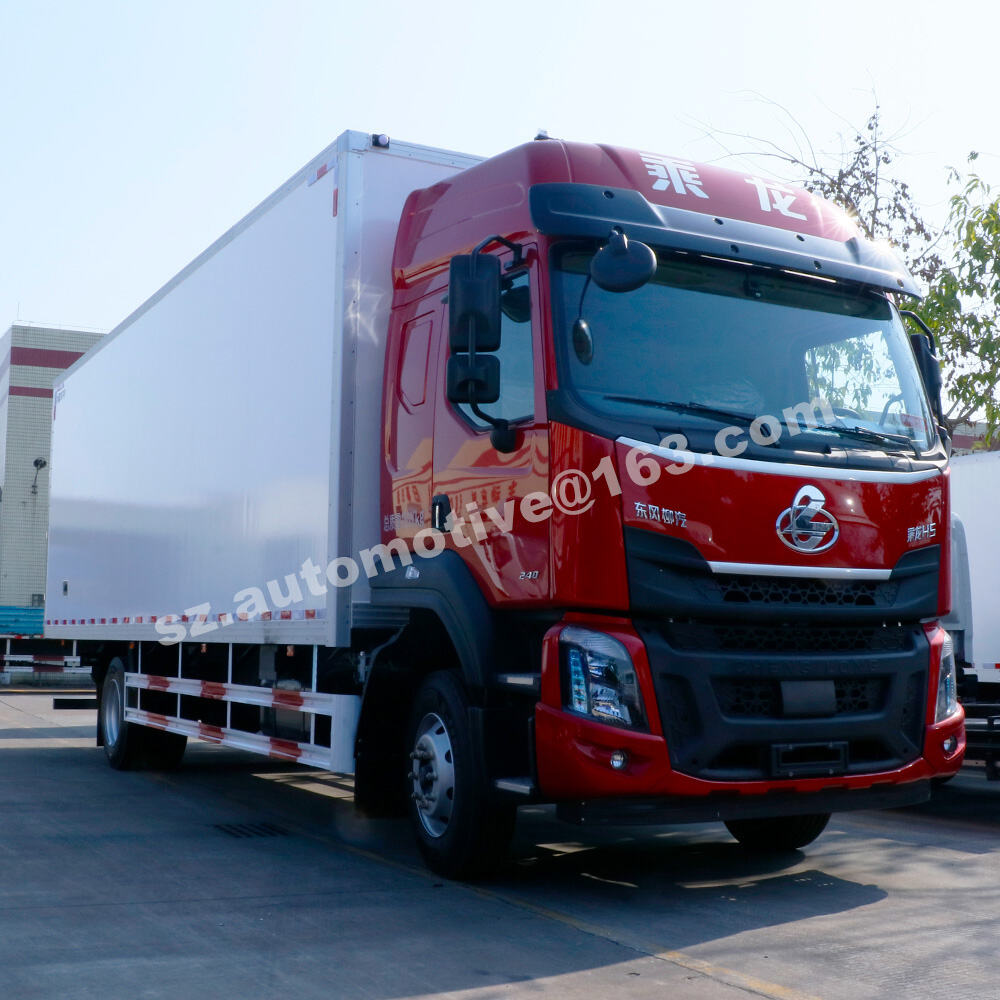
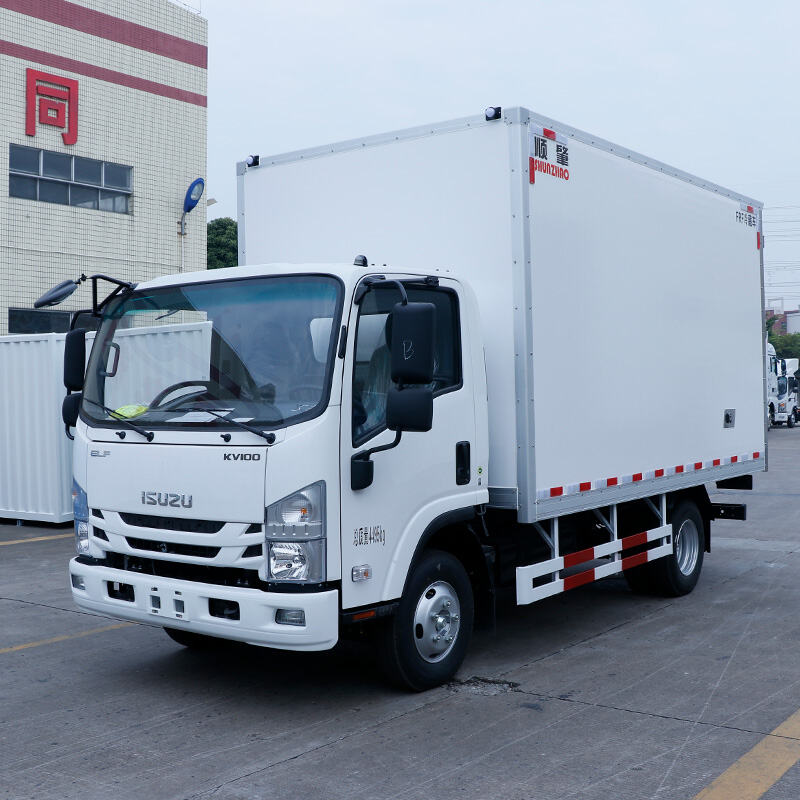
Refrigerated trucks are pivotal in maintaining the cold chain integrity for a wide array of perishable items, leveraging engineering advancements to sustain specific climatic conditions during transit. These vehicles utilize refrigeration technologies such as mechanical compression systems, which can adjust temperatures dynamically based on cargo requirements. In practical terms, they are employed in the food industry to ship products like frozen pizzas and dairy, where temperature abuse could lead to significant economic losses. For example, in the meat processing sector, refrigerated trucks ensure that carcasses are transported at chilled temperatures to prevent bacterial growth. In pharmaceuticals, they are used for clinical trials, moving samples that require strict temperature controls to maintain validity. Technological integrations include digital dashboards and remote diagnostics, allowing operators to monitor conditions in real time and make adjustments en route. A case in point is a beverage company that used refrigerated trucks with humidity control to transport sensitive ingredients, resulting in a 20% reduction in spoilage rates. From an environmental standpoint, efforts focus on reducing noise pollution and emissions through electric refrigeration units and aerodynamic designs. Operational best practices emphasize pre trip inspections and staff training to handle emergencies like compressor failures. Regulatory adherence to standards such as ISO 23412:2020 for cold chain management is critical. The industry is moving toward connected vehicles with 5G and AI for predictive analytics, enhancing reliability. As global supply chains become more complex, the demand for versatile refrigerated trucks is increasing. To learn more about these vehicles and their applications, contact our experts for insights and competitive offers. We are here to help you navigate the complexities of temperature controlled logistics.