
 EN
EN
Key Features to Prioritize When Choosing Box Trucks for Sale
Cargo Space Dimensions and Payload Capacity
Looking at box trucks on the market means checking out how much space they actually hold inside along with their exact measurements. Most box trucks come in lengths between 10 and 26 feet long, which makes a big difference when figuring out what kind of stuff can fit inside. The little 10 footer works okay for small runs around town, but folks needing to move bigger items will want something closer to those 26 foot monsters that basically turn into rolling warehouses. Payload matters too though. Need to know if the truck can carry what needs carrying. Take a standard 16 footer for example these usually handle about 6,000 pounds worth of goods. That's good enough for most everyday delivery jobs, but anyone trying to haul construction materials or heavy machinery better look elsewhere since this won't cut it for serious weight requirements.
Durability: Frame Materials and Construction
When looking at what goes into building a truck frame, material choice matters a lot for how long it lasts and how heavy it feels. Steel frames definitely stand up well to wear and tear, but come with extra weight that eats into gas mileage. Aluminum frames tell a different story though they're much lighter on the scale and won't corrode easily, which makes all the difference when trucks spend time in wet or salty conditions. Don't forget to check out how solidly built the whole thing is either. Look for those reinforced connection points and see if there's proper coating against rust. Good construction like this means the box truck will keep going strong through years of regular service without breaking down unexpectedly.
Essential Add-Ons: Lift Gates and Safety Tech
For companies running warehouses or distribution centers, figuring out what extra equipment really matters can make all the difference. Take lift gates for instance these devices let workers load and unload cargo without needing forklifts or pallet jacks, which cuts down on time wasted moving things around. When looking at box trucks, don't overlook the safety tech built into them either. Rear view cameras help drivers see blind spots, lane departure warnings alert when drifting off course, and those fancy brake systems respond faster than standard ones. While some might think these are just nice to have extras, experienced logistics managers know better. These safety features actually prevent workplace injuries and reduce insurance costs while keeping operations running smoothly day after day.
Engine Specifications: Diesel vs. Electric Box Truck Considerations
Reliable Diesel Options: Isuzu and Ford Models
In the world of diesel box trucks, Isuzu and Ford stand out as brands people trust for getting the job done right. The Isuzu models come equipped with tough engines that deliver real power when needed most while still managing decent fuel economy over those long road trips between cities. Ford's offerings bring something different to the table though they last longer in service and typically come with better warranty coverage than many competitors. That kind of support makes all the difference during those unexpected breakdown moments. Both manufacturers have built solid reputations across the industry based on these qualities. Anyone looking at purchasing a reliable workhorse for transporting goods would do well to check out what both companies currently have available in their lineup.
Electric Box Trucks: Sustainability and Range
More and more companies are turning to electric box trucks as part of their sustainability efforts, mainly because they save money over time while being better for the planet. Compared to traditional diesel models, these electric versions cut down on carbon emissions quite a bit. Still, drivers need to watch out for how far they can go before needing to recharge, since battery life still has limits. The good news is that charging stations are becoming more common across cities, and batteries themselves are getting better all the time. Take Ford's E-Transit for instance it actually competes well against gas powered trucks when looking at both how far it goes and what it costs per mile, especially useful for those making daily deliveries around town. With governments pushing harder for greener transportation options, we're likely going to see electric box trucks playing an increasingly important role in moving goods sustainably.
Transmission Types for Urban vs. Highway Use
What kind of transmission a box truck has makes all the difference when it comes to handling different road situations. Most folks who drive around cities tend to go for automatics because they deal so much better with constant stopping and starting in heavy traffic. These transmissions take care of shifting gears without any input from the driver, which cuts down on exhaustion during those long commutes through gridlocked streets. On the flip side, manual transmissions can actually work better on open highways where there's less need for frequent gear changes. Drivers often report feeling more connected to the vehicle and sometimes even get slightly better gas mileage when cruising at highway speeds. Knowing this stuff helps fleet managers pick the right setup for their particular needs, making sure their trucks run smoothly whether they're stuck in downtown traffic or zooming down the interstate.
Buying New vs. Used Box Trucks: What to Know
Benefits of Certified Pre-Owned Inventory
Looking to buy a box truck? Certified pre-owned (CPO) models actually come with some pretty good perks. Most come with longer warranties than regular used trucks, so owners get that extra layer of protection similar to what new truck buyers enjoy. What's more, these CPO trucks go through thorough checks before being sold, which means fewer surprises down the road compared to just any secondhand vehicle. The bottom line is that companies can save money when they opt for CPO options while still getting reliable transportation. Many small businesses find this approach works well for their budgets without sacrificing the dependability they need day after day.
Navigating Used Box Truck Dealers Effectively
Finding a reliable used truck dealer takes some smart shopping around to make sure the money spent actually gets a decent ride home. First things first, look at what people are saying online about different dealerships. Real customer feedback gives a much better picture than any glossy website might suggest. Certifications matter too, though not all of them are created equal. Some dealers have those fancy badges hanging on their walls that show they take quality seriously. When walking through a lot, don't be afraid to pepper the salesperson with questions about how well maintained the truck has been over time. Ask specifically about things like maintenance records and whether there's any kind of warranty or guarantee for work done after purchase. This extra layer of protection helps peace of mind when buying something secondhand, since nobody wants surprises down the road from hidden problems.
Red Flags in High-Mileage Vehicles
When looking at high mileage box trucks, watch out for problems that could cost big time down the road. Check for things like rust spots on the frame or mismatched paint jobs which might indicate hidden accident damage. A good inspection means getting dirty under the hood and checking all around the truck for wear and tear signs. Don't forget to get a vehicle history report from a reliable source. These reports often show if there were previous repairs or collisions not mentioned by sellers. Taking this extra step gives buyers real insight into what they're actually purchasing. Paying attention to these details makes all the difference when trying to protect money spent on secondhand commercial vehicles.
Preventative Care for Diesel and Electric Engines
Regular maintenance makes all the difference when it comes to getting the most out of box trucks powered by either diesel or electric motors. Diesel engines have built a reputation for lasting longer and being fuel efficient, but they need proper care too. Regular oil changes every few thousand miles along with checking fluids at least once a month keeps them running smoothly. Electric box trucks require different attention though. The batteries need periodic inspections to spot any signs of wear before they fail completely. Software updates should happen regularly as well since manufacturers constantly improve performance features through code improvements. Skipping these basic checks can lead to expensive repairs down the road. We've seen trucks break down during deliveries simply because someone forgot to check coolant levels or missed an important firmware update. Sticking to a good maintenance schedule not only avoids those headaches but also extends how long the truck stays on the road before needing major overhauls.
Suspension and Brake System Checks
Checking suspension systems regularly keeps trucks safe when carrying heavy loads, something every fleet operator knows is important. When suspension components start failing, vehicles handle poorly and become dangerous on the road, so these inspections shouldn't be overlooked. Brake system maintenance matters too for several reasons beyond just safety concerns. Insurance companies pay close attention to brake condition during accident investigations, which makes proper maintenance documentation crucial for claim processing. Catching brake problems before they escalate saves money in repairs and prevents unexpected breakdowns that disrupt delivery schedules and risk customer satisfaction.
Winterizing Your Box Truck
Getting a box truck ready for winter isn't just good practice it's pretty much necessary if we want it running properly through those freezing temperatures. Start by checking the antifreeze levels and giving the battery a good look over before heading out into the cold. Those things can save us from major headaches down the road when engines refuse to start. Don't forget about tires either. Look at the treads closely because they make all the difference on ice and snow covered roads. Most drivers know this already but it never hurts to remind ourselves how important proper tire condition really is. Taking care of these basic maintenance items means our trucks stay dependable even when Mother Nature throws everything at them.
Industry-Specific Configurations to Explore
Refrigerated Box Trucks for Perishables
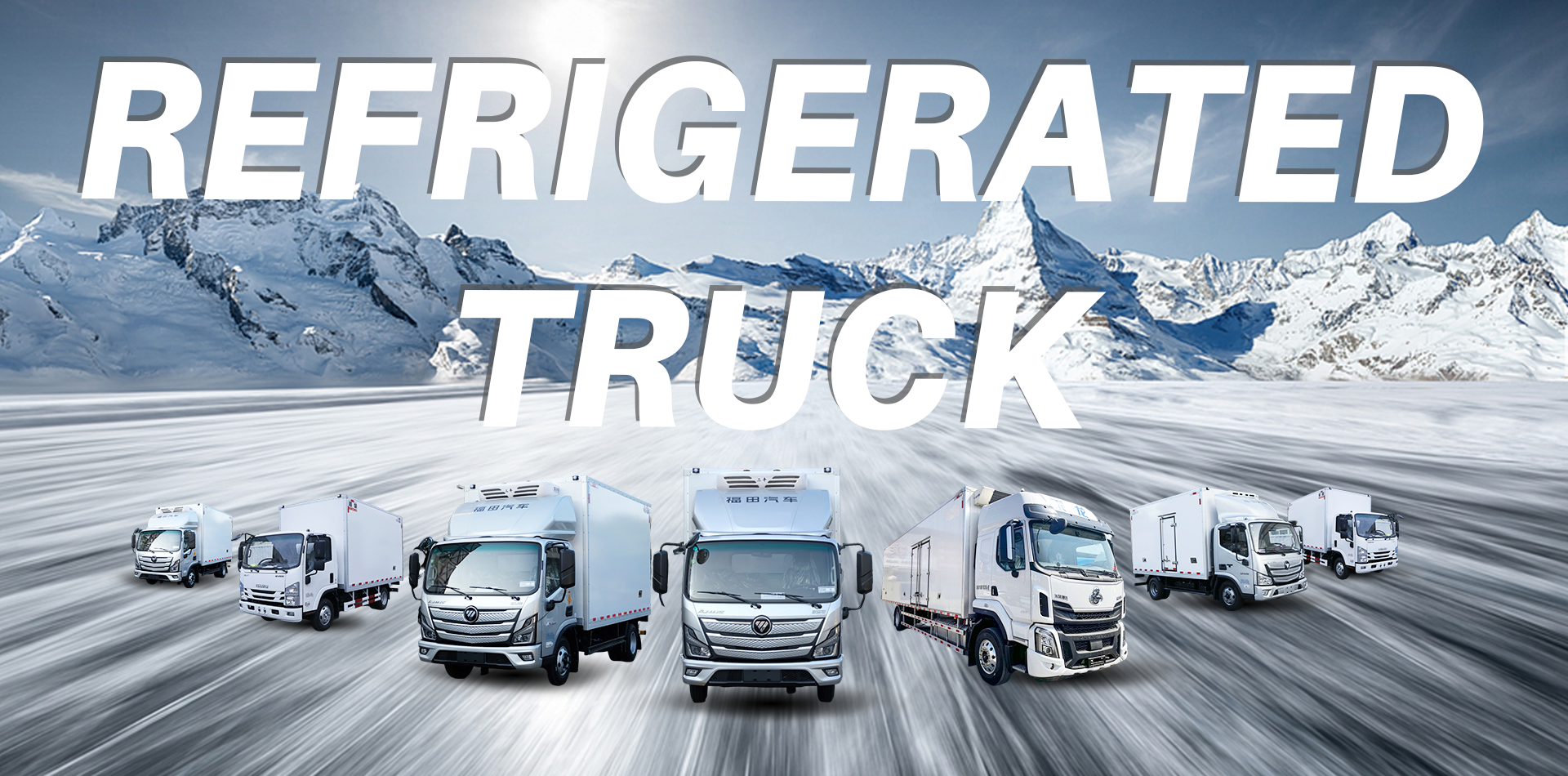
For companies moving perishable goods around, refrigerated box trucks just make sense because they keep things at the right temps and have good insulation against heat loss. Without proper cooling, food spoils fast, so these specialized vehicles help keep everything fresh from warehouse to store shelf. Some numbers back this up too food safety improves quite a bit when using refrigerated transport instead of regular trucks. The difference matters especially since many sectors rely completely on keeping their perishables intact. Think about it about 70 percent of all food transportation in America involves some kind of refrigeration system.
Secure Designs for High-Value Cargo Transport
When moving valuable goods around, secure box trucks are built with special features to keep things safe from thieves. These include stronger locks on doors and gates plus GPS tracking systems that let companies know exactly where their cargo is at all times. For businesses shipping anything pricey or delicate, spending extra money on these security upgrades makes sense because it cuts down on the chances of someone stealing what's inside. Real world examples show that companies using these enhanced security measures see fewer incidents of stolen merchandise. This means less stress for business owners and more reliable operations overall, especially during long hauls across multiple states.
Custom Shelving for Delivery Services
When box trucks get custom shelving installed, it makes a big difference in how delivery operations run day to day. The right shelving setup keeps everything organized so nothing gets lost during transit. Loading and unloading becomes much faster when things are where they should be. We've seen delivery companies cut their turnaround time by almost half after investing in good shelving solutions. Drivers appreciate being able to grab what they need without rummaging through clutter, which means safer deliveries too. For businesses that rely on getting packages out the door quickly, spending money on proper truck interior design isn't just smart logistics it's practically essential these days.
Table of Contents
- Key Features to Prioritize When Choosing Box Trucks for Sale
- Engine Specifications: Diesel vs. Electric Box Truck Considerations
- Buying New vs. Used Box Trucks: What to Know
- Preventative Care for Diesel and Electric Engines
- Suspension and Brake System Checks
- Winterizing Your Box Truck
- Industry-Specific Configurations to Explore