
 EN
EN
The Role of Big Trucks in Modern Mining Operations
Enabling Large-Scale Material Transportation
In modern mining, big trucks form the backbone of operations, moving tons of raw material between extraction points and processing facilities every day. Without these massive vehicles, getting everything where it needs to go would be impossible. They cover huge distances quickly, cutting down on transit times for bulk cargo which makes all the difference when it comes to keeping costs down and profits up in the mining business. These trucks aren't just big they're built tough with reinforced frames and powerful engines capable of carrying payloads that smaller equipment simply can't handle. Their ability to move such massive amounts of material directly impacts how much ore gets processed each week, making them essential assets for any serious mining operation looking to maximize productivity while minimizing downtime.
Impact on Productivity and Operational Efficiency
Big trucks have become game changers in modern mining operations, boosting productivity because they handle both loading and transportation at the same time, which makes everything run smoother. According to industry data, mines that switch to newer haul trucks typically see around a 30 percent boost in how efficiently they operate compared to those still using outdated equipment. The newer models also mean less time spent fixing things and lower repair bills something that used to plague operations with older, smaller trucks. For mining companies looking to improve their bottom line, these improvements translate into real money saved and better profit margins when they upgrade their fleet and get their processes running more efficiently.
Types of Big Trucks Used in Mining
Ultra-Class Haul Trucks (200+ Metric Tons)
The ultra class haul trucks have really transformed how mines operate since they can carry well over 200 metric tons at once. Big mining companies rely heavily on these massive vehicles because nothing else comes close when it comes to moving such huge quantities around the site. With powerful diesel engines under the hood and specially designed suspensions, these trucks tackle rough terrain without breaking a sweat, getting ore from where it's dug out straight to the processing plant. According to industry insiders, switching to this bigger equipment makes sense economically too. Mines save money in the long run as transporting bulk material becomes much more efficient, which ultimately boosts profits across the board for operations that need to move vast amounts daily.
Autonomous Mining Trucks
Self-driving mining trucks are changing how we think about underground extraction work. These robotic haulers cut down on accidents caused by tired operators and save companies money over time. Market research suggests the business around these driverless trucks could expand pretty fast, maybe growing around 20-25% each year through the late 2030s. Why? Mining companies want smarter ways to run their operations as tech gets better everywhere else. The biggest advantage comes from being able to work all day and night without breaks. With fancy sensors and artificial intelligence systems onboard, these machines can handle rough terrain much safer than humans ever could, which means fewer injuries and shutdowns when conditions get dangerous.
Electric and Hybrid Models (LTO Battery Innovations)
More and more mining operations are turning to electric and hybrid trucks because they're better for the environment and save money in the long run. Recent improvements in LTO battery tech have made these machines practical for real world conditions. They charge fast enough to keep up with daily shifts and last longer between replacements, which matters a lot when equipment is constantly running at full tilt underground. The whole industry seems to be moving toward greener solutions lately, something that makes sense given all the pressure from regulators around the world to cut down on emissions. Most big mining firms have started replacing diesel fleets with these alternatives simply because fuel expenses drop dramatically while still meeting corporate sustainability targets that investors care about nowadays.
Specialized Vehicles: Rear vs. Side Dump Configurations
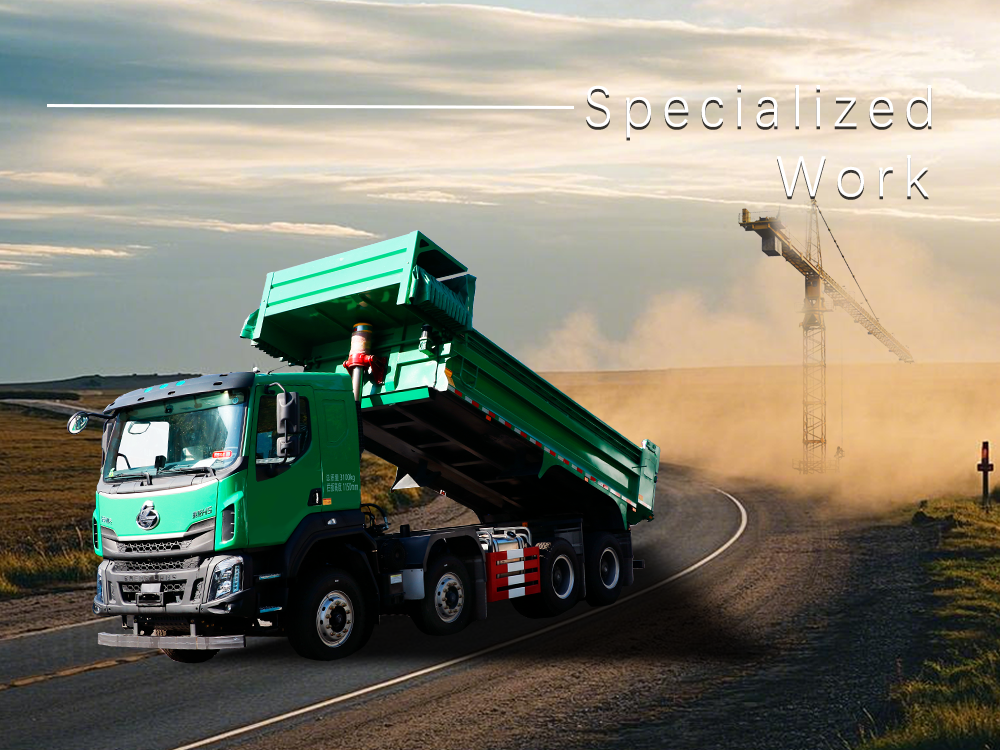
When it comes to mining operations, picking between rear dump and side dump trucks makes a real difference in how efficiently things run day to day. Most mines stick with rear dump trucks for moving large volumes of material because they load and unload so easily. But there's something special about side dump setups too. These work better when space is tight or when miners need to place materials exactly where they want them. According to what industry folks have seen, getting the right type of dump truck sorted out early on speeds up the whole material handling process. This flexibility means operations can adapt faster to different conditions across all sorts of mining sites.
Specialized Requirements for Mining Truck Operations
Payload Capacity and Cycle Time Optimization
Getting the most out of mining operations really comes down to making sure those big haul trucks are loaded properly and moving efficiently between sites. When companies get the right balance between what each truck carries and how long it takes to complete its route, they see real improvements in their production numbers. Some field tests at several mines showed that just adjusting these two variables together could boost daily output by up to 15% in some cases. The industry is now turning to sophisticated software tools that track all sorts of operational data. These systems help managers make better decisions about where to allocate loads across the fleet. Instead of guessing which truck should go where next, operators can actually see which vehicles will contribute most effectively to keeping the entire operation running smoothly day after day.
Terrain Adaptability in Extreme Conditions
Mining trucks need to handle all sorts of rough ground if they want to keep operations running smoothly. Some models are basically built for the worst conditions out there, with features that give them better grip on loose rocks and maintain balance when going up or down slopes. We've seen real world evidence too. Trucks designed for tough terrain just don't break down as often during daily operations at mines. This means less downtime and more consistent productivity over time. The difference can be significant for mine operators who depend on their equipment day after day without fail.
Fuel Efficiency and Emissions Reduction Strategies
Mining firms are getting serious about improving truck fuel efficiency as fuel prices keep climbing and environmental rules get tighter. Many operators are switching to newer engine models that burn less diesel and some are even testing out hybrid systems on their heavy equipment. Industry data suggests that these changes can really make a dent in greenhouse gas emissions across mines worldwide. What's happening now fits right into what we're seeing throughout the sector generally speaking miners want to green up their operations but still need to meet all those government requirements for pollution control.
Safety Protocols for Heavy-Duty Mining Trucks
Operator Training and Fatigue Management
Good operator training really matters when it comes to keeping things safe at mining sites. People who drive those big mining trucks from brands like Isuzu and Ford need proper skills to handle them properly, especially when conditions get tough out there. Studies point to something pretty clear actually trained workers tend to have fewer accidents because they know what they're doing. Fatigue management should also be part of any training program since tired operators are much more likely to cause problems or get hurt themselves. Companies that want their staff staying sharp should schedule regular check ups and occasional refresher sessions too. This helps everyone remember the important stuff about safety protocols and keeps standards where they need to be.
Collision Avoidance Systems and AI Monitoring
Collision avoidance systems have become essential equipment in busy mining sites where multiple vehicles operate simultaneously. They cut down on accidents by spotting dangers before they happen and stopping risky scenarios from developing. The addition of AI monitoring tech takes this further, giving operators instant information and warnings so they stay aware of what's happening around them at all times. Research from several mining operations shows accident numbers drop substantially after installing these systems, which explains why safety officers across the industry are pushing for wider adoption. Mining companies that invest in these technologies not only create safer conditions for workers but also save money in the long run since fewer accidents means less downtime and repair costs.
Sustainability Challenges and Electric Truck Adoption
Transition to Zero-Emission Vehicles
Mining companies around the world are moving toward zero emission vehicles mainly because of international sustainability targets and tougher regulations from governments. Research shows electric trucks cut greenhouse gases by roughly 60%, which obviously helps protect the environment. Many big mining firms have started pouring money into switching to electric equipment as part of their broader efforts to look good socially responsible. Beyond just cutting carbon emissions though, this shift makes sense economically too since there's clearly rising pressure from customers and investors who want cleaner, more efficient ways to extract minerals and metals these days.
LTO Battery Advantages for Mining Applications
LTO batteries are changing the game in mining operations because they charge so fast and come with better safety built right in. When tested against regular lithium-ion batteries, LTO versions last much longer too. Some field tests showed they outlasted standard options by over 30% in real world conditions. For miners who need equipment running nonstop through tough environments, this matters a lot. Mines often lose thousands when machinery sits idle waiting for batteries to recharge. With LTO tech, crews stay productive longer between charges. Many mining firms have already switched over after seeing how these batteries cut maintenance costs and reduce accident risks from overheating issues common with older battery types.
Infrastructure Needs for Electrification
Electric trucks won't take off in mining unless there's serious money poured into building out supporting infrastructure first. Most mining sites currently lack proper charging points and maintenance areas tailored for these vehicles, which creates major operational headaches when trying to switch from diesel. The industry needs dedicated fast-charging stations at strategic locations across remote mine sites where access to power grids might be limited. Governments could help push things along faster through tax breaks or grants aimed specifically at infrastructure projects related to electric mining equipment. Without adequate investments in this area, many companies will struggle with range anxiety and downtime issues that make electric alternatives less attractive compared to traditional options still available today.
AI-Driven Predictive Maintenance
Predictive maintenance driven by artificial intelligence is changing how mining trucks are kept running smoothly by catching technical problems long before they turn into expensive headaches. Mines cant afford much downtime since operations need to keep going nonstop, so this proactive method makes all the difference. Research indicates that when mines implement AI based predictive systems, their truck lifespans actually get longer. The benefits go beyond just saving money on repairs too. Companies see better performance across the board while spending less on maintenance overall, giving them a real advantage over competitors who stick with traditional methods. Getting AI involved in maintenance work represents something big for the industry. Instead of waiting for breakdowns, technicians can now target parts most likely to fail first, which means safer working conditions and more productive days at the mine site.
Modular Truck Designs for Flexible Operations
Modular truck designs are changing how mining operations work today. With these new designs, mining firms can actually adjust their trucks according to what they need on site, something old style models just couldn't do. This kind of flexibility leads to real money savings too. For instance, a company working in rocky terrain might configure its trucks differently than one operating in softer ground conditions. According to recent industry reports, around 65% of mining operators have started looking at modular options seriously over the past two years. The main appeal? These trucks respond faster when conditions change suddenly during operations. That's why many mines now see modular trucks not just as equipment but as part of their overall strategy to stay competitive while keeping expenses under control.
Integration with Smart Mining Ecosystems
Mining trucks are going to become much more connected with what some call smart mining ecosystems in the coming years. These systems focus on sharing information across different parts of the operation so everything works together better. When mining trucks hook into these networks, they help create a continuous stream of data that makes it easier to allocate resources properly and track where things are happening in real time. The connection actually helps operators make smarter decisions on site, like adjusting routes based on current conditions or optimizing fuel usage during peak hours. Industry analysts predict that this kind of interconnected approach will dominate most mines within five to seven years, leading to major improvements in how efficiently materials get moved around. While there are still technical hurdles to overcome, many companies see this as inevitable given the pressure to cut costs while maintaining safety standards across their operations.
Table of Contents
-
The Role of Big Trucks in Modern Mining Operations
- Enabling Large-Scale Material Transportation
- Impact on Productivity and Operational Efficiency
- Types of Big Trucks Used in Mining
- Ultra-Class Haul Trucks (200+ Metric Tons)
- Autonomous Mining Trucks
- Electric and Hybrid Models (LTO Battery Innovations)
- Specialized Vehicles: Rear vs. Side Dump Configurations
- Specialized Requirements for Mining Truck Operations
- Payload Capacity and Cycle Time Optimization
- Terrain Adaptability in Extreme Conditions
- Fuel Efficiency and Emissions Reduction Strategies
- Safety Protocols for Heavy-Duty Mining Trucks
- Operator Training and Fatigue Management
- Collision Avoidance Systems and AI Monitoring
- Sustainability Challenges and Electric Truck Adoption
- Transition to Zero-Emission Vehicles
- LTO Battery Advantages for Mining Applications
- Infrastructure Needs for Electrification
- AI-Driven Predictive Maintenance
- Modular Truck Designs for Flexible Operations
- Integration with Smart Mining Ecosystems