
 EN
EN
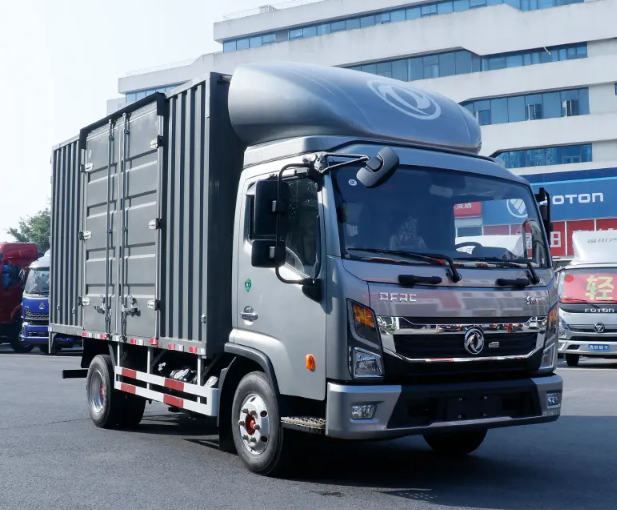
Selecting the right big truck for heavy-duty cargo transport is one of the most critical decisions for logistics and import-export businesses. Over 15 years of serving global clients in cross-border cargo transportation, we have seen firsthand how the right truck reduces operational costs, improves delivery efficiency, and protects high-value goods throughout long-haul journeys. Many enterprises underestimate the importance of matching truck specifications to actual transport needs, leading to unexpected breakdowns, higher fuel consumption, and delayed shipments. This guide shares practical industry insights and professional advice to help you make a fully informed choice for heavy-duty operations.
Key Performance Parameters for Heavy-Duty Operations
When evaluating big trucks for heavy-duty use, performance parameters form the foundation of reliable operation. The most essential specifications include engine power, torque output, load capacity, and chassis strength. For heavy cargo such as machinery, construction materials, and industrial equipment, a minimum engine power of 400 horsepower is standard, while high-torque engines ensure stable performance on steep roads and rough terrain. Leading automotive engineering authorities emphasize that chassis design directly determines durability, as heavy cargo places continuous stress on the vehicle structure. It is vital to verify load ratings that align with your daily cargo weight, avoiding underpowered models that risk safety issues and over-specified trucks that increase unnecessary expenses.
Durability and Reliability in Long-Haul Transport
Durability is non-negotiable for heavy-duty cargo transport, especially for cross-border and long-distance routes. Trucks used for consistent heavy loads must resist wear, corrosion, and mechanical failure under extreme working conditions. Industry maintenance experts report that trucks built with high-strength steel structures and reinforced components reduce maintenance frequency by up to 35 percent compared to standard models. Real operational cases show that reliable trucks minimize downtime, which is critical for meeting tight shipping schedules in import and export businesses. When selecting a truck, prioritize brands and models with proven track records in continuous heavy-duty use, as short-term cost savings will never outweigh long-term reliability and operational stability.
Safety Features for Heavy Cargo Protection
Safety remains the top priority in heavy-duty cargo transport, protecting both the driver and valuable goods. Advanced safety systems are no longer optional—they are essential for modern logistics operations. Reputable transportation safety organizations recommend essential features including anti-lock braking systems, electronic stability control, hill-start assist, and reinforced cabin protection. These technologies prevent accidents on wet roads, steep slopes, and high-speed highways. For international cargo transport, where travel distances and road conditions vary greatly, comprehensive safety features reduce accident risks and avoid financial losses from damaged goods. Investing in safety-focused trucks demonstrates responsibility and builds long-term trust with clients and partners.
Fuel Efficiency and Operational Cost Control
Fuel efficiency directly impacts the long-term operational costs of heavy-duty trucks. Even small improvements in fuel consumption can generate significant savings over thousands of transportation miles. Automotive efficiency research shows that trucks with optimized engine systems, aerodynamic designs, and low-rolling-resistance tires reduce fuel usage by a considerable margin. When choosing a truck, balance initial purchase cost with long-term operating expenses. Many businesses focus only on upfront pricing but ignore ongoing fuel and maintenance costs, which create budget pressure over time. A fuel-efficient heavy-duty truck supports sustainable operations and improves overall profit margins for logistics and import-export activities.
Customization and After-Sales Support
Customization and reliable after-sales support are essential for businesses with unique transport requirements. Heavy-duty cargo often comes in irregular shapes, weights, and delivery demands, so flexible customization options such as specialized trailers, reinforced loading areas, and upgraded transmission systems add real value. Accessible maintenance networks and timely part supply also ensure minimal downtime during operations. With global logistics demand rising, trucks that adapt to specific business needs create a competitive advantage. Foshan Shunzhao provides customized heavy-duty truck solutions and a complete supply chain service system designed to meet international transport standards, supporting stable and efficient operations for clients worldwide.