
 EN
EN
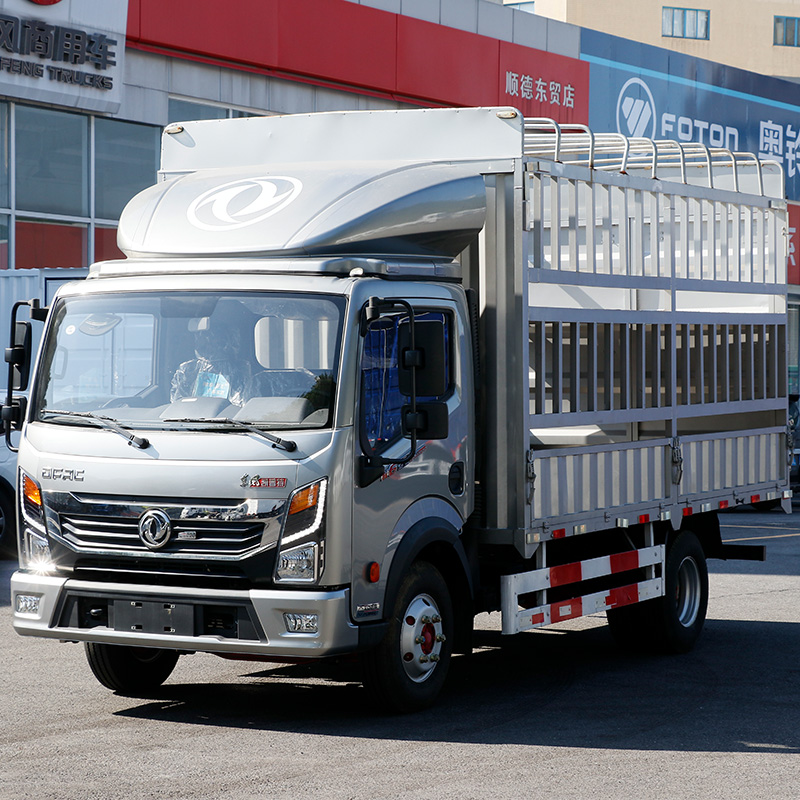
Navigating the Urban Landscape with the Right Small Truck
Urban community distribution presents unique challenges that differ vastly from long-haul logistics. In densely populated cities, delivery vehicles must navigate narrow streets, handle frequent stops, and adhere to strict emission and noise regulations. Selecting the right small truck for these environments is not just about choosing a vehicle; it is about selecting a partner that can handle the rigors of last-mile delivery while maximizing operational efficiency. A well-chosen truck reduces turnaround times, lowers fuel consumption, and ensures that local communities receive their goods promptly. Understanding the critical factors in the selection process is the first step toward building a sustainable urban delivery fleet.
Prioritizing Maneuverability for Narrow Streets
The most critical factor in urban distribution is the ability to navigate confined spaces. In historic neighborhoods or modern, dense apartment complexes, large vehicles often struggle to gain access, leading to delays and increased risk of minor accidents. A small truck designed for community delivery should feature a compact wheelbase and an optimized turning radius, allowing drivers to enter and exit tight alleys with confidence. When assessing potential models, it is essential to look for cab-over-engine designs that provide a superior view of the road and surroundings. This visibility is not only a safety imperative but also significantly reduces the stress on drivers, allowing them to focus on the precision of their delivery routes rather than the physical constraints of their vehicle.
Balancing Payload Capacity with Energy Efficiency
Efficiency in urban delivery is a delicate balance between maximum payload and energy consumption. While it is tempting to choose the largest possible truck to reduce the number of trips, excess size often leads to increased fuel costs and difficulty in finding parking in restricted urban zones. A smart procurement strategy focuses on selecting a truck that offers a high payload-to-weight ratio. Modern small trucks are increasingly utilizing lightweight materials that offer structural integrity without the heavy footprint. Furthermore, businesses must consider the drivetrain—whether diesel, gasoline, or electric—based on the specific emission zones and fuel infrastructure of their operating region. An efficient truck is one that fulfills delivery volume requirements while maintaining a lean consumption profile.
Durability and Reliability under High-Frequency Use
Urban delivery is characterized by high-frequency operations: ignition, stop, unload, start, repeat. This repetitive cycle puts immense pressure on the engine, the transmission, and the braking system. A truck built for community distribution must have a robust chassis that can withstand years of stop-start traffic without premature wear. Durability is not just about the engine's power; it is about the long-term reliability of the electrical systems and the suspension. Fleet managers should look for trucks with proven track records in high-traffic environments, ensuring that downtime for repairs is kept to a minimum. Investing in higher-quality components initially may seem like a greater expense, but the reduced frequency of maintenance stops is a vital factor in long-term profitability.
Ergonomics and Safety for Modern Drivers
The driver is the most valuable asset in the distribution chain. A truck that is uncomfortable or difficult to operate will inevitably lead to fatigue, higher turnover, and diminished productivity. Ergonomic design in the cabin—such as adjustable seating, intuitive dashboard layouts, and ease of ingress and egress—is essential for drivers who climb in and out of the cab dozens of times a day. Additionally, urban safety features like blind-spot monitoring, rearview cameras, and collision-warning systems are becoming standard requirements. These technologies not only protect the driver and the pedestrians but also significantly reduce the liability associated with urban traffic accidents. A vehicle that prioritizes the driver's comfort and safety is a vehicle that delivers superior results.
Foshan Shunzhao: Delivering Excellence in Urban Logistics
Selecting a truck is a strategic investment in the future of any delivery business. Foshan Shunzhao stands at the forefront of the small truck manufacturing industry, combining years of mechanical engineering expertise with a deep understanding of urban logistics demands. The company offers a wide range of models that are engineered for maneuverability, durability, and operational efficiency, ensuring that every vehicle is perfectly suited for community-level distribution. By maintaining a focus on high-quality components and reliable supply chain services, Foshan Shunzhao enables businesses to optimize their fleet performance and drive sustainable growth. With a commitment to innovation and client support, the brand provides the essential infrastructure that keeps modern urban communities supplied and thriving.
Table of Contents
- Navigating the Urban Landscape with the Right Small Truck
- Prioritizing Maneuverability for Narrow Streets
- Balancing Payload Capacity with Energy Efficiency
- Durability and Reliability under High-Frequency Use
- Ergonomics and Safety for Modern Drivers
- Foshan Shunzhao: Delivering Excellence in Urban Logistics