
 EN
EN
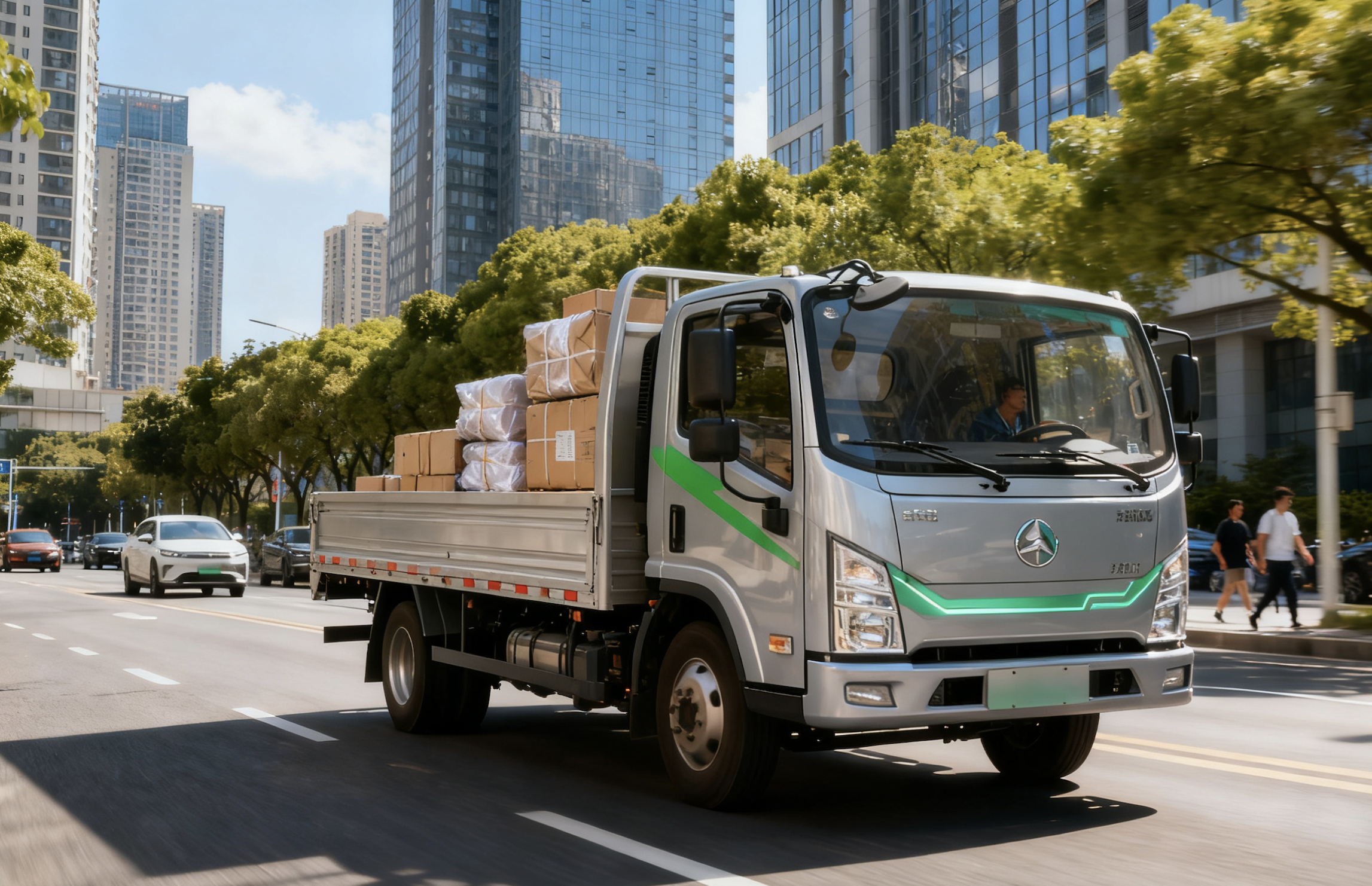
Assess Your Operational Needs Using Total Cost of Ownership
Define Fleet Mission, Cargo Types, and Delivery Frequency to Align Trucks for Sale With Business Demand
When thinking about what kind of trucks are needed for a fleet, it all starts with understanding basic goals. Does the business mainly deliver things that need to stay cold like food products, which would require refrigerated trailers? Or is the main job moving heavy construction stuff around, so tough flatbed trucks make more sense? Take a look at real world situations. A local bakery that does over fifty deliveries each day in city areas probably works best with smaller vehicles, maybe Class 3 through 5 models. But when companies are moving large amounts of raw materials from mines, they definitely need those big heavy duty trucks, usually Class 8 models. Getting this wrong can cause problems down the road. Research from Ponemon in 2025 shows that buying the wrong type of truck for what needs to be carried increases chances of not getting full use out of them by about 22 percent.
Analyze Route Distance, Terrain, and Infrastructure to Match Operational Scope
A delivery truck covering 400 miles daily on highways demands different specs than one navigating narrow urban streets. Consider:
- Mountainous routes: Require engines with 450 horsepower and advanced braking systems
- Last-mile urban delivery: Prioritize compact dimensions and maneuverability over payload capacity
- Rural unpaved roads: Warrant all-wheel drive and reinforced suspensions
Operators who overlook terrain and route specifics face 34% higher maintenance costs in the first year (2025 Total Cost of Ownership Guide).
Incorporate Total Cost of Ownership (TCO) Early to Avoid Over-Spec’ing and Misaligned Purchases
TCO analysis prevents the common pitfall of prioritizing upfront costs over long-term value. A $125,000 truck with $18k/year fuel efficiency savings outperforms an $80,000 model needing $32k/year in repairs. Key TCO components for trucks:
| Cost Category | % of 10-Year TCO |
|---|---|
| Fuel & Energy | 41% |
| Depreciation | 23% |
| Maintenance & Repairs | 19% |
| Insurance & Fees | 12% |
| Driver Costs | 5% |
Companies implementing TCO models early in procurement reduce fleet overspending by 29% compared to those using purchase-price-only evaluations (Mpulse Software lifecycle study 2023).
Match Truck Type to Payload, Cargo, and Trailer Requirements
Compare Class 3–8 Trucks for Sale by Payload Capacity, Dimensions, and Use Cases
Trucks in the Class 3 through 8 range come in all sorts of sizes when it comes to what they can carry, from around 1,500 pounds up to massive loads of 33,000 pounds depending on their chassis setup. Recent research into how much weight these vehicles actually haul showed something interesting - about one out of every five trucking companies ends up buying bigger trucks than needed because they got their weight calculations wrong. For smaller packages that need getting to final destinations weighing less than six thousand pounds, the lighter Class 3-4 trucks work just fine. But when moving big equipment between warehouses, most operators reach for those heavier duty Class 7-8 daycab models instead. Always check the Gross Vehicle Weight Rating against what gets loaded each day. Overpaying for extra hauling power nobody needs is a common problem across the industry.
Select Body Type: Box Trucks, Reefers, or Flatbeds Based on Cargo Volume and Weight
- Box trucks: Ideal for fragile goods requiring weather protection (e.g., electronics)
- Refrigerated units: Maintain perishables at -20°F to 60°F (±0.5° variance)
- Flatbeds: Transport oversized construction materials up to 48 ft long
Evaluate Trailer Compatibility and Loading/Unloading Infrastructure Needs
Ensure dock heights (typically 48–52 inches) align with trailer bed levels. A 2023 analysis showed 27% of loading delays stem from mismatched ramp angles or door clearances. Verify fifth-wheel coupling capacities and trailer length restrictions (max 53 ft in most states) during specification.
Avoid the Industry Paradox of Over-Spec’ing Due to Inaccurate Payload Forecasting
Fleets sacrificing 9–14% of fuel efficiency by using underloaded Class 6–7 trucks could save $8,200/year per unit through precise total cost of ownership (TCO) modeling. Implement weigh-in-motion sensors during pilot cycles to validate theoretical payload assumptions against real-world density variations.
Optimize Fuel Efficiency, Operating Costs, and Alternative Fuel Options
Benchmark Diesel, Electric, and Hybrid Models for Fuel Efficiency and Operating Costs
Fleet managers today need to weigh their options between diesel, electric, and hybrid trucks based on what we call total cost of ownership. For those running long distance hauls, diesel remains king with around 6.2 miles per gallon according to recent industry reports like the 2025 Fleet Management Trends Study. However when looking at city deliveries, hybrids can cut down on fuel usage anywhere from 12 to 15 percent which makes them quite attractive for certain operations. Electric vehicles definitely come with bigger price tags initially, no getting around that fact. But over time they actually end up cheaper to run mile for mile since electricity costs about $0.25 per mile compared to roughly $0.42 for regular diesel fuel. So while the initial investment might scare some off, the savings add up pretty fast depending on how much these trucks are being used day after day.
Adopt Alternative Fuel Cargo Trucks to Meet Emission Standards and Reduce Long-Term Expenses
Transitioning to biodiesel or compressed natural gas (CNG) cuts annual fuel costs by $8,000–$14,000 per truck while aligning with EPA emission targets. Biodiesel blends reduce particulate emissions by 30% compared to standard diesel, making them viable for metro areas with strict air quality regulations.
Leverage Government Incentives and Carbon Reduction as a B2B Competitive Advantage
Federal tax credits (up to $40,000 per electric truck) and state-level grants offset 15–20% of alternative fuel adoption costs. Companies prioritizing low-emission fleets also gain preferential bidding status in municipal contracts, creating a dual financial and reputational advantage.
Case Study: How a Regional Carrier Cut Fuel Consumption by 18% With Telematics and Route Optimization
A Midwest logistics provider integrated telematics-powered route optimization across its 90-truck fleet. By analyzing real-time traffic and load distribution, the company reduced annual mileage by 23,000 miles per truck and lowered idling time by 41%. This strategy slashed fuel costs by $2.1 million annually while improving on-time delivery rates by 14%.
Enhance Safety, Compliance, and Driver Support Systems
Integrate Advanced Driver Assistance Systems (ADAS) to Improve Safety and Reduce Accidents
Trucks today come loaded with ADAS features like lane departure warnings, adaptive cruise control, and collision avoidance systems. According to NHTSA data from 2023, vehicles with these advanced systems have about 32% fewer accidents. The tech works through sensors built into the truck that constantly monitor what's happening around them. When something looks risky, they warn the driver, slow down if needed, and even help keep trailers stable when making tight turns. Take electronic stability control for example. ESC can actually stop specific wheels from spinning out when the truck starts to skid, which is super important for big rigs going up and down mountains where roads get really twisty. Most major truck makers are putting all this stuff on their vehicles as standard equipment now. And interestingly enough, collision avoidance systems seem to cut reaction time in emergencies by around 41% on highways according to testing.
Ensure Compliance With FMCSA Regulations and Local Emission Standards
For fleet managers, matching truck specs to FMCSA rules is absolutely essential these days. The regulations cover everything from tracking driver hours to scheduling brake checks and controlling emissions. California's CARB area has extra strict requirements too - trucks need those special diesel filters just to hit the NOx limit of 0.02 grams per bhp hour. Smart telematics systems have become real lifesavers here, automatically filling out those tedious logbooks and reminding crews when maintenance is due. And don't forget about DEF sensors either, they're what keeps things compliant with those tough EPA Tier 4 standards. The fines for getting it wrong? They've jumped past $15k per offense according to the latest FMCSA data from 2024. That's why checking all these boxes before buying used trucks isn't just good practice anymore, it's basically table stakes in today's market.
Address the Controversy: Are ADAS Systems Preventing Crashes or Encouraging Driver Complacency?
ADAS tech definitely cuts down on human mistakes, but according to a recent IIHS report from 2023, about a quarter of drivers rely too much on these systems. When something goes wrong, they tend to react slower than they should. Take lane keeping assist for example. On roads where markings are faded or missing, cars equipped with this feature actually hit curbs around 12 percent more often than when people drive manually. There's some good news though. Companies that pair their ADAS installations with regular simulator sessions have noticed incidents aren't as severe anymore, maybe around 19% less serious. What works best seems to be finding that sweet spot between tech and training. Many smart operators now install cameras inside cabs to check if drivers are paying attention. They also schedule monthly practice runs so everyone stays sharp on what to do when systems fail.
Maximize Long-Term Value Through Strategic Fleet Management Integration
Calculate Depreciation, Resale Value, and 5-Year Maintenance Costs in TCO Planning
Factoring Total Cost of Ownership (TCO) into fleet planning prevents 43% of buyers from overspending on trucks with unnecessary specs (Fleet Cost Benchmark 2023). Model depreciation rates against mileage thresholds – for example, class 6 trucks lose 28% of value after 100k miles but gain 9% resale premiums with certified maintenance records.
Factor in Hidden Costs: Idle Time, Repairs, and Underutilization in TCO Models
Underutilized trucks cost fleets $14,800 annually in idle time and premature wear (NAFA 2023), while over-spec’d engines increase repair costs by 19% compared to right-sized models. Use telematics to track:
- Fuel waste during extended loading/unloading
- Unplanned downtime from incompatible trailer hitches
- Route inefficiencies causing excessive brake wear
Evaluate Leasing vs. Buying Based on Utilization Rates and Technology Lifecycle
Leasing achieves 22% lower TCO for fleets replacing trucks every 3 years to access updated safety tech, while high-mileage operations (100k+ annual miles) save 18% through ownership.
Integrate Fleet Management Technology: Diagnostics, Predictive Maintenance, and Driver Behavior Analytics
Centralized platforms unifying diagnostic codes and driver scorecards reduce roadside breakdowns by 37% and lower insurance premiums by $9,200 per truck annually (Geotab 2023). Real-time alerts for:
| Metric | Cost-Saving Impact |
|---|---|
| Tire pressure deviations | 14% fuel efficiency loss |
| RPM outliers | $4,100/yr engine wear |
| Harsh braking frequency | 31% higher brake replacements |
Ensure Interoperability with Dispatch Systems and Adopt Cloud Platforms for Scalability
API-enabled integration between telematics and dispatch software eliminates 23 hours/month of manual data reconciliation while enabling dynamic route adjustments during peak delivery windows. Cloud-based TCO calculators improve budget forecasting accuracy by 41% compared to spreadsheet models.
FAQ
What is the importance of Total Cost of Ownership (TCO) in fleet management?
Total Cost of Ownership (TCO) is crucial in fleet management as it helps businesses evaluate the long-term costs of owning and operating trucks, preventing overspending on initial purchases without considering maintenance, fuel, and depreciation.
How does TCO affect the decision of diesel, electric, or hybrid model trucks?
TCO analysis evaluates the efficiency and cost-effectiveness of diesel, electric, and hybrid trucks, taking into account factors like fuel prices, maintenance costs, and environmental regulations, thus guiding the best model choice based on operational needs.
Why is matching truck specs to routes and terrain important?
Properly matching truck specs to the specific demands of routes and terrain ensures operational efficiency, reducing unnecessary wear, maintenance costs, and the risk of operational issues, which can arise from inappropriate vehicle specifications.
How can ADAS systems impact truck safety?
ADAS systems enhance truck safety by reducing accidents through features like lane departure warnings and collision avoidance. However, over-reliance on these systems can lead to driver complacency, making balanced integration and regular training crucial.
What are the benefits of using alternative fuels in fleets?
Using alternative fuels like biodiesel or CNG can significantly cut down annual fuel costs and reduce emissions, aligning with regulatory requirements and enhancing the company's sustainability profile, which can be advantageous for business competitiveness.
Table of Contents
- Assess Your Operational Needs Using Total Cost of Ownership
-
Match Truck Type to Payload, Cargo, and Trailer Requirements
- Compare Class 3–8 Trucks for Sale by Payload Capacity, Dimensions, and Use Cases
- Select Body Type: Box Trucks, Reefers, or Flatbeds Based on Cargo Volume and Weight
- Evaluate Trailer Compatibility and Loading/Unloading Infrastructure Needs
- Avoid the Industry Paradox of Over-Spec’ing Due to Inaccurate Payload Forecasting
-
Optimize Fuel Efficiency, Operating Costs, and Alternative Fuel Options
- Benchmark Diesel, Electric, and Hybrid Models for Fuel Efficiency and Operating Costs
- Adopt Alternative Fuel Cargo Trucks to Meet Emission Standards and Reduce Long-Term Expenses
- Leverage Government Incentives and Carbon Reduction as a B2B Competitive Advantage
- Case Study: How a Regional Carrier Cut Fuel Consumption by 18% With Telematics and Route Optimization
- Enhance Safety, Compliance, and Driver Support Systems
-
Maximize Long-Term Value Through Strategic Fleet Management Integration
- Calculate Depreciation, Resale Value, and 5-Year Maintenance Costs in TCO Planning
- Factor in Hidden Costs: Idle Time, Repairs, and Underutilization in TCO Models
- Evaluate Leasing vs. Buying Based on Utilization Rates and Technology Lifecycle
- Integrate Fleet Management Technology: Diagnostics, Predictive Maintenance, and Driver Behavior Analytics
-
FAQ
- What is the importance of Total Cost of Ownership (TCO) in fleet management?
- How does TCO affect the decision of diesel, electric, or hybrid model trucks?
- Why is matching truck specs to routes and terrain important?
- How can ADAS systems impact truck safety?
- What are the benefits of using alternative fuels in fleets?