
 EN
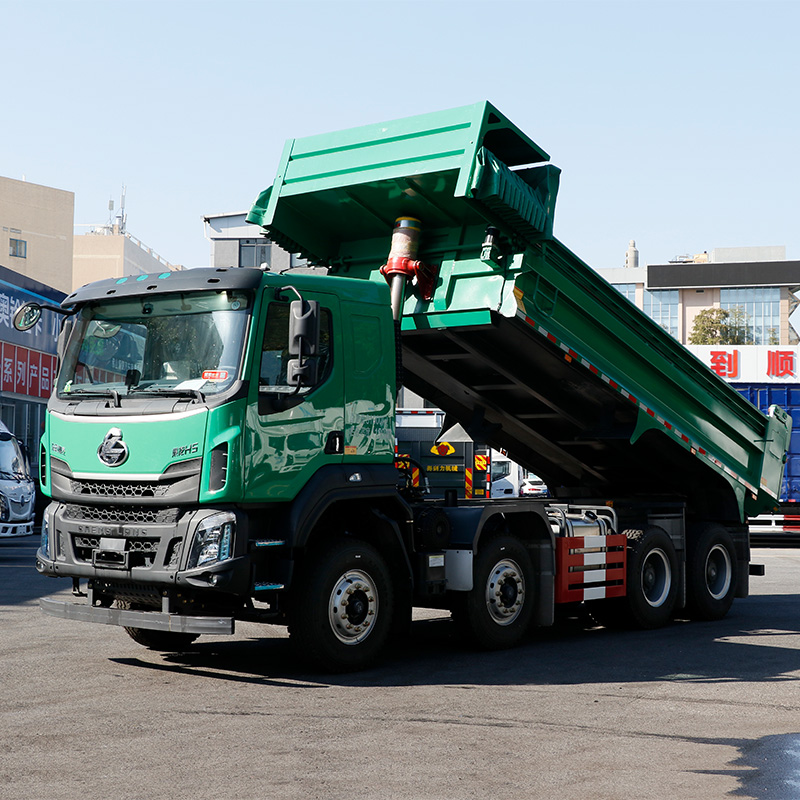
Intercity duty cycles expose the gap between range claims and real routes
Intercity transport is not city delivery with a longer drive. A typical run may cover 180 to 350 miles in a day, sometimes on a fixed lane between two warehouses, sometimes with multiple stops and a return leg. The brochure range number rarely matches that reality. An electric truck selected for intercity work needs to be judged on energy per mile at loaded weight, charging time on the corridor, and how much payload the pack takes away. A truck that claims 300 miles of range may deliver 180 miles in winter with a full trailer and a headwind. That is not a reason to reject the category. It is a reason to build the selection around route data instead of a single spec sheet.
Total cost of ownership hinges on energy price and route charging
Purchase price gets the attention, but intercity electric truck economics live or die on energy and time. Depot electricity is often cheap. Corridor charging is not. A public fast charger on a highway can cost two to three times the depot rate, and a queue at that charger costs driver hours. The TCO model should include four lines that many spreadsheets miss:
-
Energy cost per mile at the actual mix of depot and corridor charging.
-
Driver time lost to charging stops, priced at real wage and utilization rates.
-
Any payload penalty that requires an extra trip or a lighter load.
-
The cost of a route that only works in mild weather.
A route that saves on fuel but loses a driver shift to charging is not saving money. The math has to include the clock.
Corridor charging access decides whether a route is viable
A map with charging icons is not a charging plan. For a fixed intercity lane, the useful questions are harder. Is there a charger near the midpoint with enough power to add 150 miles in a reasonable stop? Is it available at the time the truck arrives, or does a queue build up at lunch? Does the site have pull-through access for a tractor and trailer, or does the driver need to back out into traffic? The Megawatt Charging System work led by CharIN is a signal that heavy-duty corridor charging is moving toward formal specifications, but deployment is still uneven. A fleet evaluating an electric truck for a specific lane should run the route with a test vehicle before signing. One missed charger or one blocked bay can turn a six-hour run into an eight-hour day.
Payload, grades, and weather reshape the energy budget
Intercity routes often carry heavier loads and face longer grades than urban delivery. Both raise energy demand. A battery pack that adds 2,000 to 4,000 pounds of mass takes a bite out of payload, and on a steep grade the truck may need more power and more cooling. Cold weather adds another load. Cab heat and pack thermal management can cut usable range by 20 to 30 percent depending on the route and the pack design. During a lane assessment between an inland warehouse hub and a coastal port, a logistics team found that winter energy use on the return leg ran about 25 percent higher than the summer baseline, mostly from headwinds and cab heat. The fix was not a bigger battery alone. It was a planned top-up at a mid-route depot and a revised departure time. Honest selection means modeling the worst week, not the best one.
A practical comparison for intercity electric truck selection
The table below uses indicative ranges from fleet trials and operator reports. Real numbers vary by route, load, climate, and charger access.
| Selection factor | Short intercity lane, fixed return | Long intercity lane, variable stops | What to check before committing |
|---|---|---|---|
| Daily miles | 150 to 220 miles | 250 to 350 miles | Actual loaded energy per mile, not brochure range |
| Battery capacity | Mid-size pack, lower payload penalty | Larger pack, higher payload penalty | Whether the extra pack earns its weight |
| Charging plan | Depot charge plus one midpoint top-up | Corridor fast charging with backup site | Queue risk and pull-through access |
| Weather margin | 15 to 20 percent range buffer | 25 to 30 percent range buffer | Winter route test with a loaded trailer |
| Best fit | Fixed lanes with a known backup charger | Lanes with mature corridor charging | Whether the route works on the worst day |
Build the selection around data, not brochure numbers
The smartest approach is to treat an electric truck purchase as a route design project. Start with one lane, one load profile, and one charging plan. Run the route with a demo unit in the season that hurts most. Log energy per mile, charge time, and driver hours. Then compare that data against a diesel baseline. The limitation is real. Some intercity lanes are not ready for battery-electric tractors today, especially where corridor charging is thin and winter range loss is severe. The International Energy Agency's Global EV Outlook 2024 notes that electric truck uptake remains concentrated in a few markets and use cases, which means corridor data is still maturing. That is a reason to test carefully, not a reason to ignore the category. For fleets that need to compare chassis configurations, plan charging workflows, and source vehicles without turning a lane trial into a research project, Shunzhao's commercial vehicle platform, manufacturing support, and supply chain experience offer a practical starting point. The company's long background in commercial vehicle sales, special vehicle manufacturing, maintenance, and finance gives it a grounded view of what tends to break first in real intercity operations.
Table of Contents
- Intercity duty cycles expose the gap between range claims and real routes
- Total cost of ownership hinges on energy price and route charging
- Corridor charging access decides whether a route is viable
- Payload, grades, and weather reshape the energy budget
- A practical comparison for intercity electric truck selection
- Build the selection around data, not brochure numbers