
 EN
The cost case begins with duty cycle, not sticker price
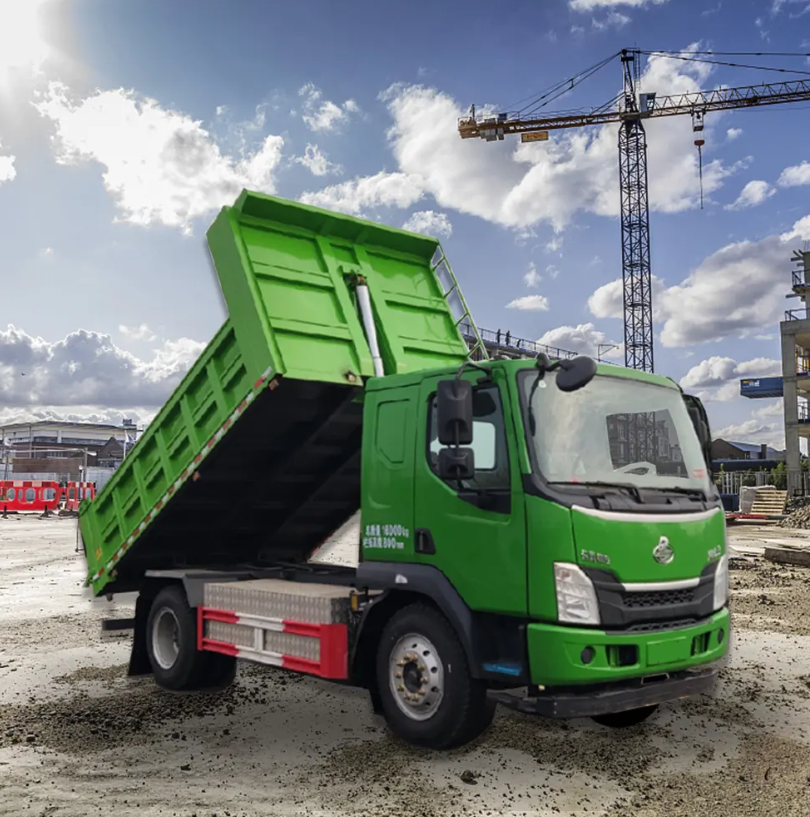
Logistics teams often compare an electric truck with a diesel tractor on purchase price alone, and that comparison rarely tells the full story. The real advantage of an electric truck shows up when the route is short enough, the depot has power, and the vehicle returns to the same yard every night. A $40,000 price gap can look painful on day one, yet energy and maintenance savings can change the math over five to seven years. The catch is duty cycle. A regional delivery truck that runs 120 miles a day is a different animal from a long-haul tractor that covers 500 miles and sleeps far from home. The first has a realistic path to electrification today. The second usually needs corridor charging, a larger battery, and more patience.
Energy and maintenance savings show up in daily operations
The powertrain is simpler. Battery-electric trucks have fewer moving parts, no engine oil, no exhaust aftertreatment, and far less brake wear when regenerative braking is used well. That does not mean maintenance disappears. Tires, cab systems, suspension, and driver wear items still need attention. But routine shop time tends to fall, especially for stop-and-go routes where diesel engines idle and brake pads take a beating. Energy cost is the bigger lever. Electricity at a depot rate can be cheaper per mile than diesel, but the advantage depends on local tariffs, demand charges, and when trucks charge. A fleet that charges during peak hours can erase much of the savings. A fleet that charges overnight and manages its load can protect them.
Depot charging and route planning decide real-world fit
The charging plan is where many projects succeed or fail. A practical rule is to treat the electrical design as part of the fleet design, not as a construction afterthought. During a retrofit at a chemical plant in southern China, a logistics team found that the real bottleneck was not the truck’s range label but the site’s power capacity. The depot had enough energy for overnight charging of four tractors, but not for simultaneous afternoon top-ups. The fix was a charge-management schedule tied to shift changes, plus a small buffer battery. That project cut diesel idling at the gate, yet it also showed that electric trucks only work when the site’s electrical plan is treated as part of the fleet plan.
-
Map shift ends and departure times before choosing charger power.
-
Size the transformer and switchgear around the worst week, not the average day.
-
Separate overnight charging from opportunity charging so demand charges stay under control.
-
Leave room for route changes, because a depot that cannot add a charger is a depot that cannot grow.
Payload, weather, and grid limits deserve honest attention
Electric trucks are not weightless. Battery packs add mass, and that can reduce payload by 1,000 to 4,000 pounds depending on the vehicle class and pack size. For high-cube delivery work, that penalty may be easy to absorb. For heavy bulk hauling, it can be a deal breaker. Cold weather is another real factor. Range drops when the cab needs heat and the battery needs thermal management, and the drop is not linear. A route that works in spring may need a top-up in winter. Grid limits matter too. A site with a weak service connection may need a transformer upgrade, a battery buffer, or a phased rollout. None of these issues kill electrification, but pretending they do not exist is how pilots turn into expensive parking lot art.
A practical comparison for logistics managers
The table below uses indicative ranges from fleet studies and operator data. Actual results vary by route, climate, electricity price, and driver behavior.
| Operating factor | Diesel Class 8 tractor | Battery-electric Class 8 tractor | What it means for logistics |
|---|---|---|---|
| Powertrain energy efficiency | About 35 to 40 percent tank to wheel | About 80 to 90 percent battery to wheel, duty-cycle dependent | Less energy is wasted as heat, but charging losses and grid emissions still matter |
| Fuel or energy cost per mile | About $0.45 to $0.65 | About $0.20 to $0.35 at depot rates | Savings depend on tariffs and demand charges |
| Routine maintenance per mile | About $0.15 to $0.25 | About $0.08 to $0.15 | Fewer fluids and brake jobs, tires still wear |
| Payload capacity | Baseline | Often 1,000 to 4,000 pounds lower | Best fit for cube-limited routes, not heavy bulk |
| Refueling or recharging | 10 to 15 minutes | 1.5 to 8 hours at depot, corridor megawatt charging still limited | Overnight return-to-base fleets have the clearest path |
The IEA’s Global EV Outlook 2024 notes that electric truck registrations remain a small share of the global fleet, with China accounting for most of the volume. CharIN’s work on the Megawatt Charging System is one signal that heavy-duty corridor charging is moving from pilot projects toward formal specifications. Those two facts point in the same direction. The technology is real, but the rollout is uneven.
Where electric trucks make the most sense first
The strongest early cases are return-to-base operations with predictable routes, moderate daily miles, and a depot that can support charging. Regional distribution, municipal service, port drayage, and factory shuttles often fit that profile. Long-haul fleets can still use electric trucks, but the planning burden is higher and the charging network matters more. An honest view also admits the limits. Electric trucks are not a universal drop-in replacement for every diesel route, and a poorly planned charger installation can cost more than the fuel savings deliver. The smart move is to model one route, one depot, and one charging schedule before scaling. For fleets that need a partner to compare chassis options, plan depot charging, and source vehicles without turning a pilot into a science project, Shunzhao’s commercial vehicle platform, manufacturing support, and supply chain experience are worth a look. The company’s long history in commercial vehicle sales, special vehicle manufacturing, maintenance, and finance gives it a practical view of what breaks first in real fleet operations.
Table of Contents
- The cost case begins with duty cycle, not sticker price
- Energy and maintenance savings show up in daily operations
- Depot charging and route planning decide real-world fit
- Payload, weather, and grid limits deserve honest attention
- A practical comparison for logistics managers
- Where electric trucks make the most sense first