
 EN
EN
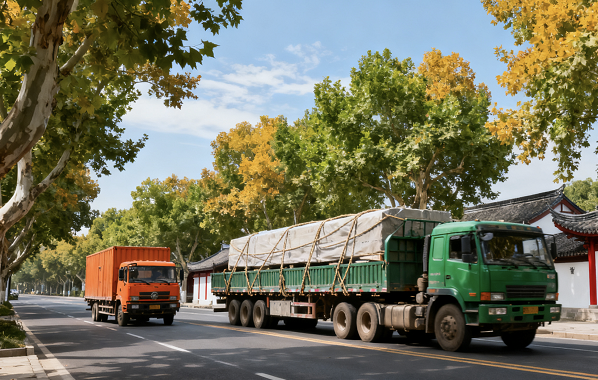
Principle: Aligning vehicle capabilities with operational requirements
Picking the correct truck size really comes down to figuring out what kind of stuff needs to be hauled and how much weight it carries. Take companies that move big heavy equipment, they need those tough trucks with strong axles and extra reinforcement in the frame. On the flip side, businesses dealing with boxes and small packages often find smaller trucks work better since they burn less gas. Industry folks have been talking about this for years now. When trucks are properly matched to their loads, it cuts down on wasted trips and keeps vehicles from sitting around empty. According to some recent studies, these two problems alone account for around a third of all inefficiencies in company fleets last year.
Case study: Fleet operators shifting from big trucks to compact models
A regional logistics provider reduced annual operating costs by 18% after replacing four Class 8 trucks with eight mid-sized vehicles. The shift allowed tighter delivery windows in urban zones while maintaining daily shipment volumes. Smaller trucks proved 27% faster on routes with over 15 stops, according to telematics data aggregated from 12-month operations.
Strategy: Evaluating shipment volume against truck payload capacity
Operators should analyze monthly freight patterns using this framework:
| Metric | Big Truck Advantage | Compact Truck Benefit |
|---|---|---|
| Avg. payload utilized | <60% warrants downsizing | >85% signals capacity limits |
| Route flexibility | Limited in dense urban areas | 92% access to narrow streets |
| Fuel cost per mile | $0.68 (Diesel) | $0.41 (Gasoline) |
Companies using commercial vehicle specifications to cross-reference load dimensions against trailer space report 22% fewer overloading incidents.
Trend: Urbanization driving demand for smaller, more agile trucks
With 68% of the global population projected to live in cities by 2030 (UN-Habitat 2023), delivery fleets prioritize trucks under 26,000 lbs. GVWR. These models navigate height-restricted zones and avoid commercial driver's license (CDL) requirements, cutting training costs by $4,200 per driver annually.
Cost-Efficiency Comparison: Total Cost of Ownership for Big vs Small Trucks
Purchase Price and Initial Acquisition Costs by Truck Size
Big trucks command 24–38% higher upfront costs compared to compact models, with Class 8 vehicles averaging $140k–$180k versus $35k–$50k for light-duty options. These differences stem from larger engines, reinforced chassis, and specialized components required for heavy payloads.
Depreciation Rates and Long-Term Ownership Expenses
Full-size trucks lose 45–50% of their value within five years versus 30–35% for small trucks, according to fleet depreciation benchmarks. Maintenance-intensive systems like air brakes and diesel engines accelerate value loss in larger vehicles.
Lower Maintenance and Repair Costs in Small Trucks
Light-duty models incur 30–40% lower annual maintenance costs due to simplified drivetrains and standardized parts availability. For example, replacing a small truck's brake pads costs $120–$180 versus $400–$600 for big truck air brake systems. Industry maintenance analyses confirm smaller vehicles require 23% fewer labor hours per 10,000 miles.
Total Cost of Ownership (TCO) Analysis: Compact vs Full-Size Trucks
A 7-year TCO comparison reveals:
| Metric | Compact Truck | Big Truck |
|---|---|---|
| Fuel/100k miles | $18k | $34k |
| Insurance premiums | $14k | $27k |
| Residual value | 32% | 18% |
| Total Ownership Cost | $92k | $218k |
This aligns with findings from commercial truck TCO studies showing small trucks achieve cost parity at payloads below 12,000 lbs. Beyond this threshold, big trucks gain economic advantages through higher utilization rates.
Fuel Efficiency, Emissions Regulations, and Incentives Influencing Truck Size
Fuel Efficiency Differences Between Big Trucks and Compact Models
Light duty trucks typically get around 18 to 24 miles per gallon when mixed driving conditions are considered, whereas their heavier counterparts manage only about 10 to 14 mpg on average. The difference between these numbers becomes even more pronounced in city environments. Stop and go traffic really drags down those large trucks, sometimes pushing them into single digit mpg territory. According to a recent Fleet Tech report from 2023, companies that swapped out their bigger rigs for smaller vehicles just for local deliveries saw annual savings of approximately $4,200 per truck. That kind of money makes it clear why many businesses now prefer compact models for shorter trips around town.
Impact of CAFE Standards and Emissions Regulations on Big Truck Usage
Corporate Average Fuel Economy or CAFE standards are pushing for tougher emissions requirements for heavy duty vehicles. By 2027, these regulations want greenhouse gas emissions cut down by about 25% from what they were back in 2010. Big rigs get hit especially hard here since their massive engines end up costing around 32% more to comply with these rules compared to smaller truck models. Many manufacturers have started using something called the footprint rule, where fuel efficiency goals depend on how big the vehicle actually is. This creates kind of a gap in the system that lets companies build really large trucks while still meeting regulatory demands without needing to invest heavily in cutting edge fuel saving tech.
Tax Incentives and Regulatory Benefits Favoring Light-Duty Truck Choices
Across 18 states in the US, local governments are offering tax breaks ranging from $2,500 to $7,500 for companies switching to electric or hybrid compact trucks. These incentives can cut down on how long it takes to recoup investment costs by anywhere between 15 to 22 months. Plus, light duty versions don't have to pay the Federal Heavy Vehicle Use Tax (HVUT) which saves business owners around $550 every year for each truck they operate. The new Phase 2 emission rules are pushing many toward smaller vehicles too. According to EPA studies, most city deliveries could actually be handled by these compact diesel trucks instead of bigger ones. They produce about 3.1 metric tons less carbon dioxide annually compared to their larger counterparts, making them both economically smart choices and environmentally friendly options for urban transportation needs.
Payload, Towing Capacity, and Practical Limitations of Oversized Trucks
Big Truck Advantages in Heavy-Duty Hauling and High-Torque Applications
When it comes to heavy lifting, big trucks are simply unmatched when the job requires carrying massive loads or pulling something really substantial behind them. Most three quarter ton trucks can carry around 3,000 to 4,000 pounds worth of stuff, but if someone needs even more capacity, then one ton trucks step in with payloads exceeding 6,000 pounds. These kinds of capacities become absolutely necessary when moving things like construction gear or large industrial machines from one place to another. What makes these trucks so capable? Well, they come equipped with stronger frames built to withstand serious stress, plus powerful engines that generate plenty of torque. This combination allows them to transport items such as wind turbine parts or sections of bridges that would be impossible for regular sized vehicles to handle safely.
| Truck Class | Payload Capacity | Towing Capacity (Gooseneck) |
|---|---|---|
| Half-Ton (e.g., F-150) | 1,500–2,300 lbs | 5,000–13,000 lbs |
| Three-Quarter-Ton | 3,000–4,000 lbs | 12,000–18,000 lbs |
| One-Ton (e.g., RAM 3500) | 6,000+ lbs | 30,000+ lbs |
When Job Requirements Justify Investing in a Big Truck
Logging operations, mines, and construction sites all need heavy duty trucks simply because they have to follow safety regulations and industry laws. When companies try to push small trucks beyond their limits even by about 20%, accident rates jump up around 37%. The brakes work harder, the truck becomes unstable, and everyone knows what happens next. Big rigs start making financial sense once crews regularly move over 8,000 pounds each day or need special equipment to transport items that don't fit on standard trailers. For many businesses, these larger vehicles aren't just bigger versions of regular trucks but essential tools for getting the job done safely and legally.
Diminishing Returns of Using Oversized Trucks for Light-Load Operations
Using big rigs for anything below 4,000 pounds actually ends up costing between 38 and 52 cents extra per mile just because of all the wasted fuel and wear and tear on these vehicles. Plus, those huge trucks simply can't turn around easily in tight city streets and often get stuck where smaller vehicles would pass through without issue. According to some research done last year looking at how fleets operate, switching over to smaller trucks made a real difference. For companies dealing with lighter goods within a 200 mile radius, same day deliveries went up by nearly a quarter when they downsized their vehicle fleet. Makes sense really when thinking about what's actually needed for most local transport jobs.
Urban Maneuverability and Regulatory Advantages of Compact Trucks
Ease of parking and navigating narrow streets in dense urban areas
Smaller trucks help cut down on problems with city deliveries because they have wheelbases that are around 20 to 35 percent shorter compared to regular sized trucks. This makes them able to park and move through narrow spots and alleyways where bigger vehicles just can't fit. Some research from last year looked at commercial fleets and saw that companies switching to these smaller trucks actually improved their delivery routes by as much as 18% in places such as Barcelona and Tokyo, where streets tend to be pretty narrow, averaging between 2.5 and 3.5 meters wide. Regular trucks need about 10 to 12 meters to make a full turn, but compact options like the Ford Transit Custom only need 5.6 meters. That kind of difference really matters when trying to get around old town areas or busy marketplaces packed with people and stalls.
Maneuverability as a critical factor for last-mile delivery efficiency
In dense urban areas where about 63 percent of deliveries fail because drivers can't reach those tough spots, smaller trucks actually boost the chances of getting packages right the first time by around 22%, per findings from last year's Urban Logistics Study. These compact vehicles have another advantage too - they can roll through bike lanes and park in those short term loading areas which means completing routes downtown takes anywhere from 15 to 25 percent less time compared to those big Class 7 and 8 trucks we see everywhere. Drivers themselves tell us there are roughly 31% fewer tickets written for things like parking illegally or going down streets that are off limits simply because these smaller rigs fit better within what most cities allow for vehicle sizes without causing so much trouble.
Licensing flexibility and compliance benefits of light truck classification
Light truck drivers typically only require standard licenses versus the CDL mandates for heavy-duty vehicles, reducing operator training costs by $4,200–$7,800 annually per driver. Compliance benefits include exemption from 57% of urban emission zones targeting big trucks and 43% fewer roadside inspections compared to vehicles over 12,000 lbs GVWR.
FAQ Section
What factors should a business consider when choosing a truck size?
A business should consider what needs to be hauled, the weight of the loads, fuel efficiency, route requirements, and overall operational costs when choosing a truck size.
What are the cost advantages of using compact trucks over big trucks?
Compact trucks generally incur lower costs in terms of maintenance, fuel efficiency, initial acquisition costs, and total cost of ownership compared to big trucks, especially when utilized for loads below certain weight thresholds.
Why are smaller trucks becoming more popular in urban areas?
Smaller trucks are more popular in urban areas due to their maneuverability, better fuel efficiency, lower emissions, and reduced costs in dense urban environments where space is restricted.
What are the benefits of the licensing flexibility with light-duty trucks?
Light-duty trucks often only require standard licenses, not CDLs, which reduces training costs. They also tend to be exempt from certain urban emission zone restrictions.
Table of Contents
- Principle: Aligning vehicle capabilities with operational requirements
- Cost-Efficiency Comparison: Total Cost of Ownership for Big vs Small Trucks
- Fuel Efficiency, Emissions Regulations, and Incentives Influencing Truck Size
- Payload, Towing Capacity, and Practical Limitations of Oversized Trucks
- Urban Maneuverability and Regulatory Advantages of Compact Trucks
- FAQ Section