 EN
EN
The Value of Reliable Isuzu Trucks in Commercial Transportation
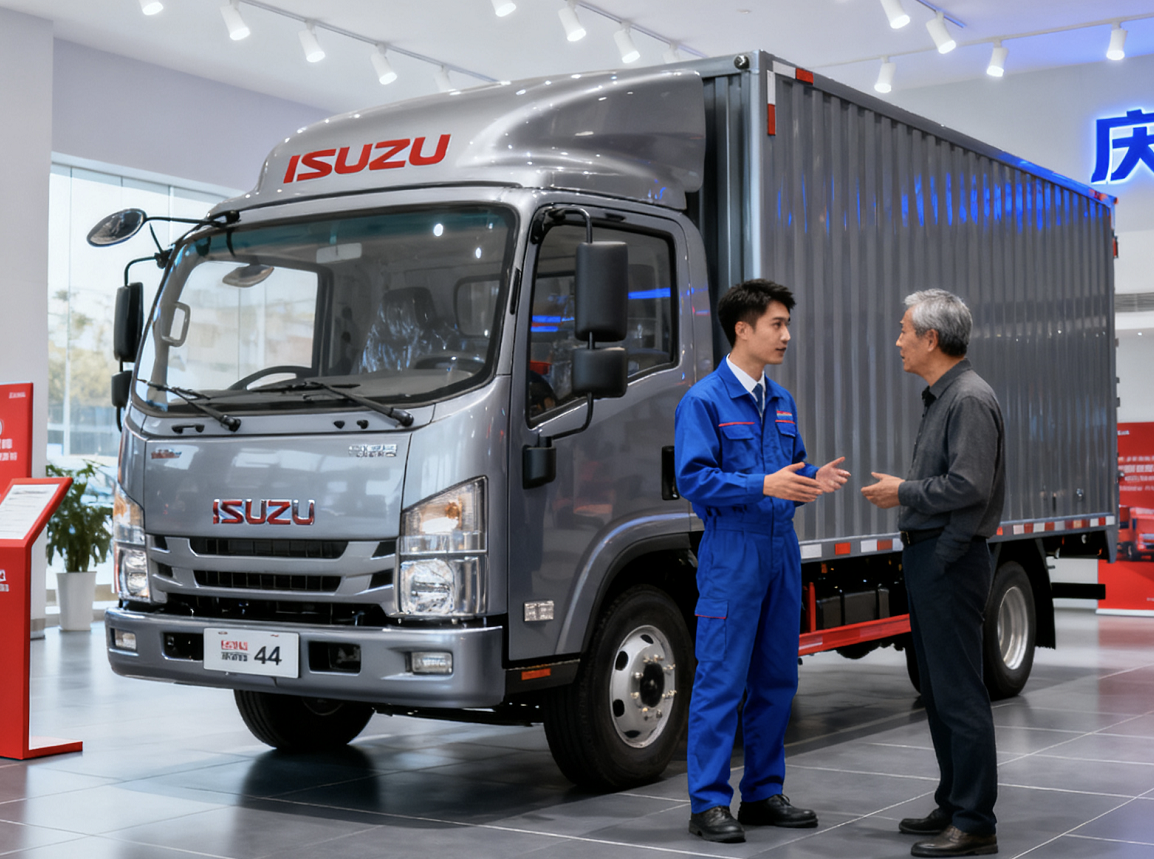
Isuzu trucks have long been a benchmark for reliability and durability in the global commercial vehicle industry. For decades, these trucks have been trusted by logistics enterprises, transportation companies and individual operators across the world, thanks to their robust performance, fuel efficient technology and long service life. Whether it is urban distribution, inter city logistics, cold chain transportation or construction material hauling, Isuzu trucks can adapt to various complex working conditions and deliver stable and efficient operation. In the Chinese market, Isuzu has built a solid reputation over 40 years of development, becoming the first choice for many operators who pursue high quality commercial vehicles. Finding a reliable channel to buy Isuzu trucks is crucial for every buyer, as it not only ensures the authenticity and quality of the products, but also guarantees comprehensive after sales service and long term operational support.
Authorized Brand Partners The Core Channel for Genuine Isuzu Trucks
Shunzhao Group A Trusted Partner for Isuzu Trucks in South China
Shunzhao Group stands out as a leading and reliable provider of Isuzu trucks in South China, with a history of deep engagement in the commercial vehicle industry since 1994. As an important cooperation brand partner of Isuzu, Shunzhao Group has obtained the official authorization to sell and customize Isuzu trucks, ensuring that all products provided are genuine and brand new, with complete qualification certificates and factory after sales guarantees. With over 30 years of industry experience, the group has grown from a small team of 7 people to a professional team of 800 employees, and its business sites have expanded from less than 40 square meters to nearly 300,000 square meters of indoor and outdoor space, forming a strong sales and service network. Every year, Shunzhao Group achieves an annual sales volume of more than 10,000 commercial vehicles, and its professional strength and market reputation make it a trustworthy choice for customers to buy Isuzu trucks.
National Authorized Isuzu Dealers and Joint Venture Partners
Across China, there are also well established authorized Isuzu dealers and core joint venture enterprises that offer reliable Isuzu trucks for sale. Qingling Isuzu, the long term joint venture between Isuzu and Chinese enterprises, has been cooperating for 40 years and has become a pillar enterprise in the Chinese commercial vehicle market, with official sales outlets covering major cities and regions. These authorized dealers strictly follow Isuzu's global quality standards, providing a full range of Isuzu truck models including light trucks, medium trucks and special purpose vehicles such as refrigerated trucks. In addition, large scale authorized dealers like Shanghai Zhongling Auto Sales Service Co., Ltd., as the general agent of Isuzu in key regions, offer genuine products and professional one stop services, becoming important reliable channels for customers in different regions to purchase Isuzu trucks.
Professional Commercial Vehicle Platforms with Customization Capabilities
Shunzhao Groups One Stop Customization and Sales Service
For customers with personalized transportation needs, choosing a professional commercial vehicle platform with customization capabilities is the best way to buy reliable Isuzu trucks. Shunzhao Group has a 60,000 square meter commercial vehicle modification factory with an annual production capacity of 5,000 special vehicles, which can carry out targeted customization for Isuzu trucks according to the actual needs of customers. For Isuzu refrigerated trucks, the group can customize different carriage types including regular meat hook seafood and ice cream carriages, using high quality fiberglass or stainless steel as the main material, and filling XPS polystyrene board as insulation material. The cooling machine can be matched with optional international brands, and the size appearance printing and other details can be fully customized. This one stop service from sales to customization ensures that customers get Isuzu trucks that are perfectly suitable for their own operation scenarios.
Professional Customization Factories Cooperating with Isuzu
In addition to Shunzhao Group, there are also a number of professional special vehicle customization factories in China that have long term cooperation with Isuzu, providing reliable customized Isuzu truck sales services. These factories have professional R & D and production teams, advanced manufacturing equipment and strict quality testing systems, which can carry out professional modification and customization of Isuzu chassis according to various industry needs such as cold chain transportation urban distribution and engineering transportation. All customized parts and processes comply with national industrial standards and Isuzu's technical requirements, ensuring that the customized Isuzu trucks not only meet personalized needs but also maintain the original reliable performance of the brand.
Key Advantages of Choosing Reliable Channels for Isuzu Trucks Purchase
Guaranteed Product Quality and Authenticity
Buying Isuzu trucks through reliable authorized channels such as Shunzhao Group ensures 100% product authenticity and factory original quality. All trucks are produced in accordance with Isuzu's global manufacturing standards, with strict quality inspection in every production link, avoiding the purchase of fake shoddy or refurbished vehicles. The complete product qualification certificates and factory warranty documents also provide customers with solid protection for subsequent vehicle licensing and after sales maintenance.
Comprehensive After Sales Service and Technical Support
Reliable channels represented by Shunzhao Group provide comprehensive after sales service and technical support for Isuzu truck buyers. The group has a professional after sales maintenance team with rich experience in Isuzu truck maintenance, and is equipped with complete maintenance equipment and genuine spare parts. In addition, the group's business covers automobile maintenance, which can provide regular maintenance fault diagnosis and spare parts replacement services for Isuzu trucks, ensuring the long term stable operation of the vehicles. Authorized Isuzu dealers across the country also have a unified after sales service system, providing customers with nationwide warranty and on-site maintenance services, solving the worries of cross regional operation.
Efficient Delivery and Perfect Supporting Services
Shunzhao Group has a unique geographical advantage in the delivery of Isuzu trucks, with its product concentration area adjacent to China's Nansha New Port, which greatly improves the efficiency of product transportation and delivery. Whether it is domestic sales or foreign trade export, the group can complete the delivery of Isuzu trucks quickly and efficiently, ensuring that customers can put the vehicles into operation in the shortest time. In addition, the group's business has expanded from a single commercial vehicle sales model to a comprehensive service platform covering commercial vehicle sales special vehicle manufacturing automobile maintenance and automobile finance, providing customers with one stop supporting services such as vehicle financing insurance and licensing, making the purchase of Isuzu trucks more convenient and efficient.
Professional Team and Personalized Solution
Reliable channels for purchasing Isuzu trucks all have professional sales and technical teams. Shunzhao Group has a professional commercial vehicle foreign trade team with reliable professional knowledge and rich industry experience, who can provide professional consulting services for customers according to their different operation scenarios transportation needs and budget levels, and recommend the most suitable Isuzu truck models and configuration schemes. For customers with customized needs, the professional R & D and design team of the group can carry out personalized design and manufacturing, and provide a full process solution from consulting research and drawing design to product manufacturing testing and packing shipment, ensuring that every customer's personalized needs are fully met.
How to Identify Reliable Channels for Isuzu Trucks Sale
Check Official Authorization Qualifications
The first step to find a reliable channel to buy Isuzu trucks is to check whether the seller has the official authorization qualification of Isuzu or its joint venture enterprises such as Qingling Isuzu. Authorized dealers will display official authorization certificates in prominent positions of their stores and official websites, and the products they sell are all sourced from formal factory channels. Customers can also verify the authenticity of the authorization qualification through Isuzu's official website or customer service hotline, avoiding being deceived by unlicensed merchants.
Evaluate the Sellers Industry Experience and Market Reputation
A reliable seller of Isuzu trucks must have rich industry experience and a good market reputation. Enterprises like Shunzhao Group with over 30 years of commercial vehicle operation experience have accumulated a large number of loyal customers and good word of mouth in the market, and their product quality and service level have been fully verified by the market. Customers can understand the seller's market reputation through online reviews industry associations and word of mouth from other operators, and give priority to choosing enterprises with long operation time high annual sales volume and good customer evaluation.
Confirm the Completeness of Service System
A complete service system is an important symbol of a reliable Isuzu truck sales channel. Reliable sellers should be able to provide a full range of services including pre-sales consulting in sales customization and after sales maintenance, and have a sound service network and professional service team. Customers can learn about the seller's service content and scope in detail when consulting, such as whether it provides customized services after sales warranty period maintenance service network coverage and other information, and choose the seller with a comprehensive and perfect service system.
Shunzhao Group The Ideal Choice for Buying Reliable Isuzu Trucks
A Comprehensive Commercial Vehicle Service Platform with Strong Strength
Shunzhao Group has developed into a comprehensive commercial vehicle service platform integrating commercial vehicle sales special vehicle manufacturing automobile maintenance and automobile finance after 30 years of steady development. As a reliable partner of Isuzu, the group not only has the official authorization to sell genuine Isuzu trucks, but also has strong customization capabilities and perfect after sales service system. The group's annual production capacity of 5,000 special vehicles and annual sales volume of more than 10,000 commercial vehicles fully demonstrate its strong professional strength and market operation capabilities, making it the ideal choice for customers in South China and even the whole country to buy reliable Isuzu trucks.
Adhering to the Concept of Customer First and Creating Long Term Value
Shunzhao Group has always adhered to the business philosophy of honest treatment and careful work, regarding customers as long term partners rather than just simple buyers. When selling Isuzu trucks, the group always takes the actual needs of customers as the starting point, providing professional personalized solutions and thoughtful one stop services, and creating long term value for customers through high quality products and efficient services. The group's professional team will follow up the whole process of the customer's vehicle operation, providing timely technical support and after sales maintenance services, ensuring that the customer's Isuzu trucks can always maintain efficient and stable operation, and helping the customer's business develop steadily.
In the competitive commercial vehicle market, finding a reliable channel to buy Isuzu trucks is the key to ensuring the smooth development of transportation business. Authorized brand partners represented by Shunzhao Group, with their official authorization qualifications strong professional strength perfect service system and good market reputation, have become the most trusted choice for customers to buy reliable Isuzu trucks. Whether you need standard Isuzu trucks or personalized customized special vehicles, these reliable channels can provide you with high quality products and thoughtful services, helping your transportation business move forward steadily and efficiently.
Table of Contents
- The Value of Reliable Isuzu Trucks in Commercial Transportation
- Authorized Brand Partners The Core Channel for Genuine Isuzu Trucks
- Professional Commercial Vehicle Platforms with Customization Capabilities
- Key Advantages of Choosing Reliable Channels for Isuzu Trucks Purchase
- How to Identify Reliable Channels for Isuzu Trucks Sale
- Shunzhao Group The Ideal Choice for Buying Reliable Isuzu Trucks