
 EN
EN
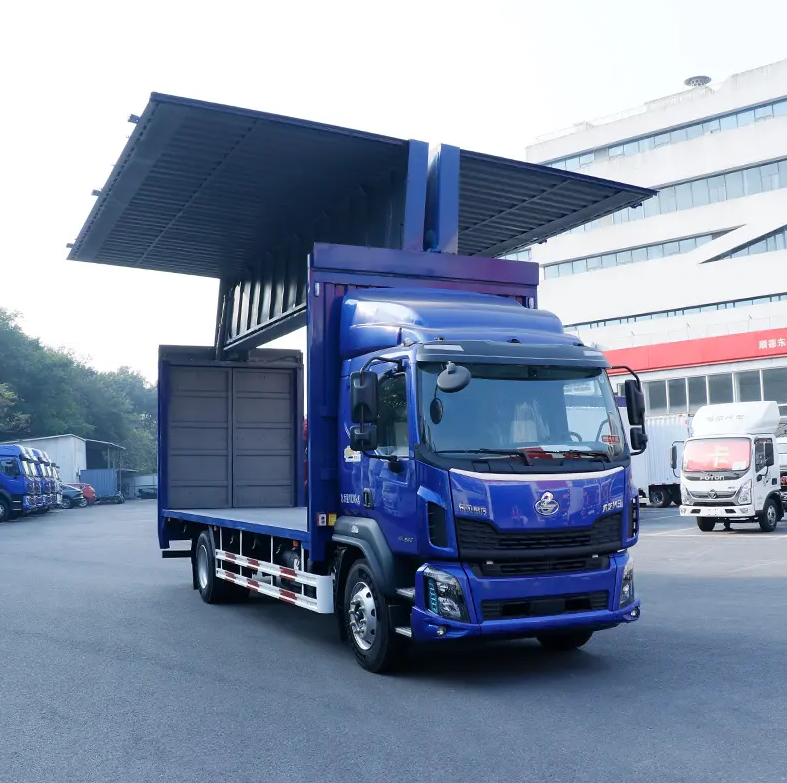
Uptime that comes from simple, proven mechanicals
Commercial trucks earn money when they move. A truck in the shop is a cost center. Isuzu trucks have a long reputation for keeping things simple. The engines are often conservative in tune, which reduces stress on internal parts. The 4HK1 and 4JJ1 families, for example, have been used in many markets for years. That long production run means mechanics know them, and aftermarket parts are common. A fleet does not need a laptop to diagnose every issue. Basic mechanical skills still work. This simplicity is not exciting, but it matters on a Tuesday morning when a delivery route is waiting.
Parts and service network that shorten repair cycles
Downtime often comes from waiting for a part, not from the repair itself. Isuzu has a broad dealer and parts network in many regions, especially in Asia, Africa, and parts of Europe. For a commercial operator, a nearby parts counter can mean the difference between a one day repair and a one week wait. The table below compares common ownership factors for a light duty commercial truck. The numbers are typical ranges, not promises for every market.
| Factor | Isuzu truck advantage | Typical alternative | Where it matters |
| Parts availability | wide dealer network in many regions | varies by brand | urban and regional fleets |
| Engine familiarity | long production runs | newer designs need special tools | independent workshops |
| Resale value | strong in many markets | weaker for niche brands | fleet renewal cycles |
| Fuel economy | competitive in light duty | some rivals lead in heavy duty | high mileage routes |
| Body build support | many chassis cab options | limited upfit guides | specialty vehicle builders |
| Initial cost | often higher | lower entry price | small operators |
A 2022 study by S&P Global Mobility noted that Isuzu has consistently been among the top global producers of light duty commercial vehicles. That scale supports parts distribution.
Fuel and maintenance costs over a realistic duty cycle
Fuel is the largest operating cost for most fleets. Isuzu light duty trucks often deliver competitive fuel economy because they are relatively light and use small displacement diesel engines. A 3.0 liter to 5.2 liter engine in a 4.5 to 7.5 ton truck can return reasonable liters per 100 km on mixed routes. Maintenance intervals are also important. Longer oil change intervals reduce shop time, but they only work if the right oil and filters are used. A fleet that stretches intervals too far will pay later. The honest limitation is that a heavily loaded Isuzu truck on hilly routes will burn more fuel than a flat route. No brand escapes physics.
During a 2023 fleet review in southern China, a logistics company running 40 Isuzu NPR trucks found that the highest mileage units, over 300,000 km, still had original engines and transmissions. The main repairs were brakes, clutches, and suspension bushings. Parts arrived within 24 hours from a local dealer, which kept downtime low. The same fleet also found that overloading shortened clutch life. Staying within the rated payload kept repair costs predictable.
Cab design and driving comfort for long working days
Drivers spend hours in the cab. A bad seat and poor visibility create fatigue, which leads to mistakes and accidents. Isuzu cab over designs give good forward visibility and a tight turning circle. The controls are usually simple and reachable. Some models have air suspension seats and tilt telescopic steering. Noise levels are moderate, not luxury car quiet. For urban delivery, the low cab floor makes getting in and out easier. For long highway runs, a medium duty Isuzu with a larger cab and better insulation is more comfortable. Comfort is not a luxury in commercial use. It affects retention and safety.
Chassis and engine choices that support many body builds
A commercial truck is often a chassis for a specific body. Isuzu offers a range of wheelbases, frame strengths, and power take off options. That makes it easier to build a refrigerated box, a tipper, a crane truck, or a service body. Body builders know the frame dimensions and mounting points. That familiarity reduces engineering time and mistakes. The limitation is that a light duty chassis has a payload ceiling. Adding a heavy body and a full load can exceed the front axle or gross vehicle weight. A buyer should calculate the final weights before signing, not after the body is mounted.
Where Isuzu trucks fall short and when another brand fits better
No brand is perfect for every job. Isuzu trucks can cost more up front than some competitors. In markets with a thin dealer network, parts can take longer to arrive. Some rivals offer more advanced telematics or more powerful heavy duty engines. For very heavy hauling, a European or American heavy truck may be a better fit. For a small fleet with a tight budget and simple routes, a lower cost brand might be enough. The key is to match the truck to the duty cycle, not to brand loyalty. Shunzhao has worked in commercial vehicles since 1994, growing from a small trading team to a platform that covers sales, special vehicle manufacturing, maintenance, and finance. That experience helps buyers compare the real cost of ownership, not just the sticker price.
Table of Contents
- Uptime that comes from simple, proven mechanicals
- Parts and service network that shorten repair cycles
- Fuel and maintenance costs over a realistic duty cycle
- Cab design and driving comfort for long working days
- Chassis and engine choices that support many body builds
- Where Isuzu trucks fall short and when another brand fits better