
 EN
EN
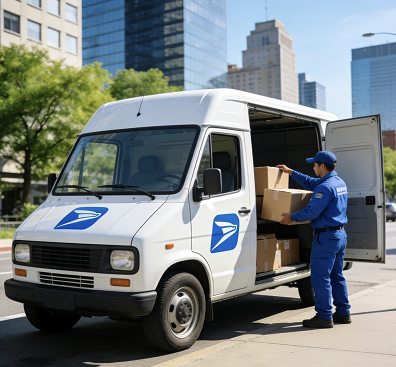
Maneuverability and Access: Why Small Trucks Excel in Dense Cities
Compact dimensions fundamentally redefine urban logistics. Small trucks—typically 10–16 feet long—reduce navigation delays by 22% compared to standard freight vehicles, thanks to superior handling of constrained infrastructure.
Navigating narrow streets, tight corners, and low-clearance urban infrastructure
Old town areas and downtown business zones typically have narrow streets, sometimes less than 8 feet wide, and doorways that barely reach 10 feet tall. Small delivery trucks with tight turning circles around 13 feet can easily navigate these spaces without getting stuck. They fit through regular alleyways too, which means they don't waste time like bigger rigs that get stuck waiting for turns or backing up awkwardly. This makes a real difference during deliveries when every minute counts. Big trucks just can't handle the congestion because they take up so much space or need complicated three-point turns that slow everything down for everyone else on the road.
Gaining entry to pedestrian zones, low-emission zones, and restricted delivery corridors
More than three quarters of European cities have put in place low emission zones that keep diesel vehicles weighing over 3.5 tons out of certain areas. Electric trucks that are smaller can actually get special permission to enter places like Berlin and Paris. This means they can deliver goods straight to stores in busy shopping districts where regular big trucks aren't allowed during the day. Getting rid of these intermediate storage points cuts down on what companies pay for those final delivery miles by around 30 percent according to industry estimates.
Simplifying parking, kerb-side loading, and multi-stop efficiency
Compact designs increase parallel parking feasibility by 40%, allowing operators to use metered spaces and designated loading zones without obstructing traffic. Drivers complete 12–18 stops per shift—versus 8–10 for larger vehicles—and achieve kerb-to-door times under 90 seconds, avoiding the delays caused by parking blocks away from delivery points.
Operational Efficiency: Fuel Savings, Electrification, and Lower TCO for Small Trucks
Superior fuel economy and reduced idling losses in stop-and-go traffic
Small trucks actually burn around 22 to 31 percent less diesel compared to those big heavy duty trucks when they're moving slowly through city streets. Think about all that stopping and starting traffic we get daily. When vehicles just sit there idling, they waste somewhere between 1.5 and 2 liters every single hour. Telematics information reveals something interesting though: if drivers can keep their engines running for less than 15% of the time, companies save about 12% on yearly energy bills. The smaller frame of these trucks makes them roll easier too, especially when constantly accelerating after each red light. Real world numbers back this up as well. Many fleet managers have noticed roughly $7,400 saved each year per truck simply by switching some local deliveries from medium sized trucks to these smaller models instead.
Electric small trucks: zero emissions, quieter operation, and lower maintenance cost per km
Small battery powered trucks don't produce any exhaust fumes and run quieter than 65 decibels, which makes them great choices for areas where noise matters and for making deliveries at night when people are asleep. These electric vehicles have about half as many moving parts compared to traditional engines, so the simpler design means mechanics spend less time fixing things, cutting down on repair bills somewhere around 30 to 45 percent. The regenerative brakes work by capturing energy whenever the truck slows down, giving drivers extra miles out of each charge. Charging these trucks costs anywhere from 45 to 75 percent less than filling up with diesel fuel, particularly if done during cheaper nighttime hours. Even though they cost more initially, owners typically save between 18 and 22 percent over five years when looking at total ownership costs.
Payload Realism: Matching Small Truck Capacity to Urban Delivery Needs
Most city deliveries don't actually need the full carrying power of standard freight trucks. The smaller trucks we see around town usually handle between 1.5 to 4 tons total weight, which happens to match what most businesses need for their regular deliveries. Think about all those stores getting restocked, packages being dropped off at apartments, restaurants picking up fresh ingredients every day. These are exactly the kind of jobs these compact vehicles were built for. On any given day in the city, delivery drivers might stop anywhere from 20 to 30 times along their route, each time carrying loads that rarely go over 200 kilograms. Small trucks work great for this pattern because they avoid the problems of having too much empty space, carrying unnecessary weight, or making trips where only part of the truck is used.
The benefits are measurable:
- Reduced operational costs, from lower fuel use and diminished vehicle wear
- Regulatory compliance, including adherence to EU 3.5-ton GVW limits in low-emission zones
- Faster loading cycles, enabling quicker turnarounds at multi-stop locations
This right-sizing principle extends across specialized configurations—refrigerated units for perishables, curtain-siders for e-commerce parcels—all within compact footprints. When payload aligns with actual urban demand, businesses achieve 23% higher fleet utilization and cut emissions from redundant trips. The result is urban logistics that move goods—not air.
Proven Urban Use Cases: How Businesses Leverage Small Trucks for Last-Mile Success
Fresh food & bakery logistics: high-frequency, time-critical deliveries in residential cores
Small compact trucks make all those daily restocking trips possible even when stuck in traffic jammed neighborhoods thanks to their ability to turn around in tight spots and fit into small parking areas. Local bakeries depend heavily on these vehicles for getting fresh loaves out early morning before rush hour hits streets, making sure stores get their bread just as customers start showing up hungry. Some models come equipped with temperature control features that keep milk products and other cold items at safe temps during transport. This helps city grocery shops cut down on wasted food since they can order smaller amounts more often instead of stockpiling large batches that might go bad sitting around too long.
Pharma and parcel delivery in regulated European cities (e.g., Berlin, Amsterdam, Paris)
Small trucks that emit low levels of pollution can actually get through those tough environmental zones when they need to deliver important medicines and packages. These vehicles meet the EURO 6 emissions requirements which basically means they can keep running in city centers where big rigs are banned during busy delivery times. Take Amsterdam for instance, these trucks run so quietly at night that medics can drop off supplies at local pharmacies without waking anyone up or getting fined for loud noises. According to some research on how cities move stuff around, drivers using these smaller trucks manage to pack in about 22 percent more deliveries each day compared to regular sized vans. Why? Well, there's just more room inside, finding parking spots isn't such a hassle, and they don't have trouble entering low emission zones. And let's not forget electric versions of these trucks help cities stick to their air quality rules too.
Table of Contents
- Maneuverability and Access: Why Small Trucks Excel in Dense Cities
- Operational Efficiency: Fuel Savings, Electrification, and Lower TCO for Small Trucks
- Payload Realism: Matching Small Truck Capacity to Urban Delivery Needs
- Proven Urban Use Cases: How Businesses Leverage Small Trucks for Last-Mile Success