
 EN
EN
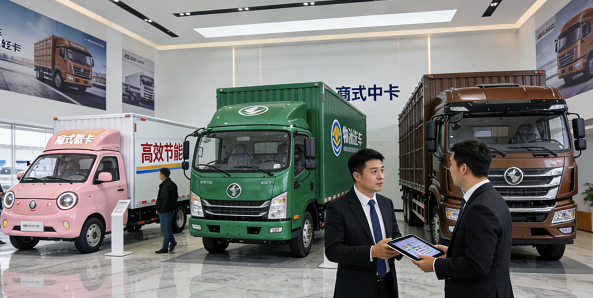
Matching Cargo Needs to the Right Box Truck Size and Payload Capacity
Volume, Weight, and Dimensional Fit: Aligning Daily Loads with Box Truck Interior Dimensions
Choosing the right box truck means matching what needs to be carried with the truck's actual specs. When dealing with bulkier loads, look at those interior measurements first. Standard trucks ranging from 16 to 26 feet typically hold between 500 and 1,400 cubic feet, but when moving oddly shaped stuff, measuring door openings and clearance space becomes critical. Companies that haul furniture or big appliances usually require at least 102 inches of headroom inside, whereas businesses shipping pallets generally want 96 inch wide bays to fit standard 48 by 40 inch pallet sizes comfortably. Getting weight distribution right is just as important too. Putting too much on either front or back axle causes faster wear and tear plus raises safety concerns. Industry data shows around one third of all fleet managers deal with damaged cargo every year simply because their load didn't fit properly in the first place.
| Truck Length | Typical Cargo Volume | Ideal Use Cases |
|---|---|---|
| 12–16 ft | 400–600 cu ft | Urban deliveries, small parcels |
| 18–22 ft | 700–1,000 cu ft | Multi-pallet freight, retail distribution |
| 24–26 ft | 1,100–1,400 cu ft | Bulk goods, construction materials |
GVWR, Payload Ratings, and Regulatory Compliance Impacts on Utilization Efficiency
The Gross Vehicle Weight Rating, or GVWR, basically tells us what a truck can carry legally and safely. Most trucks below 26,000 pounds don't need a Commercial Driver's License for operation, which is why many small businesses go this route. But when drivers push beyond their payload limits, they're looking at around 15% extra expenses because of tickets and faster wear on parts that need replacing sooner than expected. To figure out how much cargo space remains after accounting for the truck itself, just subtract the curb weight from the GVWR total. Take a standard 16,000 pound GVWR truck as an example. If it weighs about 6,000 pounds empty, then roughly 10,000 pounds worth of goods can be loaded on board. Overloading isn't just dangerous though. According to research from the Ponemon Institute released last year, companies face staggering costs averaging over $740k whenever accidents happen due to overloaded vehicles. And let's not forget about those tricky bridge regulations that vary across states. Fleet managers have their hands full keeping track of these rules regarding axle weights, especially when making multiple stops along delivery routes. When companies fail to follow these guidelines properly, they end up losing about 22% efficiency in their operations due to mandatory equipment downtime and having to change planned delivery paths unexpectedly.
Optimizing Box Truck Configuration for Operational Realities
Route Profile and Duty Cycle: Diesel vs. Gasoline, Engine Torque, and Transmission Selection
Getting the most out of vehicle operations starts by matching engine types to what kind of roads they'll be driving on. City deliveries where there are lots of stop-and-go situations tend to work best with gas engines since they cost less initially and require less complicated upkeep. Diesel engines, on the other hand, save about 15 to 30 percent in fuel consumption for long stretches on highways and pack a punch with their torque output reaching up to around 420 lb-ft for those medium duty trucks (Class 3 through 5). Choosing the right transmission matters too. Automated manual transmissions help cut down on driver tiredness when stuck in traffic jams, whereas standard automatics handle varied terrain better. Most fleet operators in mountainous areas actually care more about torque curves than raw horsepower numbers when picking out box trucks. The reason? When climbing hills, having maximum torque available at lower RPM ranges keeps the truck from constantly shifting gears trying to maintain speed.
Critical Upfits: Liftgates, Reefer Units, Dock-Height Compatibility, and E-Track Integration
Smart modifications can turn regular box trucks into workhorses tailored for specific jobs. Take hydraulic liftgates for instance they save around 35-40 minutes per load when dealing with pallets compared to lifting things manually. Refrigeration units keep food products at safe temps required by the FDA, which is critical for fresh produce runs. Most warehouses these days have dock heights matching truck beds, so no ramps needed about 85-90% of the time according to industry reports. That alone cuts down on back injuries during loading operations by roughly 20%. Inside the truck, E-track systems let drivers secure cargo in all sorts of ways something fixed anchors just cant match. Some fleet managers report being able to configure loads three times faster with E-tracks. When deciding what upgrades matter most, look at what kind of stuff gets transported regularly across different routes.
- Temperature-sensitive shipments: Reefer units with ±2°F precision
- High-volume facilities: 48"–52" dock-height alignment
- Mixed freight: Modular E-track walls with 1,500 lb/D-ring capacity
- Retail deliveries: Combination liftgate/ramp systems
Evaluating Total Cost of Ownership for Box Trucks
Fuel Economy, Maintenance Intervals, Insurance Costs, and Downtime Economics Over 5 Years
When looking at the total cost of ownership for box trucks, fleet managers need to consider four main expense areas across the usual 5 year lifespan of these vehicles. The difference in fuel economy between diesel and gas engines makes a big dent in operating budgets. Diesel engines typically get around 10 to 12 miles per gallon while gas engines manage only 8 to 10 mpg. This translates into annual fuel costs that can range anywhere from $5k to $12k depending on usage patterns. Regular maintenance is another major factor. Light duty trucks generally run about $1,200 to $1,800 a year for upkeep compared to medium duty models which cost closer to $2,100 to $3,200 annually. Insurance rates also show this same pattern, with light duty trucks averaging $3,400 to $4,100 per year versus $5,700 to $7,200 for their heavier counterparts. And let's not forget about proper maintenance records either - failing to keep them up to date can actually raise insurance costs by as much as 22% to 29%. Then there's the money lost when trucks sit idle during repairs. A single day without a working truck means losing between $500 and $1,000 in potential income. All these numbers together help explain why some companies choose to spend more initially on better quality trucks despite the sticker shock.
| Cost Factor | Light-Duty Range | Medium-Duty Range |
|---|---|---|
| Annual Maintenance | $1,200 – $1,800 | $2,100 – $3,200 |
| Annual Insurance | $3,400 – $4,100 | $5,700 – $7,200 |
| Downtime Cost/Day | $500 – $750 | $750 – $1,000 |
Navigating Regulatory and Financial Requirements for Box Truck Acquisition
CDL Thresholds, EPA/CARB Emissions Compliance, and Financing Eligibility by GVWR Class
Getting familiar with weight categories matters a lot when buying box trucks. Any vehicle that weighs over 26,001 pounds GVWR needs a Commercial Driver's License, which makes finding qualified drivers harder and raises training expenses for companies. Fleets working in California or other states under EPA regulations need to check their emissions paperwork matches CARB standards or risk running into roadblocks on certain routes. Financing gets complicated too because lenders base loan options strictly on GVWR ratings. Most Class 3 to 5 trucks weighing between 10,001 and 19,500 pounds usually get regular commercial financing without much trouble. But those bigger Class 6 and 7 vehicles from 19,501 up to 33,000 pounds tend to attract tougher lending conditions and higher interest rates. Smart businesses map out expected delivery areas against local emission rules and calculate financing differences across different weight classes before making purchases. This approach saves money in the long run and keeps operations running smoothly without unexpected compliance problems down the line.