
 EN
EN
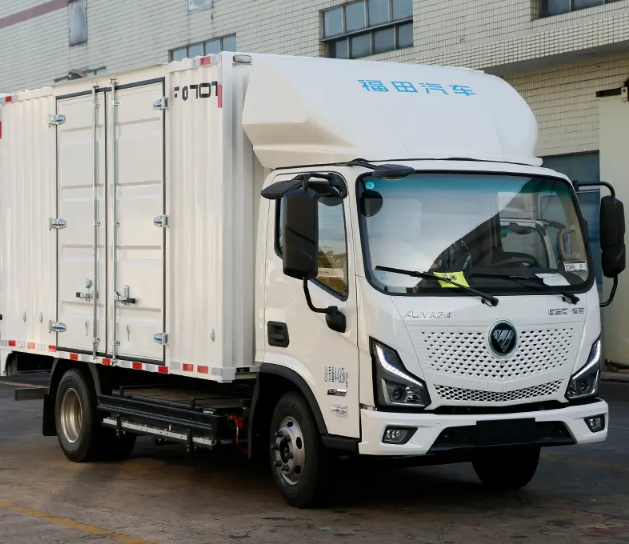
Align Reefer Box Truck Specifications with Long-Distance Cold Chain Demands
Payload Capacity, Interior Dimensions, and TRU Power Output for 500+ Mile Hauls
When picking out a refrigerated box truck for long hauls, it's really important to get the right balance between how much weight it can carry, the space inside, and how well the cooling system works. Most trucks around 16 to 20 feet long can fit about 6 to 8 pallets and handle weights up to 13,000 pounds. These are pretty good for moving perishables within regions. For those big trips across the country with frozen goods, bigger trucks measuring 22 to 28 feet make more sense. They can hold 10 to 12 pallets and take on heavier loads of around 15,000 pounds without compromising on either structural strength or keeping things cold properly. The refrigeration unit itself needs at least 25,000 BTUs to keep temperatures stable throughout those 12 hour drives. This becomes even more crucial when driving through hot desert areas or changing elevations. If the cooling isn't strong enough, temperatures might rise by over 5 degrees Fahrenheit, which could ruin all the cargo being transported.
Temperature Range & Multi-Zone Capability: Chiller, Freezer, and Dual-Temp Configurations
Maintaining proper temperatures is critical for long haul cold chain operations. We're talking about everything from super cold -20 degrees Fahrenheit needed for those deep frozen pharmaceutical products all the way up to around 50 degrees for certain types of produce that can't handle much chill at all. Some trucks actually have dual temperature setups where different sections are separated physically so they can carry both frozen goods at about -10 degrees and chilled items around 34 degrees during the same delivery run. This helps cut down on wasted space when loads aren't complete. The newer refrigeration units come equipped with three stage evaporators that bring temperatures back down quickly after doors get opened, backup compressors that keep things within just plus or minus one degree even across 500 mile trips, plus special airflow systems designed to stop contamination between zones. Industry research shows these multi zone refrigerated trucks can slash empty driving time by roughly 40 percent compared to traditional methods. And let's not forget about the digital logs that meet FSMA requirements too these days. They automatically record everything and create tamper proof records which are absolutely necessary for transporting expensive foods and biopharma products where documentation matters most.
Prioritize Reliable Refrigeration Technology and Real-Time Cold Chain Monitoring
Diesel vs. Electric TRUs: Runtime, Fuel Efficiency, and Redundancy for Extended Trips
Most long haul operations still rely on diesel powered transport refrigeration units because they can run indefinitely as long as there's somewhere to refuel. This matters a lot for those 500 mile plus trips through rural areas where gas stations are few and far between. Electric models definitely save money on fuel costs per mile and produce no exhaust fumes, but they need charging points which aren't widely available yet outside big shipping lanes. Some companies have started using hybrid units that switch automatically between power sources when one fails, keeping cargo at the right temperature no matter what happens. The numbers back this up too electric units typically reduce fuel bills by around 18 to 30 percent in places with good charging options. Meanwhile diesel continues to dominate in areas where the electrical grid just isn't up to snuff.
Cloud-Connected Temperature Monitoring, Alert Systems, and FSMA-Compliant Audit Trails
For any multi-day refrigerated transport operation, real time monitoring just cant be skipped these days. The sensors connected to the cloud keep track of everything inside the truck all day long temperature levels, how moist it gets, where exactly the vehicle is on the map, even when doors open or close. When things start going outside normal ranges, the system sends out instant text messages or emails so someone can jump in fast before problems mess up both chilled and frozen goods. Speaking of rules, under FSMA regulations now most companies have switched from handwritten notes which are full of mistakes to automatic digital logs. These systems record every temperature change with timestamps, note locations throughout delivery routes, and document what steps were taken when issues arise all neatly packaged for inspection purposes. Warehouses that implemented this tech saw their shipment rejection rates drop by around 22 percent each year simply because they could show clear proof of proper handling during those pesky audits from health inspectors.
Verify Thermal Integrity Through Insulation Quality and Structural Design
PUF, FRP, and Corrugated Panel R-Values, Condensation Control, and Payload Efficiency
The thermal performance of refrigerated transport really depends on how well the insulation works and what kind of panels are used in construction. Polyurethane foam, or PUF as it's often called, gives some of the best insulation values around, typically between R-6 and R-7 per inch thick. That makes it way better than most other options available today. Fiberglass reinforced plastic panels along with corrugated steel help keep things sturdy without making the whole unit too heavy to handle. When temperatures change quickly outside, integrated vapor barriers stop moisture from building up inside these units. This protects delicate items like medicines and fresh fruits vegetables from getting ruined by condensation. Getting the right wall thickness is actually pretty tricky business. Manufacturers have to find that sweet spot where they get good insulation but still leave enough room for cargo. Some newer PUF technology allows walls to be thinner by about 15 to 20 percent compared to older materials. This means more actual space for goods while keeping temperatures stable even during long trips covering over 500 miles.
Ensure Compliance and Operational Resilience Across Interstate Long-Haul Routes
Running refrigerated box trucks between states means following all those FMCSA rules pretty closely. We're talking about things like how many hours drivers can work before needing rest, regular checks on the vehicles themselves, and those mandatory electronic log devices. Plus there are special permits needed when transporting oversized or overweight cargo at the state level too. When planning routes, operators need to check bridge weight capacities first thing. Some roads close during certain seasons, and different areas have their own temperature documentation needs. Keeping digital records of temps inside the truck, doing those pre-trip checks on the refrigeration units, and making sure drivers have proper certifications really helps when auditors from FSMA or FMCSA come knocking. To keep operations running smoothly, companies should stick to regular maintenance for those refrigeration units and install backup cooling systems just in case. Driver training programs need to cover what to do if something breaks down mechanically or if temperatures start going outside safe ranges. Taking this comprehensive approach with both regulations and having plans for emergencies saves money in the long run and keeps perishable goods safe from spoilage throughout the entire delivery process.
FAQ Section
What factors should be considered when selecting a reefer box truck for long hauls?
Consider payload capacity, interior dimensions, TRU power output, refrigeration unit capacity, and insulation quality to ensure efficient temperature maintenance over long distances.
Why are diesel TRUs favored over electric models for long-distance refrigerated transport?
Diesel TRUs are popular because they can operate continuously as long as refueling stations are accessible, making them ideal for long rural routes with limited charging options.
How do cloud-connected temperature monitoring systems benefit cold chain operations?
They provide real-time alerts for deviations in temperature and other conditions, allowing prompt corrective actions that minimize spoilage risk and ensure compliance with FSMA regulations.
Table of Contents
- Align Reefer Box Truck Specifications with Long-Distance Cold Chain Demands
- Prioritize Reliable Refrigeration Technology and Real-Time Cold Chain Monitoring
- Verify Thermal Integrity Through Insulation Quality and Structural Design
- Ensure Compliance and Operational Resilience Across Interstate Long-Haul Routes
- FAQ Section