
 EN
EN
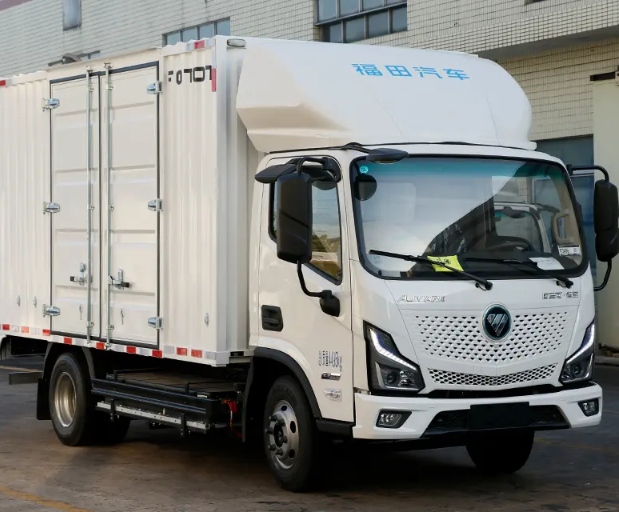
Reefer Box Truck Load Capacity: Key Definitions and Core Constraints
Gross Vehicle Mass (GVM) vs. Payload Capacity in a 4.2m Reefer Box Truck
Getting a handle on load capacity really comes down to knowing the difference between Gross Vehicle Mass (GVM) and what's actually transportable. Think of GVM as the total weight limit for when everything's packed in - chassis, bodywork, refrigeration units, all the fluids inside, people riding along, plus whatever goods need moving. Then there's payload capacity, which tells us how much stuff we can legally put in the back. Simple math really: subtract the tare weight (that's just the truck itself when it's completely empty) from the GVM. Take a typical 4.2 meter refrigerated box truck for instance. When drivers do these calculations, they're essentially setting the boundaries for what their vehicle can safely handle day to day on the road.
| Term | Definition | Impact on Operations |
|---|---|---|
| Gross Vehicle Mass | Total permissible weight of truck + cargo + fluids | Legal roadway compliance threshold |
| Tare Weight | Weight of empty vehicle (chassis + body + refrigeration system) | Reduces available payload |
| Payload Capacity | GVM – Tare Weight = Maximum cargo weight | Critical for load planning & compliance |
The refrigeration unit alone adds 200–400 kg to tare weight—immediately reducing payload before a single pallet is loaded. This inherent trade-off means operators must balance refrigeration performance, thermal integrity, and freight efficiency.
How Refrigeration Units, Insulation, and Body Construction Reduce Usable Payload
Refrigerated box trucks sacrifice payload capacity to deliver precise temperature control. Three structural elements drive this reduction:
- Refrigeration units: Transport-grade diesel or electric units weigh 250–450 kg; mounting hardware and fuel reserves add further mass.
- Insulation: High-density polystyrene or polyurethane walls (12–15 cm thick) contribute 300–500 kg over standard dry van bodies.
- Reinforced construction: Strengthened floor cross-members, wall framing, and structural bracing—required to maintain integrity at -20°C—add 8–12% to tare weight.
Together, these features reduce usable payload by 1.1–1.8 tonnes compared to equivalent non-refrigerated models. That loss isn’t theoretical: it directly impacts freight yield, axle weight distribution, and compliance with bridge formula regulations.
Typical Load Capacity Range for a 4.2m Reefer Box Truck
Standard Payload: 1,200–1,800 kg Across Common Chassis and Axle Configurations
The standard 4.2 meter refrigerated box truck typically carries between 1,200 to 1,800 kilograms worth of goods, depending on factors like how the chassis was built, what kind of axles it has, and other specifications during manufacturing. These numbers generally match up with gross vehicle weight ratings ranging from 3,500 to 4,500 kg across different models. Take for instance a truck rated at 3,500 kg GVWR but with a tare weight around 2,300 kg. That leaves only about 1,200 kg available for actual cargo. However, newer trucks made with lightweight aluminum bodies and better refrigeration setups can sometimes push closer to those upper limits of 1,800 kg. When looking at specs, remember to check the official tare weight provided by the manufacturer and consult local transportation regulations instead of relying solely on the glossy brochures manufacturers often distribute.
Verified Real-World Data from Australian and UK Fleet Operators (2023–2024)
Data collected from fleets across Australia and the United Kingdom shows that actual payloads generally stay within certain weight ranges. According to the Australian Transport Association's audit in 2023 looking at 200 refrigeration trucks, the average cargo weight came out to around 1,450 kilograms, ranging between 1,150 and 1,750 kg. Similar numbers popped up in British fleet reports from 2024 as well. Most interestingly, when asked what limited their carrying capacity, more than three quarters of truck operators pointed to axle weight restrictions instead of total vehicle weight limits. This makes sense because regulations about bridges and roads plus the way weight gets distributed across different parts of the truck usually means drivers can't actually carry everything they theoretically could.
Legal and Operational Factors That Further Limit Effective Load Capacity
Tare Weight Certification, Bridge Formula Compliance, and Road Authority Requirements
Getting accurate, certified tare weight right is absolutely essential for anyone operating commercial vehicles. Both Australian and British road authorities insist on official weight tickets prior to any operations. If there are discrepancies beyond what's allowed in different regions, operators face serious consequences. For instance, in Victoria the tolerance limit sits at 7.5%, while Queensland allows up to 10%. Anyone going over these limits risks fines as high as ten thousand dollars according to recent transport reports from 2023. There's another layer to consider too. When following bridge formulas, distributing weight properly across all axles helps protect roads and bridges but actually cuts down on how much cargo can be carried compared to just looking at gross vehicle weight ratings. That difference usually ranges between 8% and 12%. Because of this, smart operators always base their loading plans on those certified axle weights instead of relying solely on the total vehicle mass numbers.
Impact of Refrigeration System Power Draw and Auxiliary Equipment on Payload Allocation
When we talk about refrigeration systems in trucks, most people think only about the extra weight they add. But what gets overlooked is how these systems actually eat into payload capacity while running. For instance, Carrier Transicold and Thermo King units need around 150 to 220 kilograms just for the compressor and all the mounting stuff. Then there's everything else that piles on top. Telematics systems weigh about 40 kg, liftgates come in at 25 kg, those heavy duty rails for securing loads take another 15 kg, and don't forget the big batteries required to keep things running smoothly at 3 to 5 kilowatts continuously. All told, these necessary bits can gobble up between 15% and 20% of a typical 1,500 kg payload limit. That means drivers have to leave space empty just to stay within regulations. And this gets even worse when considering the extra weight from insulation materials and reinforced structures needed for proper temperature control throughout long hauls.
Frequently Asked Questions (FAQ)
What is the Gross Vehicle Mass (GVM) of a 4.2m reefer box truck?
The GVM of a 4.2m reefer box truck typically ranges from 3,500 kg to 4,500 kg, depending on the model and specifications.
How much does the refrigeration unit affect the truck's payload capacity?
The refrigeration unit can add between 200 kg and 400 kg to the truck's tare weight, reducing the available payload capacity even before any cargo is loaded.
What is the average payload capacity for a 4.2m reefer box truck?
The average payload capacity typically ranges from 1,200 kg to 1,800 kg, varying based on the truck's design and other specifications.
Why is tare weight certification important?
Certified tare weight is crucial for legal operations and ensures compliance with road authority requirements, potentially avoiding hefty fines.
How do auxiliary systems impact payload allocation?
Auxiliary systems like telematics, liftgates, and refrigeration compressors can consume 15% to 20% of a truck's payload capacity.
Table of Contents
- Reefer Box Truck Load Capacity: Key Definitions and Core Constraints
- Typical Load Capacity Range for a 4.2m Reefer Box Truck
- Legal and Operational Factors That Further Limit Effective Load Capacity
-
Frequently Asked Questions (FAQ)
- What is the Gross Vehicle Mass (GVM) of a 4.2m reefer box truck?
- How much does the refrigeration unit affect the truck's payload capacity?
- What is the average payload capacity for a 4.2m reefer box truck?
- Why is tare weight certification important?
- How do auxiliary systems impact payload allocation?