
 EN
EN
Define Your Cargo’s Temperature Requirements and Compliance Needs
Precise temperature control starts with understanding your cargo’s specific needs and regulatory obligations. This foundational step ensures product integrity throughout transit while avoiding costly compliance violations.
Chilled, Frozen, and Deep-Frozen Ranges: Aligning Setpoints with Product Integrity
Various products need different temperature ranges to stay fresh and safe. Refrigerated stuff like medicines and fruits usually sit around 2 to 8 degrees Celsius. Meat products generally freeze at about minus 18 degrees, but some things get stored even colder. Vaccines and certain seafood might be kept at minus 25 degrees or below. When temperatures drift outside these zones, problems start happening. Food gets mushy, bacteria multiply faster, and chemicals break down in ways nobody wants. Take frozen transportation for instance. If the temp swings up by just 3 degrees during transit, ice crystals form quicker inside the product. These crystals punch holes in the cells of whatever's being transported, which ruins the quality over time. That's why maintaining consistent cold chain conditions matters so much for keeping food safe and looking good on store shelves.
FDA, HACCP, and Cold Chain Regulations for Reefer Box Truck Operations
Meeting compliance requirements depends heavily on following guidelines set by the FDA for food safety and implementing HACCP protocols. These rules require ongoing temperature records, proper sanitation logs, and backup plans when power goes out. Companies that fail to comply face serious consequences including fines of up to half a million dollars for each violation plus having to recall products from shelves. The numbers tell an interesting story too: most temperature problems happen while goods are being loaded onto or taken off transport vehicles. That's why real-time monitoring becomes so important at those exact moments. Refrigerated trucks equipped with the right technology help maintain cold chain integrity throughout shipping. They collect actual data points along the entire route, making audits much easier when regulators come knocking.
Compare Custom Temperature Control Options: Single-Zone vs. Multi-Zone Reefer Box Trucks
When Dual-Temp Suffices: Cost-Efficiency and Operational Simplicity for Most Fleets
Single zone refrigerated trucks offer better temperature control while costing less initially and requiring simpler maintenance. When moving consistent cargo like fruits kept at around 35 degrees Fahrenheit or frozen items stored at minus 20 degrees, these trucks save about 18 percent in energy compared to those with multiple zones according to Cold Chain Quarterly from last year. They also mean drivers need less training since there's only one temperature setting to manage. Plus, they tend to work more reliably on regular delivery routes where the same product gets transported repeatedly without needing constant adjustments.
Multi-Zone Capabilities: Enabling Mixed-Load LTL Revenue Without Cross-Contamination
The latest multi zone refrigerated trucks have these special insulated sections that keep different temperatures at the same time. So they can carry both frozen stuff around -10 degrees Fahrenheit and regular chilled items at about 34 degrees all in one load. This cuts down on making extra trips which actually increases revenue per mile traveled by roughly 22% based on what various logistics reports show. These trucks also stop moisture from moving between compartments and prevent smells from spreading, which is really important for meeting those strict FDA rules when transporting medicines and other valuable perishable goods. Sure, buying one of these advanced trucks costs about 15% more upfront, but the added versatility creates lots of potential for handling smaller loads from different customers, something that makes good business sense in today's market.
Match Reefer Box Truck Size, Payload, and TRU Capacity to Your Route Profile
14–26 ft Reefer Box Trucks: Balancing Urban Access, Regional Range, and Temperature Stability
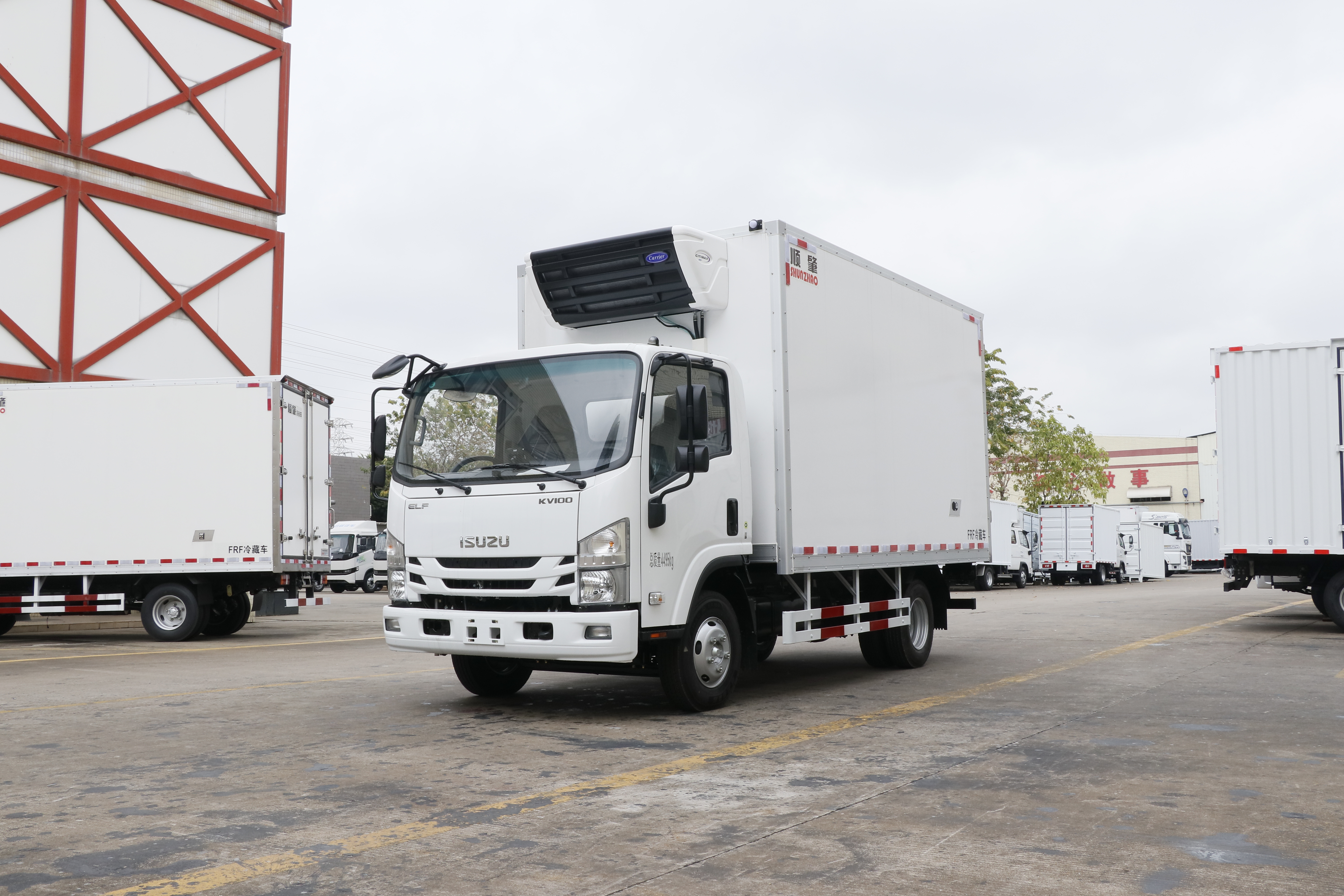
The medium duty reefer box trucks ranging between 14 to 26 feet long work really well for moving perishables around cities and across regions. These trucks typically have GVWR ratings from just over 10 thousand pounds all the way up to 26 thousand pounds, which means they can carry around 8 thousand pounds worth of goods. Plus, since they fall below CDL weight limits, companies don't need specialized drivers, making it easier to hire staff and stay compliant with regulations. The smaller size makes them much better at getting through crowded urban areas and tight loading spaces compared to bigger rigs. Studies show these compact units actually save about 22% on travel time in metro areas when compared to their larger counterparts. When looking at trips covering less than 500 miles, good quality polyurethane foam insulation combined with correctly sized transport refrigeration units keeps temperatures stable throughout the journey. Companies should always go for direct drive TRUs that match exactly what's needed for the box size. If the unit is too small, it will have trouble maintaining proper temps especially after multiple door openings. But going too big wastes space and burns more fuel. Finding this sweet spot ensures food stays fresh without affecting how easy the truck is to handle or hurting profit margins on those delivery runs.
Verify TRU Technology and Insulation Performance for Reliable Custom Setpoint Execution
Getting reliable custom setpoints requires checking both how responsive the TRU is and making sure the insulation holds up. Good insulation needs to keep its thermal resistance stable even when things get shaky during transport. Some advanced composite materials can reach flexural modulus values over 3300 MPa which gives them the strength needed for long hauls. The TRU itself has to maintain very tight temperature control within about plus or minus 1 degree Fahrenheit despite all sorts of challenges faced in daily operations. Think about those constant door openings, changes in elevation as trucks move around, and hot environments where temperatures regularly climb past 90 degrees. Testing materials through dielectric methods tells us how well they resist heat transfer, giving concrete numbers we can rely on instead of guesswork. Real world data indicates that companies thoroughly testing both insulation quality and TRU performance see roughly a 63% drop in temperature deviations from what's specified. This balanced approach means medicines actually stay around 36 degrees Fahrenheit while frozen products remain properly chilled at minus 10 degrees Fahrenheit in actual delivery situations, not just theoretical scenarios.
FAQs
What are the main temperature ranges for refrigerated cargo?
Refrigerated cargo typically requires different temperature ranges depending on the product. Common ranges include chilled items like medicines at 2 to 8 degrees Celsius, frozen goods like meat at about minus 18 degrees, and deep-frozen products such as vaccines at minus 25 degrees or below.
What are the compliance requirements for refrigerated transport?
Compliance involves adhering to guidelines from the FDA and HACCP protocols, which require maintaining temperature records, proper sanitation logs, and having backup plans for power outages. Non-compliance can lead to hefty fines and mandatory product recalls.
How do single-zone and multi-zone trucks differ?
Single-zone trucks offer cost-efficiency and simpler maintenance with uniform temperature settings, ideal for transporting consistent cargo. Multi-zone trucks allow for carrying different types of cargo at varied temperatures, increasing versatility but with a higher upfront cost.
What are the benefits of medium-duty reefer trucks?
Medium-duty reefer trucks, ranging from 14 to 26 feet, are suitable for urban and regional shipments. They offer advantages like avoiding the need for specialized drivers and navigating tight urban spaces with ease while maintaining stable temperatures.
Table of Contents
- Define Your Cargo’s Temperature Requirements and Compliance Needs
- Compare Custom Temperature Control Options: Single-Zone vs. Multi-Zone Reefer Box Trucks
- Match Reefer Box Truck Size, Payload, and TRU Capacity to Your Route Profile
- Verify TRU Technology and Insulation Performance for Reliable Custom Setpoint Execution
- FAQs