
 EN
Start with the Job, Not the Truck
Customizing a truck for sale begins with a clear picture of the work it must do. Buyers often start with a chassis they like, then try to fit the job around it. That approach leads to compromises. A better path starts with routes, cargo, daily distance, loading methods, and local rules. A delivery truck that runs narrow city streets needs a different setup than a construction truck that hauls gravel on rough roads. Write down the payload, volume, and access needs. Note the maximum height and weight allowed on the routes. Check whether the cargo needs temperature control, lifting equipment, or a flatbed. These details decide the chassis, the body, and the accessories. A truck that matches the job from the start costs less to run and causes fewer headaches.
Choose a Chassis That Can Carry the Build
The chassis is the foundation of any custom truck. It sets the gross vehicle weight rating, the wheelbase, the engine options, and the axle capacity. A light duty chassis works for urban delivery and light service. A medium duty chassis handles regional distribution and specialized bodies. A heavy duty chassis is built for construction, mining, and long haul. The wheelbase affects maneuverability and body length. A longer wheelbase gives a smoother ride but needs more space to turn. The axle ratio affects pulling power and fuel economy. Buyers should confirm that the chassis can handle the added weight of the body, the cargo, and the equipment. Overloading a chassis is unsafe and illegal. China's GB 1589 standard sets limits on overall dimensions and axle loads. Checking those limits before customizing saves time and money.
Match the Body and Compartment to the Cargo
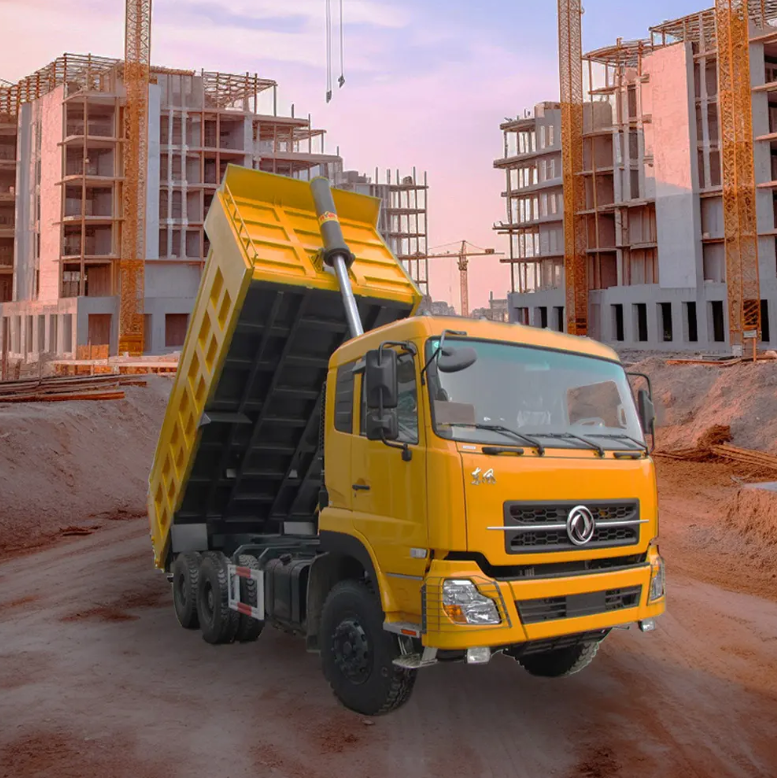
The body is where most customization happens. A box van suits packaged goods, appliances, and e commerce parcels. A flatbed carries construction materials, machinery, and oversized items. A dump body handles sand, gravel, and agricultural products. A refrigerated body serves food and pharmaceuticals. A tanker moves liquids. A crane or lift gate helps with heavy loads. The table below compares common body types and their best uses.
| Body Type | Best For | Loading Method | Limits |
|---|---|---|---|
| Box van | Parcels, retail, furniture | Rear or side doors | Not for loose bulk |
| Flatbed | Steel, machinery, pallets | Forklift or crane | Weather exposure |
| Dump body | Sand, gravel, grain | Rear tipping | Not for fragile goods |
| Refrigerated | Food, medicine | Rear doors | Higher cost, weight |
| Tanker | Fuel, water, chemicals | Pump or gravity | Special permits |
| Crane truck | Construction, equipment | Onboard crane | Higher axle load |
The compartment length, height, and door layout should match the loading dock or the manual handling method. A side door may speed up deliveries on narrow streets. A rear roll up door works well for palletized goods. Internal tie down rails protect cargo during transit. These details matter more than paint color.
Powertrain and Drivetrain Choices That Affect Cost
Engine, transmission, and drivetrain options change operating cost and driver experience. A smaller engine uses less fuel but may struggle with heavy loads or hills. A larger engine pulls better but burns more. Automatic transmissions reduce driver fatigue in stop and go traffic. Manual transmissions cost less to repair and give more control off road. Two wheel drive is fine for paved roads. Four wheel drive or a locking differential helps on mud, snow, and steep grades. Buyers should match the drivetrain to the worst conditions on the route, not the average. A truck that gets stuck once a week is not saving money. Fuel type also matters. Diesel remains common for heavy work. Electric and natural gas options are growing in some markets. Each choice has tradeoffs in range, refueling, and maintenance.
Safety, Compliance, and Upfit Quality
Customization must respect safety and legal rules. Brakes, lights, mirrors, and tires must match the added weight and size. A body that blocks the rear view or overloads an axle creates risk. Local rules may require reflective markings, underride guards, or speed limiters. Upfit quality decides how long the truck stays reliable. Poor welds, weak mounts, and cheap wiring cause failures. A reputable builder uses proper torque, corrosion protection, and strain relief. Electrical work should follow the chassis manufacturer's guidelines to avoid warranty conflicts. Buyers should ask for as built drawings, weight tickets, and a pre delivery inspection. A truck that passes inspection on day one is more likely to stay on the road.
A Real Customization Case from a Regional Distributor
A regional distributor in southern China needed trucks for two very different jobs. One route served crowded markets with small drops. The other route carried building materials to suburban sites. The company bought three chassis and planned the bodies with a local upfitter. The city trucks received short box bodies with side doors and lift gates. The suburban trucks received flatbeds with fold down sides and tie down rails. Drivers reported easier loading and fewer injuries. Fuel use dropped because the city trucks used smaller engines. The key was matching each build to its route. That is the lesson for anyone shopping for a truck for sale. Customization works when it follows the job, not when it follows a trend.
Working with Shunzhao for Custom Truck Solutions
Shunzhao, founded in 1994, has grown from a small trading team into a commercial vehicle service platform. The business covers commercial vehicle sales, special vehicle manufacturing, maintenance, and finance. Over 30 years, Shunzhao has built the scale and supply chain depth to support custom truck projects. For buyers comparing a truck for sale, Shunzhao offers a practical path from needs analysis to body design and after sales service. The right customization turns a standard chassis into a tool that fits the work. That is the value of working with a partner that understands both the vehicle and the job.
Table of Contents
- Start with the Job, Not the Truck
- Choose a Chassis That Can Carry the Build
- Match the Body and Compartment to the Cargo
- Powertrain and Drivetrain Choices That Affect Cost
- Safety, Compliance, and Upfit Quality
- A Real Customization Case from a Regional Distributor
- Working with Shunzhao for Custom Truck Solutions