
 EN
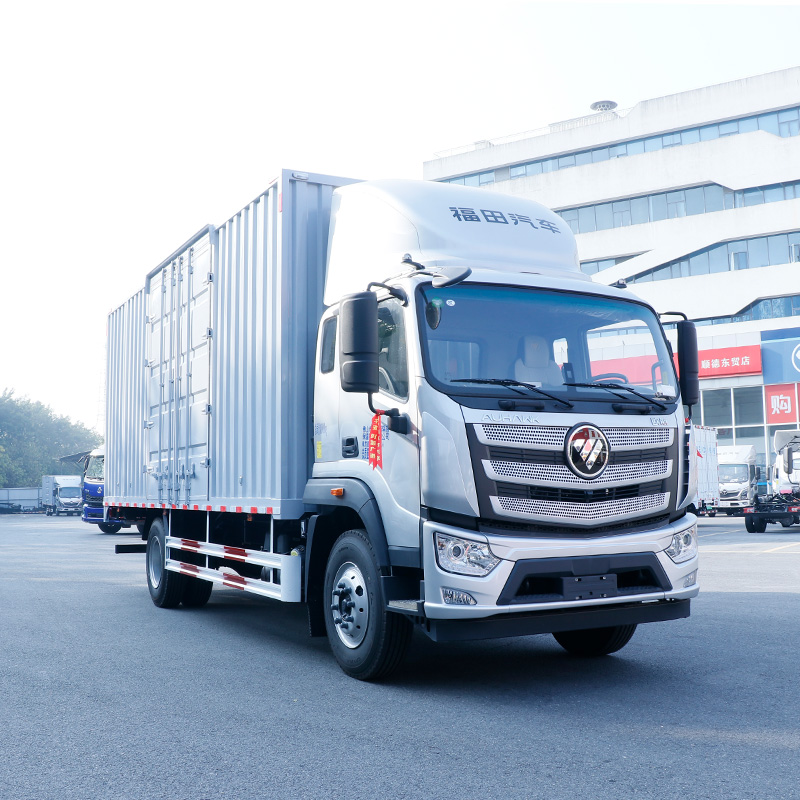
Start With the Route, Not the Range Rating
Urban short-distance transport looks simple on paper. A truck leaves the depot, makes a few stops, comes back. Reality is messier. A buyer moving appliances across Shenzhen faces a different duty cycle than one hauling food crates through Chengdu's older districts. The purchase decision should begin with route profiling, not brochure numbers.
Electric trucks behave differently from diesel under urban conditions. Stop-and-go traffic, low-speed climbing, and continuous loads from air conditioning or refrigeration units all drain the pack. A common mistake among fleet operators is applying diesel-era rules of thumb, assuming battery capacity is the only metric that matters. In truth, cell chemistry, thermal management, and regenerative braking strategy carry equal weight.
Three years ago, during a delivery fleet pilot in southern China, a team discovered that an electric truck rated at 200 km of range could barely clear 120 km with the refrigeration unit running and a full payload. That gap was not fraud. It was the difference between test-cycle conditions and real-world duty. The takeaway is straightforward: before committing to a purchase, model energy consumption against actual route data.
Battery Chemistry Matters More Than You Think
Lithium iron phosphate (LFP) and nickel manganese cobalt (NMC) are the two dominant chemistries in urban electric trucks. LFP packs offer longer cycle life, better thermal stability, and lower cost. NMC packs pack more energy into the same weight, which translates to longer range. For fixed daily routes, LFP is often the pragmatic choice. For operations that occasionally stretch beyond city limits or are weight-sensitive, NMC may justify the premium.
Buyers should also look at usable capacity, not just nameplate figures. Some manufacturers build in a buffer to protect battery longevity. That is not necessarily a flaw, but knowing the real available kilowatt-hours matters when calculating how many routes a truck can cover before returning to base.
| Metric | Diesel Truck | Electric (LFP) | Electric (NMC) |
|---|---|---|---|
| Energy cost per km | 0.45–0.60 RMB | 0.12–0.18 RMB | 0.12–0.18 RMB |
| Routine maintenance | High | Low | Low |
| Battery cycle life | N/A | 3,000–5,000 cycles | 1,500–2,500 cycles |
| Typical urban range | 400+ km | 150–250 km | 200–350 km |
| Upfront cost | Lower | Higher | Higher |
Charging Infrastructure Is the Hidden Constraint
Most conversations about electric trucks focus on the vehicle. Charging is where fleet expansion actually stalls. A depot running twenty electric trucks needs more than twenty charge points. It needs sufficient electrical capacity, smart scheduling, and a strategy that accounts for electricity price fluctuations.
Overnight slow charging is the most common approach for urban delivery fleets. It leverages off-peak rates and is gentler on battery health. Not every fleet has the luxury of overnight parking, though. For multi-shift operations, opportunity charging or battery swapping may fit better. The charging plan should be settled before the truck order is signed. An electric truck that cannot charge reliably is an expensive paperweight.
Total Cost of Ownership Needs a Reality Check
Electric trucks typically carry a higher sticker price than comparable diesel models. Total cost of ownership (TCO) comparisons require more nuance. Electricity costs less than diesel. Electric drivetrains have fewer moving parts and lower maintenance demands. But battery degradation, charging infrastructure investment, and potential insurance rate differences all feed into the ledger.
A study from a U.S. Department of Energy national laboratory found that for urban delivery routes averaging around 150 km per day, electric trucks can reach TCO parity with diesel within four to six years. That window is highly sensitive to electricity rates, daily mileage, and vehicle utilization. Smaller fleets have a harder time amortizing infrastructure costs.
What to Check Before Signing the Order
Test drives matter, but they are not enough. Several items deserve verification before the purchase order is finalized:
-
What are the measured energy consumption figures under near-full payload and real route conditions?
-
Is there third-party validation of usable battery capacity and degradation curves?
-
Do charging connectors comply with local standards, and is spare parts supply reliable?
-
How broad is the after-sales service network, and what are typical response times?
-
Does the vehicle qualify for local electric commercial vehicle incentives or access privileges?
Answers to these questions often determine project success more than the vehicle's spec sheet.
Partner With a Manufacturer That Understands Fleet Operations
Choosing an electric truck is ultimately a long-term partnership decision. The manufacturer's engineering capability, supply chain stability, and after-sales support shape every day after delivery.
Take Hansuo as an example. The company has built years of manufacturing experience in commercial vehicles, and its supply chain integration and quality control systems give fleet operators stable vehicle delivery and parts availability. For logistics companies buying in volume, that kind of manufacturing reliability often matters more than any single technical parameter.