
 EN
EN
Match Box Truck Size and Payload Capacity to Delivery Requirements
Small Box Trucks (10–16 Feet): Ideal for Urban and Local Last-Mile Routes
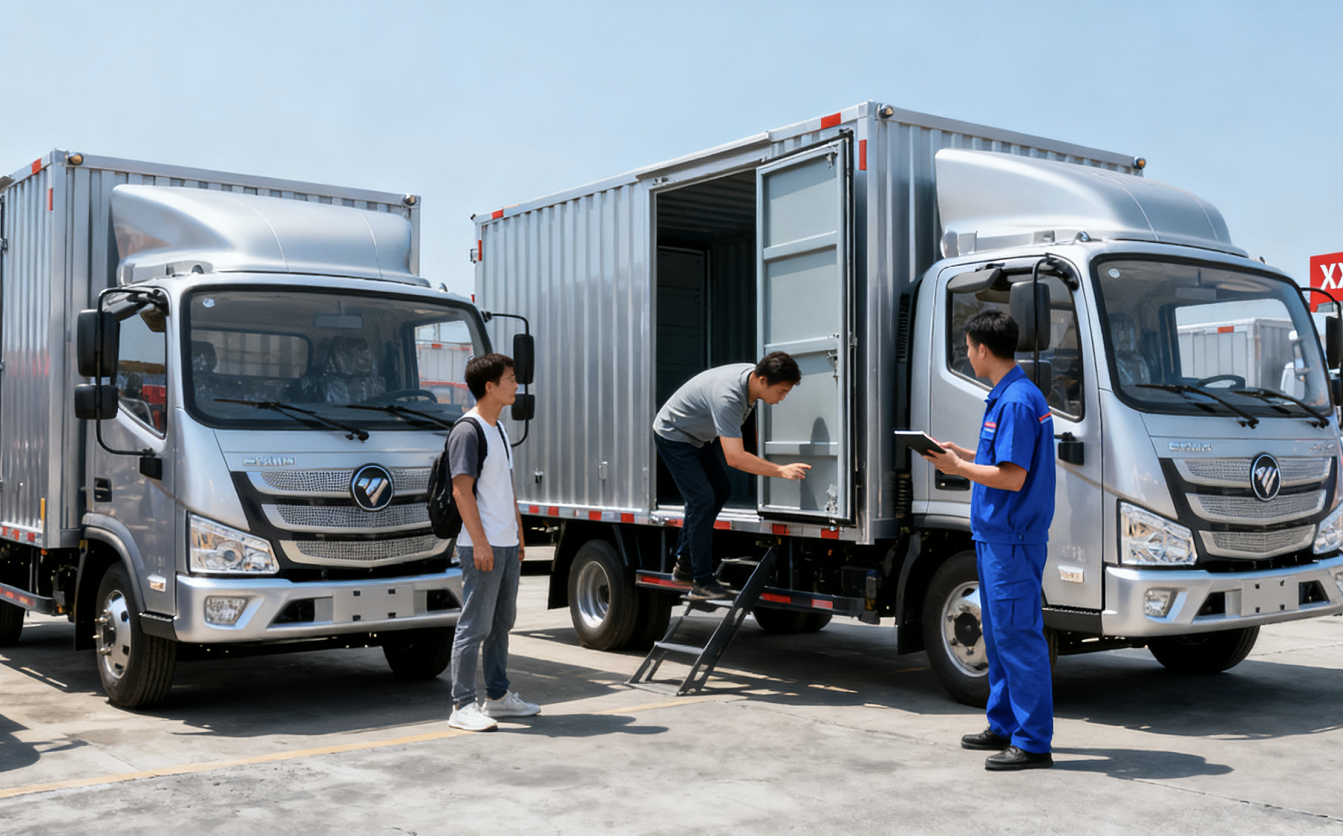
The smaller 10 to 16 foot box trucks are becoming increasingly popular for deliveries right in city centers where space is at a premium. These vehicles typically carry between three thousand and six thousand pounds, which works well for most local distribution needs. What makes them stand out is how easily they can maneuver around tight corners and fit into crowded commercial areas that bigger rigs just cant handle. Many online retailers and neighborhood courier companies have found these compact trucks cut down on gas costs somewhere around fifteen to twenty percent when compared to their larger counterparts. Plus, they still manage to fit regular sized pallets inside without much trouble. When shopping for one of these delivery vans, look for models with easy access roll up doors and floors that sit closer to ground level. This setup really helps speed things along during those constant starts and stops typical of urban delivery routes.
Understanding Payload, Cargo Volume, and GVWR When Buying Box Trucks for Sale
When choosing a box truck, three main factors come into play: what weight it can carry (payload), how much space is available inside (cargo volume measured in cubic feet), and the total weight capacity (known as GVWR or Gross Vehicle Weight Rating). Going over that GVWR limit means adding too much combined weight from the truck itself, fuel, liquids, driver, and all the goods being transported. This not only creates safety risks but also leads to fines from regulators. Last mile delivery companies need to find the right balance between what they need to carry versus what the empty truck weighs. Take a standard 14 foot long model for instance - these usually handle around 4,500 pounds of cargo while providing roughly 800 to 1,000 cubic feet of storage space. Before purchasing used box trucks, double check those axle ratings because getting them wrong is one of the most common reasons fleets end up with compliance problems related to overloading.
Analyzing Freight Volume and Route Demands for Optimal Truck Sizing
Map daily freight characteristics against route constraints:
- Density zones: High-stop urban routes favor smaller trucks (<16 ft.) for agility and parking efficiency
- Weight distribution: Rural or suburban routes with highway segments support 20–24 ft. trucks for higher payload efficiency
- Access barriers: Confirm bridge heights, dock clearances, and alley widths before deployment
Conduct a 4-week shipment audit tracking average weight and cubic footage per stop. Logistics efficiency studies show routes with >20 stops/day achieve 22% faster turnaround times using maneuverable 12–14 ft. trucks versus larger alternatives.
Enhance Operational Efficiency with Last-Mile-Focused Truck Features
Liftgates, Roll-Up Doors, and Low-Entry Designs for Faster Unloading
Purpose-built features directly accelerate last-mile workflows:
- Hydraulic liftgates eliminate manual handling for heavy parcels, reducing loading/unloading time by 30–45 seconds per stop
- Roll-up rear doors maximize access width in tight urban spaces, enabling parallel-parking deliveries without blocking traffic
- Low-entry cabs (<24-inch step-in height) reduce driver fatigue during high-frequency stop-and-go operations
Collectively, these features cut average delivery cycle times by 15% in multi-stop urban routes, according to 2023 logistics efficiency benchmarks.
Maneuverability and Urban Accessibility in High-Density Delivery Zones
Navigating congested streets demands specialized configurations:
| Feature | Benefit | Operational Impact |
|---|---|---|
| Tighter turning radius | Clears narrow alleys and roundabouts | 22% fewer route deviations |
| Compact dimensions | Fits standard parking spaces (<22' length) | Reduced idling fines and citation risk |
| Fuel-efficient engines | Lower emissions in restricted zones | Compliance with urban ECO laws and low-emission zone access |
Prioritizing these traits prevents 3–5 minutes of detour time per delivery in metro areas while enhancing driver safety and regulatory compliance.
Compare Cost Models: Buying, Leasing, or Renting Box Trucks for Sale
Total Cost of Ownership for Small Box Trucks in E-Commerce and Retail Fleets
Evaluating ownership models requires analyzing five key cost drivers beyond upfront price. For small box trucks (10–16 feet) in last-mile e-commerce and retail fleets, consider:
- Fuel consumption over 100,000 miles
- Scheduled maintenance and unexpected repairs
- Insurance premiums
- Depreciation rates
- Resale value after 5–7 years
A 2023 industry analysis revealed:
- Leasing reduces capital expenditure by 60% compared to buying—ideal for testing new routes or scaling seasonally
- Buying becomes cost-effective within 24 months for fleets operating ≥15 trucks daily
- Renting suits short-term capacity needs but increases per-mile costs by 40% versus ownership
Calculate total cost of ownership (TCO) using this formula:
(Monthly Payments × Term) + (Fuel Cost × Annual Miles) + Maintenance + Insurance — Resale Value
Prioritize models with telematics integration to track real-world TCO variables—including idle time, harsh braking, and route deviation—enabling data-driven fleet optimization.
Select the Right Box Truck Type for Industry-Specific Last-Mile Needs
Best Box Truck Configurations for Retail, Food, and Parcel Delivery Segments
What kind of box truck works best really depends on what industry needs it most. Retailers delivering goods need their cargo protected and easy to get to, so they often go for trucks with those big roll-up doors and handy liftgates that let them unload quickly at stores without hassle. When moving food around, refrigeration becomes essential. These trucks must have those special temperature zones that meet both FDA and USDA requirements just to keep everything fresh enough to sell. Parcel delivery companies face different challenges altogether. With all those stops packed close together in cities, smaller trucks between 14 and 16 feet long make more sense. They come with lower entry points for easier loading and built-in tracking systems that help drivers navigate tight city streets faster. According to recent logistics reports from 2023, businesses see about an 18 percent boost in efficiency when their trucks match exactly what their operations need. Getting this right from the start saves money down the road because nobody wants to spend extra retrofitting vehicles later on. Plus, proper configuration means better use of space inside each truck and fewer problems meeting regulatory standards.