
 EN
EN
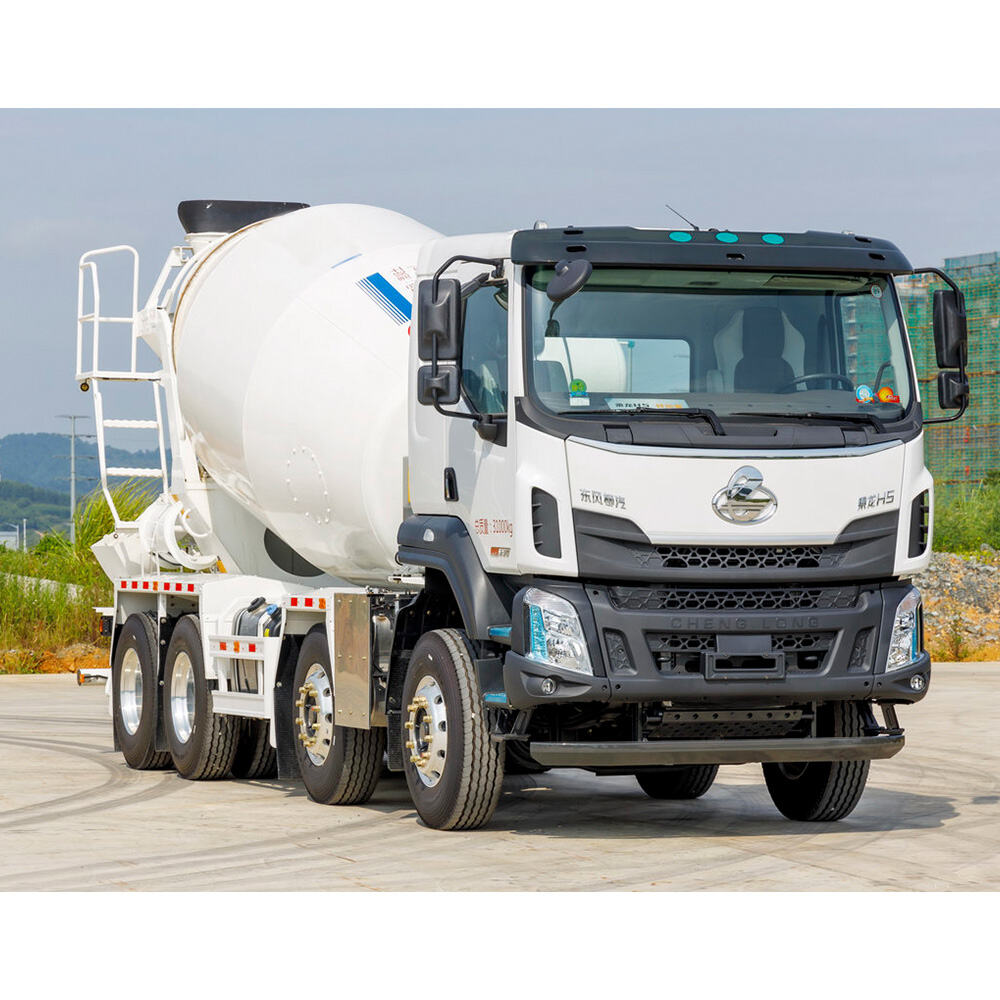
Unmatched Fuel Efficiency and Range for Cross-Country Hauling
Diesel trucks dominate long-haul transport because they maximize every drop of fuel. Their engineering superiority translates directly into fewer stops, lower operating costs, and greater schedule reliability over thousands of miles.
Higher Thermal Efficiency: How Diesel Engines Convert More Fuel into Usable Power
Diesel engines typically reach around 40 to 45 percent thermal efficiency, which is quite a bit better than what we see from gasoline engines at about 25 to 30 percent according to data from the U.S. Department of Energy in 2023. The reason for this difference lies mainly in their design features like those extremely high compression ratios, usually around 16 to 1 compared to just 10 to 1 for gasoline engines. Plus there's something called lean burn combustion going on too. These factors work together to get more actual mechanical power out of the fuel while losing less heat in the process. For practical applications, this means that big rig diesel trucks can transport one ton of cargo for approximately 500 miles on a single gallon of fuel. That kind of efficiency makes it possible for these trucks to make long distance trips across country without needing to stop for gas as often.
Energy-Dense Diesel Fuel: Extended Mileage Per Tank in Long-Distance Transport
A gallon of diesel packs about 138,700 BTUs worth of energy, which is roughly 15 percent more than what we get from regular gasoline. When paired with those standard 300 gallon fuel tanks most trucks come with, and considering the usual fuel efficiency numbers around 6 to 8 miles per gallon, it's no surprise that these diesel engines can run for over 1,000 miles on a single tank. Looking at the other side of things, today's electric semi trucks need anywhere from 3 to 4 hours plugged in just to gain back 200 to 400 miles of driving range. The difference matters a lot in real world operations. Freight companies report being able to cut down their delivery schedules by about 20% when using diesel instead of these newer electric alternatives according to recent studies published by the Transportation Research Board in 2024.
Superior Torque and Towing Capacity for Heavy, Sustained Loads
Low-RPM Torque Advantage: Acceleration and Hill Climbing Without Strain
Heavy duty diesel engines these days hit their maximum torque around 1,200 to 1,600 RPM, sometimes going over 1,000 lb-ft of twist. The fact that this torque comes in at such low RPM means trucks can accelerate smoothly right from a stop and still tackle steep hills even when loaded to the max. Gasoline engines work differently they need to spin much faster to reach their power peaks. Diesels maintain their strength across a wider range so drivers don't have to constantly shift gears or worry about engine temperatures spiking. This matters a lot for those big rigs carrying upwards of 30 thousand pounds through tough mountain terrain where every bit of pulling power counts.
Consistent Power Delivery Under Load: Why Diesel Trucks Excel on Interstates and Gradients
Diesel engines keep their power pretty steady when going up mountains or carrying different weights because of those strong turbochargers that keep the right mix of air and fuel going in, even when the air gets thin at higher elevations. What this means is that the engine doesn't lose strength while climbing for long periods, which makes it easier to control speeds on highways without sudden drops in performance. Truck companies actually see around 18 to 22 percent less breakdowns happening in mountain areas than what they get with gas powered trucks. Fewer unexpected stops translate into better schedules being kept and less worry about things going wrong mid-route through tough terrain.
Proven Durability and Longevity in High-Mileage Diesel Truck Operations
Extended Engine Lifespan: 500,000+ Mile Reliability in Real-World Freight Fleets
Diesel engines have always been known for their toughness. Running at lower RPMs cuts down on mechanical wear by around 30 to 40 percent compared to other engine types. Plus, they come with forged crankshafts, stronger cylinder walls, and those advanced fuel injectors that can handle thousands of hours on the road. Take a look at actual trucking operations across the country and the numbers speak for themselves. About three quarters of diesel rigs hit the half million mile mark without needing big repairs something that happens to less than a quarter of gas powered trucks. Another thing working in favor of diesels is how clean they burn fuel. Less carbon builds up inside these engines so parts stay in better condition longer. Most mechanics will tell you this extends the life of a diesel truck somewhere between five and seven extra years. And when it comes down to dollars and cents for fleet operators, those extended lifespans translate into real money saved. On average, companies spend roughly eighteen thousand dollars less each year per vehicle when using diesel instead of gasoline engines.
Lower Uptime Risk: Maintenance Intervals and Operational Resilience of Modern Diesel Trucks
Today's diesel trucks keep running longer thanks to smarter engineering and maintenance planning. Many models now go between 15k to 25k miles before needing an oil change, which saves time and money. The filters on these rigs are pretty good at keeping out dirt too, cutting down on problems caused by particles in the system by around 90%. Another big plus is the wet sleeve cylinder design that makes repairs easier without having to remove the whole engine block. Combine all this with modern telematics systems that warn operators about needed maintenance up to three weeks ahead of time, and fleet managers can expect their trucks to stay on the road over 98% of the time. This kind of reliability matters a lot during busy shipping periods or when navigating tough mountain passes where breakdowns would be especially costly.
Total Cost of Ownership Advantages for Long-Distance Diesel Truck Fleets
Diesel trucks might cost $7k to $8k more upfront than their gas counterparts, but they actually save money over time for companies that put lots of miles on their vehicles. The biggest expense in long haul trucking is usually fuel, and diesel engines cut this down by about 30 percent because they run hotter and burn denser fuel. These engines also last longer too, often going past half a million miles before needing major work, while requiring maintenance less frequently than gasoline models. For fleet operators who log around 25k miles or more each year, the extra investment pays itself back completely within just three to five years. When looking at all these factors together fuel economy, durability, and how well they handle tough conditions diesel remains the smartest economic option for businesses doing regular long distance shipping across the country.
Frequently Asked Questions
Why are diesel trucks more fuel-efficient for long-haul transport?
Diesel trucks are more fuel-efficient due to their higher thermal efficiency and energy-dense fuel. This means they can convert more fuel into usable power and deliver extended mileage per tank, reducing the need for frequent refueling.
How does diesel engine torque benefit heavy-duty hauling?
Diesel engines provide maximum torque at low RPMs, allowing for smooth acceleration from a stop and the ability to tackle steep hills even when heavily loaded, making them ideal for heavy-duty hauling.
Are modern diesel trucks more reliable than gasoline ones?
Yes, modern diesel trucks are engineered for durability and longevity, experiencing fewer breakdowns and offering extended maintenance intervals, making them more reliable for long-distance operations.