
 EN
EN
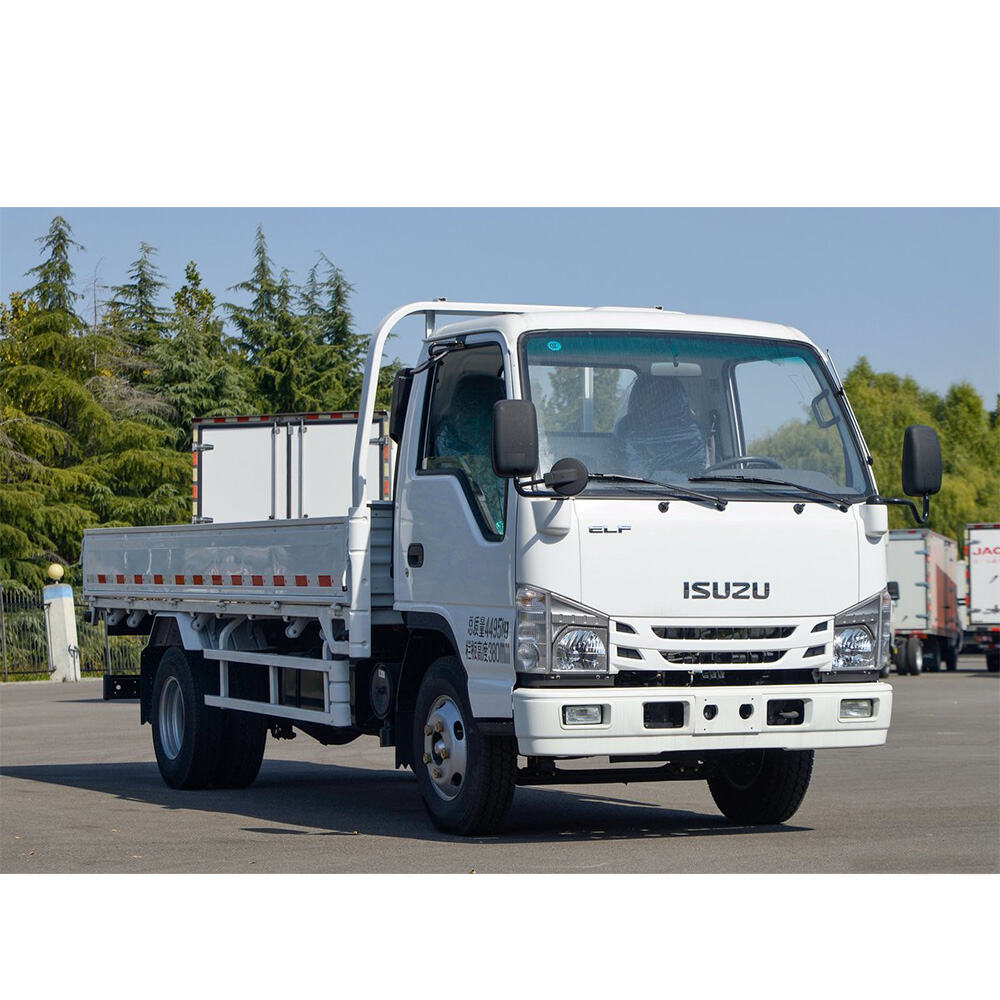
Urban Delivery Challenges: Why Standard Delivery Trucks Underperform in Cities
Congestion, Narrow Streets, and Parking Constraints Limit Traditional Delivery Truck Efficiency
Regular delivery trucks just don't work well in city settings. The streets are too narrow, there aren't enough places to load packages, and those tight corners make driving around really frustrating, especially old parts of town or areas reserved for pedestrians. According to some recent data from the Urban Mobility Report in 2023, big cities see about 72 hours worth of traffic jams each year, which adds roughly 30% extra time needed for deliveries in crowded neighborhoods. When loading spots are hard to find, drivers end up parking on the wrong side of the street all the time. This causes major headaches for traffic and often gets them ticketed by authorities. Bike paths popping up everywhere, extended curbs, and ongoing construction projects only make things worse for getting vehicles through. All these obstacles cut down how much work fleets can actually do, burn through more gas than planned, and ultimately cost companies more money for each package they manage to deliver.
Regulatory Pressures: Low-Emission Zones, Weight Restrictions, and Access Bans
Urban areas across Europe are getting stricter about who can enter their streets as part of efforts to clean up the air and fight climate change. More than 300 cities have set up these low emission zones where old diesel cars get restricted during certain hours in downtown areas. Some places won't let anything heavier than 3.5 tons roll through main business districts anymore. Take London for instance, its Ultra Low Emission Zone has grown so much that around 5 million packages get delivered every day under new regulations. Companies that don't follow the rules face penalties over 200 euros each day they violate them. What does this mean for transport companies? They either need to spend money fixing up old vehicles, buy brand new ones that meet standards, or figure out expensive workarounds involving multiple smaller trucks that actually comply. Logistics folks know now that sticking to these rules isn't just something nice to do but absolutely necessary if they want their routes to stay open.
Key Delivery Truck Selection Criteria for Urban Parcel Distribution
Maneuverability First: Compact Dimensions, Tight Turning Radius, and Driver Visibility
Maneuverability matters a lot in city driving—it's really what determines how efficient vehicles can be on the road. The best urban delivery trucks are generally shorter than 6 meters long and only about 2 meters wide. This size lets them squeeze through alleyways, shared streets, and those old historic corridors where bigger trucks just get stuck. When it comes to making U-turns, having a turning radius under 12 meters makes all the difference, especially in spaces that are sometimes as narrow as 7.5 meters. This becomes super important when drivers need to change routes because of traffic jams or closed streets. What many people overlook is driver visibility too. Trucks with panoramic cabs cut down blind spots by roughly 40 percent compared to regular cabs according to the Urban Fleet Safety Report from 2023. Better visibility means spotting pedestrians, cyclists, and finding those tricky parking spots becomes much easier. All these features work together to eliminate those annoying stop and start situations that waste so much time. Tight turns and narrow roads aren't problems anymore—they actually become advantages for efficient urban deliveries.
Balancing Payload Capacity with Multi-Stop Efficiency and Loading Accessibility
Optimal payload capacity aligns with stop frequency–not maximum volume. For most urban parcel routes, vehicles with 100–200 parcels capacity (under 3.5-ton GVWR) strike the right balance: they comply with weight-based access bans while supporting rapid, high-frequency stops. Key enablers include:
- Low-floor designs (≤0.5m step-in height), cutting loading time by 22 seconds per stop,
- Sliding side doors, enabling curb-side access without blocking traffic,
-
Integrated tail lifts, allowing solo handling of parcels up to 150kg.
Overloading undermines this agility: vehicles exceeding 4m³ per stop increase route completion times by 35%, according to the Metropolitan Logistics Study 2023. Prioritize loading speed, accessibility, and regulatory compliance over raw cubic capacity—fluid multi-drop operations depend on it.
Top Delivery Truck Types for Urban Parcel Logistics
Cargo Vans: Optimal Blend of Agility, Cost, and Urban Footprint
For moving lighter packages around cities, especially those weighing less than 2000kg, cargo vans have become pretty much the go-to solution these days. These vehicles aren't just small but really quite nimble too. Most measure under six meters in length and can turn within about 6.5 meters, which makes them perfect for squeezing down narrow alleys, finding parking in crowded areas, and getting through places where bigger delivery trucks simply can't fit. The money saved on running these vans compared to their larger cousins is pretty impressive too, maybe somewhere around 30-35% cheaper overall. Better gas mileage plays a big part in this, along with fewer breakdowns and the fact they don't trigger most city regulations about weight limits or pollution controls. Drivers love the walk-through space inside that lets them grab packages quickly between deliveries, and those handy side doors mean no need to pull completely over when dropping off parcels. Cities just keep getting more congested, so when speed matters most and regulations start tightening up, there's really nothing quite like a good old cargo van for getting things done right.
Step Vans and Low-Entry Box Trucks: When Higher Payload and Tail-Lift Access Justify Reduced Agility
Step vans and low entry box trucks come into play when dealing with payloads over around 2500kg, which happens frequently in busy commercial areas or at those critical last mile distribution points. These trucks aren't as nimble as regular cargo vans but they offer real advantages for certain operations. The higher cargo space, standing room inside, plus built-in tail lifts make all the difference. Loading packages directly from ground level cuts down on handling time significantly, while those big rear doors let workers handle pallets and larger items without hassle. Drivers actually get to organize packages while driving between stops, which means everything is ready to go when they arrive. Sure, the bigger size does complicate things for route planners who need to watch out for height restrictions and narrow streets. But in situations where carrying capacity matters more than tight turns, these trucks serve as valuable additions alongside smaller urban delivery vehicles rather than trying to replace them entirely.
Future-Proofing Your Fleet: Electric Delivery Trucks and Smart Compliance
EV Delivery Trucks: Meeting Zero-Emission Zone Requirements Without Sacrificing Reliability
Electric delivery trucks aren't just experimental anymore—they're becoming serious workhorses for city deliveries. The latest models can carry as much weight as their diesel counterparts and actually go farther between charges too. Most have batteries that last around 150 miles on a single charge which covers most daily delivery routes across town. Fleet managers love the smart tech built into these trucks that keeps track of battery levels all day long. When the system senses low power, it finds nearby charging spots automatically and even suggests detours so drivers can top up during lunch breaks or other stops. This means no more worrying about running out of juice halfway through the day. Companies operating in places like London and Paris save hundreds of dollars every month by avoiding those expensive pollution fines. Plus they get to drive right into busy downtown areas where traditional trucks would be stuck in traffic jams. Charging stations are popping up everywhere now too. Since 2022 we've seen almost double the number of fast chargers installed throughout cities. Some newer stations can give a truck 80% charge in less than half an hour. All these improvements mean electric fleets are not only meeting regulations but actually giving businesses a real edge over competitors still relying on old-fashioned diesel engines.
FAQ
Why don't standard delivery trucks work well in city settings?
Standard delivery trucks face issues due to narrow streets, lack of loading spots, and obstacles like bike paths and construction, which affect maneuverability and increase delivery times and costs.
What are the regulatory challenges faced by delivery companies in cities?
Delivery companies must navigate low-emission zones, weight restrictions, and access bans, which often require vehicle upgrades or purchasing new compliant vehicles.
What are the key criteria for selecting delivery trucks for urban use?
Key criteria include maneuverability, compact dimensions, tight turning radius, driver visibility, and payload capacity balanced with multi-stop efficiency and loading accessibility.
What are the benefits of using cargo vans for urban delivery?
Cargo vans offer agility, cost savings, and ease of access in congested areas, making them ideal for urban deliveries, especially for lighter packages.
How are electric delivery trucks advantageous for urban logistics?
Electric delivery trucks comply with zero-emission zones, offering cost savings on pollution fines and allowing smooth operation in busy downtown areas, thanks to smart technology and growing charging infrastructure.
Table of Contents
- Urban Delivery Challenges: Why Standard Delivery Trucks Underperform in Cities
- Key Delivery Truck Selection Criteria for Urban Parcel Distribution
- Top Delivery Truck Types for Urban Parcel Logistics
- Future-Proofing Your Fleet: Electric Delivery Trucks and Smart Compliance
-
FAQ
- Why don't standard delivery trucks work well in city settings?
- What are the regulatory challenges faced by delivery companies in cities?
- What are the key criteria for selecting delivery trucks for urban use?
- What are the benefits of using cargo vans for urban delivery?
- How are electric delivery trucks advantageous for urban logistics?