
 EN
EN
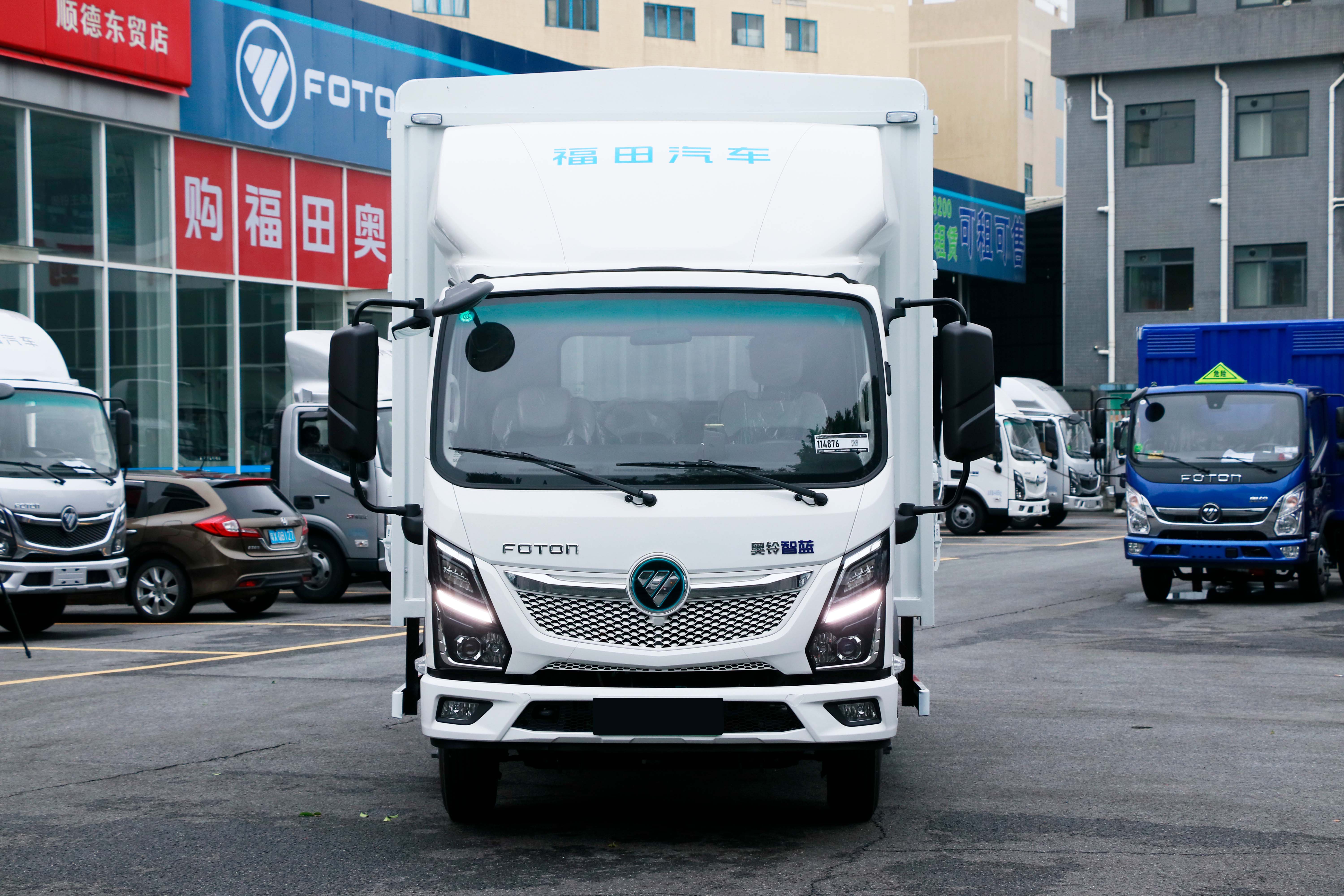
Top Fuel-Efficient Diesel Semi Trucks for Long-Haul Fleets
Freightliner Cascadia Evolution: Aerodynamics and Smart Powertrain Integration
Freightliner's Cascadia Evolution is really pushing the envelope when it comes to getting better mileage out of diesel trucks. They've done some smart work with how air flows around these big rigs. The truck features things like shaped hoods, those little wings on the roof, side panels along the frame, and devices that reduce space between the tractor and trailer. Together, these design elements slash wind resistance by about 15% compared to older models according to SAE tests. When combined with the efficient Detroit DD15 engine, this setup uses GPS maps and terrain info to adjust speed automatically while keeping the engine running at lower RPMs. Drivers report saving around 10% on fuel costs thanks to this tech. Aluminum parts throughout the vehicle plus special tires that roll easier contribute to even better results. Major shipping companies have seen their trucks averaging between 7.2 and 8.1 miles per gallon across different highways, particularly noticeable when going up and down hills repeatedly. To keep all this working well though, regular checks and cleanings of those aerodynamic features become essential maintenance tasks covered in Freightliner's training programs for technicians.
Kenworth T680 Advantage vs. Peterbilt 579: Real-World Fuel Economy Benchmarks
Kenworth's T680 Advantage and the Peterbilt 579 offer different approaches but both deliver excellent diesel efficiency. The T680 has features like an aluminum cab, those sleek bumpers, and those extended sides which help it hit around 7 to 8 miles per gallon during long haul tests. Plus, the automatic transmission is calibrated to reduce energy wasted during shifts. On the other hand, the 579 comes with its own set of tricks including that rounded front end, aerodynamic skirts along the sides, and runs on the PACCAR MX-13 engine optimized for combustion. These trucks manage similar mileage numbers while cutting down idle fuel consumption by about 18%, according to EPA SmartWay checks. When paired with SmartWay certified aerodynamic trailers, both models beat industry averages by roughly 12 to 15%. What really matters though? How drivers operate them. Fleets that train their crews on things like accelerating smoothly, anticipating gears changes, and maintaining consistent speeds see another boost of 4 to 6% in fuel economy. For shorter trips where weight matters, the T680 tends to perform better. But if heading into high altitude areas west of the Rockies, most operators prefer the 579 because it handles heat better and maintains torque at higher elevations.
Emerging Electric Semi Trucks: Efficiency Metrics and Operational Realities
Tesla Semi: MPGe Claims, Charging Infrastructure Constraints, and Payload Trade-offs
Tesla claims their Semi can go around 500 miles on a single charge when tested under perfect conditions according to the 2024 EPA standards. The MPGe numbers show it uses about 2.5 times less energy compared to regular diesel trucks. But things get complicated once these trucks hit actual roads. The heavy batteries cut down what they can carry by roughly 15 to 20 percent, which matters a lot for companies that bill based on weight or cargo space. Charging stations need special 750V equipment, but there are only about 200 such places across the country right now, according to the U.S. Department of Energy data from 2024. Even then, getting to 80% charge takes about 45 minutes, which is almost three times slower than filling up a diesel tank. This extra time adds up especially bad for routes that need quick turnarounds between coasts. The savings look good paper-wise at around $0.25 per mile saved on fuel costs, but whether this makes financial sense depends heavily on how the truck is used day to day. Companies that have tried them first found best results on shorter trips within 300 miles where they can charge at their own depots regularly.
Volvo VNL Electric and Navistar eMV Series: Regional Duty Cycles and Energy Recovery Benefits
When looking at regional hauls covering less than 250 miles, particularly those involving city deliveries, port operations, and warehouse distributions, electric trucks like the Volvo VNL Electric and Navistar eMV Series are showing real promise in terms of getting the job done efficiently and reliably. These vehicles come equipped with regenerative braking technology that manages to capture around 25 to 30 percent of the energy normally lost when slowing down, which makes a noticeable difference in overall energy consumption during all those frequent stops and starts typical in urban areas according to a recent field study by Volvo Trucks North America back in 2023. The latest improvements in battery thermal management have also made these trucks much better suited for colder climates, maintaining over 85% of their advertised range even when temperatures drop below freezing at minus 20 degrees Fahrenheit something that used to be a major obstacle for adopting electric vehicles in northern regions. Smart routing software helps drivers find Level 3 charging stations close to distribution centers so they can top up while loading or unloading cargo. There is definitely something to consider regarding payload capacity though both electric models currently carry approximately 10% less weight compared to traditional diesel trucks, meaning fleet managers need to carefully plan their loads if they want to maintain profitability per trip. Despite this limitation, research conducted by CALSTART indicates that most companies will reach a financial breakeven point between four and six years after switching to electric trucks, provided they operate them extensively on regular routes covering over 120,000 miles annually.
Critical Design and Operational Factors That Maximize Semi Truck Fuel Efficiency
Aerodynamics, Trailer Matching, and Driver Behavior Impact on MPG
At highway speeds, aerodynamic drag makes up more than half of what vehicles consume in terms of energy according to SAE International from 2022. To cut down on this resistance, companies need to look at their entire cab-trailer setup. Things like roof fairings, side skirts along the chassis, those gap reducers between trailers, and boat-tail extensions can bring down drag coefficients significantly, sometimes as much as 25%. And that translates into better miles per gallon across the board. Getting the trailer aligned properly matters too. When there's a gap bigger than two inches between the truck's roof and the trailer top, it causes turbulence that wastes fuel, maybe around 3 to 7 percent based on SmartWay data. But even with all the right equipment installed, drivers still play a big role. Their habits account for roughly 30% of how much fuel gets burned. Drivers who avoid flooring the accelerator, keep speeds below 65 mph whenever possible, and make good use of cruise control see improvements anywhere from 10 to 20%. Companies implementing training programs for their fleets that include real time tracking information have managed to slash idle times by nearly a third. That means saving about three quarters of a gallon every hour that engines run unnecessarily.
Engine-Transmission Pairings: Cummins X15 Efficiency vs. Detroit DD15 and PACCAR MX-13 Optimizations
Today's powertrain systems don't work in isolation but function as finely tuned packages. Take the Cummins X15 Efficiency Series paired with Eaton Endurant HD automatic manual transmissions (AMTs). These setups keep engines running in their sweet spot between 1,500 and 1,700 RPMs, knocking around 8% off fuel consumption compared to older models according to field tests from Cummins in early 2024. Detroit's DD15 engine works hand in glove with the DT12 auto transmission for genuine downspeeding capabilities. At highway speeds of 65 mph, these rigs cruise along at just 1,100 RPM while still getting better highway mileage by about 5%. PACCAR has been pushing boundaries too with their MX-13 engine featuring custom thermal control systems and variable geometry turbos that really shine when dealing with different load conditions. Especially noticeable during city driving with frequent stops and starts, this setup cuts fuel usage roughly 6% below standard specs. Looking at the bigger picture, AMTs across the board beat manual gearboxes hands down, hitting ideal shift points about 98% of the time per research from American Transportation Research Institute last year. This means no more energy waste from poor timing and generally around 12% fewer losses through the drivetrain overall.
FAQ
What makes the Freightliner Cascadia Evolution fuel-efficient?
The Freightliner Cascadia Evolution saves fuel through aerodynamic designs such as shaped hoods, roof wings, and side panels, which decrease wind resistance. Coupled with the Detroit DD15 engine, this setup helps improve fuel efficiency by around 10%.
How do electric semi trucks compare to diesel in terms of efficiency?
Electric semi trucks like the Tesla Semi are more efficient in terms of energy use, with claims of using about 2.5 times less energy than diesel trucks. However, factors such as payload capacity and charging infrastructure currently pose challenges for their widespread adoption.
Which is more effective, the Kenworth T680 or the Peterbilt 579, for fuel economy?
Both the Kenworth T680 and Peterbilt 579 perform well in terms of fuel economy, achieving around 7 to 8 miles per gallon. They have different features, but real-world results show similar efficiency levels. Driver training on optimizing driving habits can lead to additional savings between 4 to 6%.
What design factors are crucial for improving semi truck fuel efficiency?
Aerodynamic designs like roof fairings, side skirts, and gap reducers significantly reduce drag. Additionally, regular alignment between the tractor and trailer as well as driver habits play a big role, contributing to roughly 30% of fuel savings.