
 EN
EN
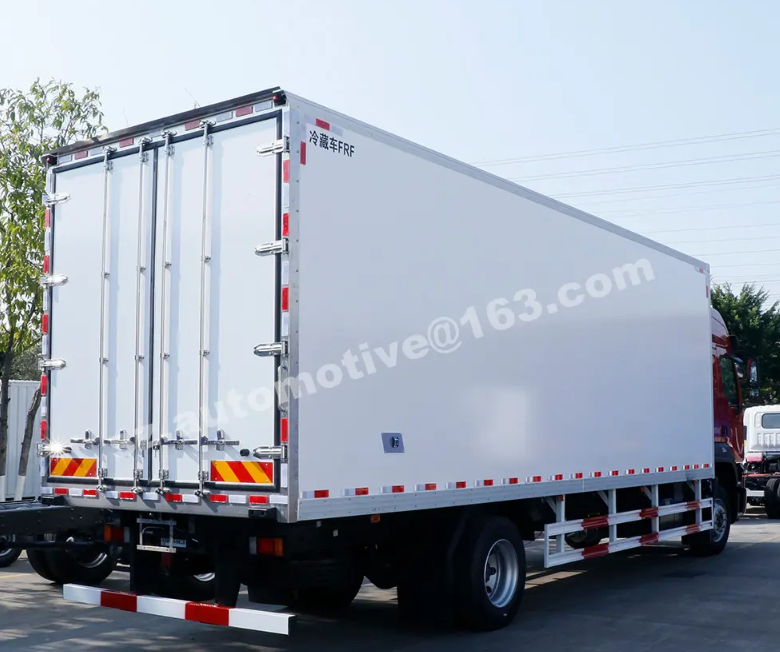
Why XPS Insulation Delivers Exceptional Longevity in Refrigerated Box Applications
Molecular Stability and Closed-Cell Structure Resist Degradation
XPS insulation keeps performing well in refrigerated boxes because of how stable it stays at the molecular level and its specially designed structure. Unlike other organic insulations that break down when exposed to extreme temps, XPS maintains its integrity from super cold -40 degrees Fahrenheit all the way up to 165 degrees. The way it's manufactured creates a uniform closed cell structure with almost no gaps for air to escape, which makes it really good at keeping moisture out. This matters a lot in humid transportation settings where water getting into insulation can cut its effectiveness by as much as 40% in weaker materials. Tests following ASTM C165 standards show XPS can handle compression forces exceeding 6,000 pounds per square foot without lasting damage. That means it stands up to regular wear and tear from cargo bumps, heavy stacking during transport, and the constant bending panels experience on the road.
Real-World Validation: 12-Year Field Performance in Refrigerated Truck Bodies
Fleet operators’ longitudinal data affirms XPS’s real-world durability: refrigerated truck bodies insulated with XPS show less than 3% thermal degradation after 12 years of daily operation across varied climates—from humid coastal routes to arid desert corridors. This resilience stems from three core attributes:
- Thermal cycling stability: Maintains dimensional integrity through 20,000+ freeze-thaw cycles without measurable warping or shrinkage
- Chemical resistance: Withstands repeated exposure to food-grade acids, sanitizers, and alkaline cleaning agents without surface erosion or cell wall compromise
- Mechanical fatigue resistance: Retains compressive strength despite continuous low-frequency vibration from road transport
Additionally, XPS production scrap is fully recyclable into new board stock—a feature embedded in major manufacturers’ closed-loop programs, extending material utility beyond initial installation.
Quantifying Service Life: Lab Data and Industry Consensus for Refrigerated Box Use
Accelerated Aging Tests Show <2% R-Value Loss Per Decade
According to ASTM C1303 accelerated aging tests that NIST has endorsed and which appear in ASHRAE Handbook Chapter 27, XPS insulation loses less than 2% of its R-value every ten years. The standard test puts insulation through intense heat and humidity conditions that simulate about twenty years worth of real world exposure but completes it all in just six months. What makes XPS so durable? Its hydrophobic nature and tightly packed cells trap those stable hydrocarbon blowing agents like isopentane pretty effectively. This means less gas escapes over time and the material stays thermally stable. Refrigerated box operators really benefit from this kind of performance since they get consistent results with minimal degradation. Temperature control becomes much more reliable and their refrigeration systems don't have to work as hard in the long run.
30–50-Year Lifespan Under Controlled, Moisture-Free Conditions
Most experts agree that XPS insulation can last between 30 to 50 years inside refrigerated containers if properly installed in sealed systems where moisture is controlled. Think about those fully bonded trailer panels with good gaskets as prime examples. When tested under these ideal conditions according to ISO 10456 standards, independent tests show XPS keeps over 95% of its initial thermal resistance even after three decades. The reason? Simply put, XPS doesn't absorb water and maintains its structural integrity without needing special additives or protective coatings. To get this kind of performance though, installers need to seal all joints carefully, maintain continuous vapor barriers throughout, and be mindful not to damage the material during setup. Follow these basic guidelines and XPS stands out as one of the most durable options available for cold storage applications compared to other rigid foam insulations on the market today.
Critical Factors That Reduce Actual Service Life in Real-World Refrigerated Box Environments
Moisture Intrusion and Thermal Bridging at Panel Joints
The number one reason XPS insulation breaks down before it should isn't actually because the material itself fails, but rather due to problems during installation. When the joints between refrigerated box panels aren't properly sealed, two big issues start happening at once. First, moisture gets inside, which pushes out the insulating gases and weakens the cell structure. Second, this water can reduce the R-value by over 30% if it stays trapped in the panel core. At the same time, metal frames that run uninterrupted or fasteners that weren't adequately insulated become thermal bridges. According to research from ASHRAE project RP-1523, these thermal bridges account for about 15 to 25 percent of all heat gain in older units. The result? Refrigeration compressors have to work harder and cycle more often, which wears down both the cooling equipment and the points where insulation meets other materials.
Cyclic Sub-Zero Thermal Stress and Mechanical Fatigue
XPS performs well when things stay consistently cold, but problems start showing up when there are repeated cycles below freezing temperatures. The constant freezing and thawing creates different rates of contraction across XPS material, metal skins, and the adhesive used to hold everything together. This mismatch concentrates all sorts of strain right around those fasteners and along panel edges. What happens over time? Micro fractures form, materials get permanently compressed, and layers begin to separate from each other. A study back in 2018 looked at this issue closely. They tested XPS panels subjected to -20 degree Celsius cycles and found something concerning: after just seven years these panels had lost about 11% of their original strength. That's why good engineers need to think about how loads change dynamically when designing systems for cold environments. Thermal shocks don't just break things apart inside either. The heat changes actually weaken the glue holding XPS cores to their protective outer layers, leaving edges exposed to wear and tear, water getting sucked in, and eventually peeling away completely.
XPS vs. Polyurethane: Long-Term Performance Trade-Offs for Refrigerated Box Insulation
Choosing insulation for cold storage boxes isn't simply picking between XPS and polyurethane (PUR). These materials actually work better together than as direct substitutes. Polyurethane gives much better thermal resistance right out of the box, typically around R-7 to R-8 per inch thick. That makes PUR great for areas where temperature control is critical, especially when building walls or roofs where every inch counts against tight spaces. But here's the catch: PUR comes with a hefty price tag, usually costing 60 to 80 percent more than XPS. And there's another issue nobody talks about much but matters a lot in real world applications. Moisture really affects PUR performance. Cut edges or even minor damage to the outer layer can let humidity sneak in, causing those impressive R-values to drop off quickly in damp conditions.
Compared to other options, XPS offers a somewhat lower starting R-value around R-5 per inch, but makes up for this with much better moisture resistance, stronger compressive strength going all the way up to 25 psi, and excellent dimensional stability. These qualities make XPS the go to material for areas that take a beating day in and day out like floors, door sills, and similar spots where both weight and exposure are concerns. The reason behind this performance lies in its closed cell structure which stops water from creeping through tiny channels and holds up against getting soaked over time. This gives XPS an edge over open cell PUR versions and beats even some closed cell PUR products when it comes to keeping water at bay.
Top trailer manufacturers like Wabash National and Great Dane have found that mixing materials works best for getting good performance over time. They typically put PUR foam in parts of the trailer where heat control matters most, while using XPS foam in areas that get wetter or need extra structural support. Tests done under accelerated aging conditions according to ASTM C1303 standards show both types of insulation keep at least 95% of their original R-value rating after about 15 years when kept in dry lab settings. But what we see out there in actual refrigerated boxes tells another story. XPS seems to hold up better in real world situations where things like moisture buildup, accidental impacts, and constant temperature changes happen all the time.
FAQ Section
What makes XPS insulation suitable for refrigerated boxes?
XPS insulation is suitable for refrigerated boxes due to its molecular stability and closed-cell structure, which resist moisture and provide excellent compressive strength to withstand transport stresses.
How long can XPS insulation last in refrigerated environments?
Under controlled, moisture-free conditions, XPS insulation can last between 30 to 50 years, maintaining most of its initial thermal resistance over decades.
What are the challenges XPS insulation faces in real-world applications?
XPS insulation faces challenges like moisture intrusion, thermal bridging due to improper sealing, and cyclic sub-zero thermal stress leading to mechanical fatigue.
Is XPS better than Polyurethane for refrigeration boxes?
Both have their advantages: XPS offers better moisture resistance and stability, while Polyurethane provides higher initial thermal resistance. Many manufacturers use both to optimize performance.
Table of Contents
- Why XPS Insulation Delivers Exceptional Longevity in Refrigerated Box Applications
- Quantifying Service Life: Lab Data and Industry Consensus for Refrigerated Box Use
- Critical Factors That Reduce Actual Service Life in Real-World Refrigerated Box Environments
- XPS vs. Polyurethane: Long-Term Performance Trade-Offs for Refrigerated Box Insulation
- FAQ Section