
 EN
EN
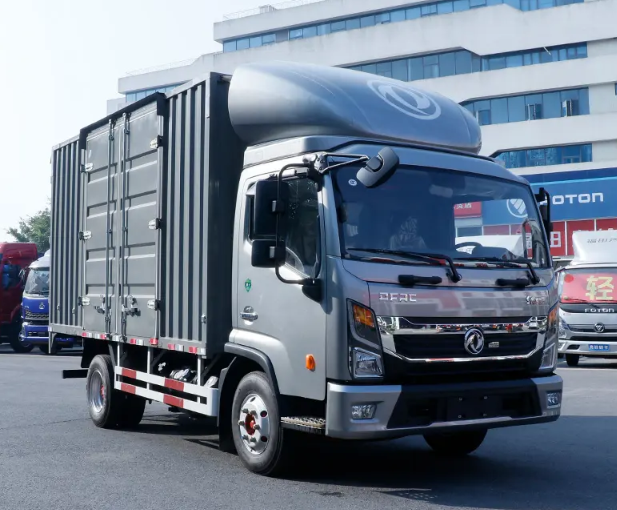
Why Refrigeration Reliability Is the Defining Factor for Reefer Box Truck Performance
The refrigeration system on a reefer box truck is much more than just another part of the vehicle. It literally keeps the whole operation running when transporting perishables. When those Transport Refrigeration Units (TRUs) go down, temperatures inside the truck start drifting almost immediately. This puts everything at risk from delicate medicines to fresh fruits and frozen items. The situation gets really bad in places like India where summer heat routinely hits over 45 degrees Celsius. And don't even get me started on the monsoon season when humidity levels shoot past 80%. These conditions make any flaws in thermal efficiency absolutely catastrophic for food safety. Just one equipment failure during transit means losing thousands worth of cargo, sometimes an entire load gets ruined.
The money side of things gets pretty bad when we talk about refrigeration failures. On average, each incident costs around $740,000 according to the Ponemon Institute from last year. But it's not just about losing cash upfront either. When cold chains break down repeatedly, companies end up breaching contracts they signed with clients. Shippers start losing faith because their products keep getting spoiled during transport. And there are serious legal risks too. Operators face fines and other penalties, particularly in industries like pharmaceuticals and medical supplies where strict rules apply. The World Health Organization has these Good Distribution Practices that everyone must follow, plus Indian regulations under the Drugs and Cosmetics Act make compliance even trickier for logistics providers working in those sectors.
Reliability begins with engineering rigor—not just maintenance. The most resilient reefer box trucks integrate three foundational thermal safeguards:
- Insulation integrity: High-density polyurethane panels (100 mm thick) with zero thermal bridging prevent ambient heat infiltration during peak summer loads
- Sealing performance: Dual-lip door gaskets and magnetic threshold seals eliminate cold-air leakage—even after 10,000+ cycles
- Compressor redundancy: Dual-circuit TRUs with independent evaporators maintain setpoint temperatures during partial failure
Without these, even premium TRUs underperform under real-world stress. Proactive maintenance extends unit lifespan by 40%, but true reliability is built—not bolted on.
Comparative Reliability of Refrigeration Systems by Reefer Box Truck Brand
When selecting a reefer box truck, refrigeration reliability directly impacts cargo integrity across temperature-sensitive supply chains. Leading manufacturers prioritize distinct engineering approaches to thermal management—with measurable performance differences in real-world operations.
European Brands: Integrated Thermal Management and Factory TRU Calibration
In Europe, manufacturers build Thermal Regulation Units right into the vehicle chassis from day one instead of bolting them on later. They rely on their own special thermal management systems that get fine-tuned at the factory before shipping. The whole system works together like clockwork, connecting refrigeration controls with engine performance metrics and vehicle telemetry data. This setup really helps keep things cool when doors are constantly opening and closing, which makes all the difference for transporting sensitive medicines or expensive perishables that can't afford even small temperature fluctuations. According to recent testing by independent labs, these built-in European TRUs stay within a half degree Celsius range about 8 out of 10 times across different climate scenarios. That translates to roughly 32% fewer failures than what happens with those after-market installations we see so often (as reported in Cold Chain Technology Report last year).
Japanese Brands: Heat-Humidity Resilience and Cost-Effective TRU Integration
When it comes to handling tough tropical climates, Japanese engineers really focus on building systems that can stand up to the heat and humidity. Their transport refrigeration units come equipped with special evaporators that resist corrosion and compressors that work in multiple stages. These compressors actually change how much cooling they provide depending on what the humidity sensors detect right then and there. What this means is no more ice forming inside when those heavy monsoon rains hit, keeping the humidity below 60% inside cargo areas even when outside temperatures reach scorching 40 degrees Celsius according to a study from Global Logistics Efficiency back in 2024. Another great thing about these systems? They use around 15 percent less energy compared to what most others in the industry manage. That makes them particularly good choices for moving perishable goods across farms or delivering stuff around cities where controlling costs while maintaining proper humidity levels matters most.
Key TRU Technologies That Directly Impact Reefer Box Truck Refrigeration Reliability
Compressor Type and Serviceability: Diesel vs. Electric TRUs in Indian Operating Conditions
The choice of TRU compressor really affects how reliable these systems are when operating throughout India's varied environments. Most long-distance hauls still rely on diesel engines because they can run for ages without refueling and handle the brutal heat we see regularly above 45 degrees Celsius. But there's a catch - those same diesel units need their air and fuel filters changed every three months in areas where dust gets everywhere. Electric TRUs definitely cut down on pollution in city areas, but they struggle badly when the power supply jumps around more than plus or minus 15%. This happens all the time in smaller towns and cities outside the major metropolitan areas, which tends to fry both inverters and compressors over time. Service options also differ quite a bit. With diesel models, mechanics can usually fix problems right on the side of the road if someone knows what they're doing. Electric versions typically need factory-trained specialists though, which means longer wait times when transporting perishable goods between cities.
Temperature Stability Specifications and Real-World Perishable Cargo Integrity
The performance of TRU really depends on keeping temperatures stable within a tight range of plus or minus 1 degree Celsius, even when doors open and close, sunlight comes through windows, or outside temperatures fluctuate. If things get too warm, just going over 3 degrees Celsius can ruin about one fifth of all temperature sensitive medicines according to World Health Organization data from last year. Modern cold chain solutions bring together several technologies these days. They use variable speed compressors alongside smart airflow management systems powered by artificial intelligence. These help manage sudden increases in humidity during rainy seasons. There are also sensors placed at individual pallet levels that spot early signs of melting in seafood transport containers. The problem gets serious fast when frozen protein products sit at minus 12 degrees instead of the needed minus 18 degrees Celsius. Bacteria start multiplying rapidly under those conditions. That's why backup cooling systems have become absolutely necessary in recent years. Industry reports show that problems with single point failures account for nearly three quarters of all temperature deviations during transportation.
Maintenance Practices and Climate Adaptation Strategies to Maximize TRU Lifespan
Preventive Maintenance Protocols Proven to Extend Refrigeration Unit Life by 40%
Rigorous preventive maintenance extends TRU lifespan by 40% and reduces costly reefer box truck downtime. Fleets achieving 92% first-attempt delivery success for perishables—versus the industry average of 78%—consistently apply these evidence-based protocols:
- Bi-weekly condenser coil cleaning in high-dust regions prevents airflow blockage and reduces compressor strain
- Monthly refrigerant pressure calibration maintains temperature stability within ±0.5°C—critical for GDP-compliant pharma shipments
- Quarterly electrical system diagnostics identify early-stage corrosion, especially in coastal or high-humidity zones
- Biannual door gasket replacement, not repair, preserves thermal integrity and avoids cumulative cold-air leakage
Adapting equipment to local climates makes all the difference when it comes to lasting performance. Tropical areas need automatic drain valves and humidity sensors installed because moisture buildup causes about one quarter of all TRU component failures. When dealing with cold chain logistics during those brutal winter months in northern India where temperatures drop below freezing, synthetic lubricants become essential along with engine block heaters that keep fluids from thickening up and stopping compressors dead at minus 30 degrees Celsius. Beyond simply making machines last longer, these climate adjustments protect valuable goods being transported, maintain business agreements, and ultimately guard against damage to company reputations that can take years to rebuild after a single failure incident.
FAQ Section
What happens if the refrigeration system fails on reefer box trucks?
If the refrigeration system fails, temperatures inside the truck can rise quickly, risking spoilage of perishable goods like medicines, fruits, and frozen items.
Why is engineering rigor important for refrigeration reliability in reefer trucks?
Engineering rigor ensures foundational thermal safeguards like insulation integrity, sealing performance, and compressor redundancy are built into the truck, enhancing reliability even under real-world stress.
How do European and Japanese brands differ in their refrigeration systems for reefer trucks?
European brands integrate thermal management directly into the vehicle chassis with fine-tuning, resulting in fewer failures. Japanese brands focus on heat-humidity resilience and cost-effective integration, using less energy and maintaining proper humidity levels.
What are the service challenges between diesel and electric TRUs in India?
Diesel TRUs require regular maintenance to cope with high temperatures and dust, while electric TRUs struggle with voltage fluctuations in smaller towns, requiring factory-trained specialists for repairs.
How can preventive maintenance protocols extend the life of TRUs?
Protocols like bi-weekly condenser coil cleaning and monthly refrigerant pressure calibration can extend TRU lifespan by 40%, ensuring temperature stability and reducing downtime.
Table of Contents
- Why Refrigeration Reliability Is the Defining Factor for Reefer Box Truck Performance
- Comparative Reliability of Refrigeration Systems by Reefer Box Truck Brand
- Key TRU Technologies That Directly Impact Reefer Box Truck Refrigeration Reliability
- Maintenance Practices and Climate Adaptation Strategies to Maximize TRU Lifespan
-
FAQ Section
- What happens if the refrigeration system fails on reefer box trucks?
- Why is engineering rigor important for refrigeration reliability in reefer trucks?
- How do European and Japanese brands differ in their refrigeration systems for reefer trucks?
- What are the service challenges between diesel and electric TRUs in India?
- How can preventive maintenance protocols extend the life of TRUs?