
 EN
EN
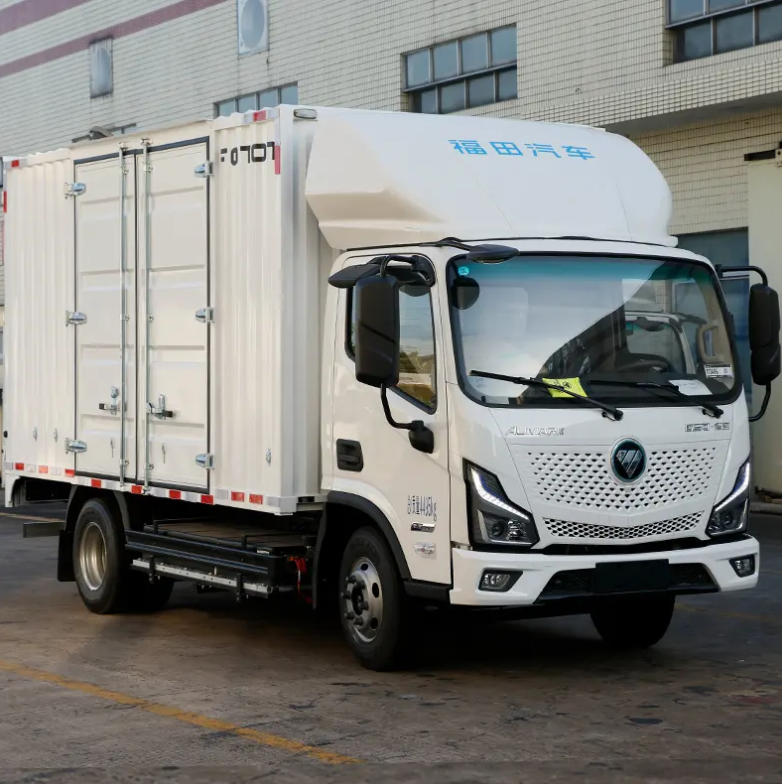
Standard Urban Main And Branch Roads Match Medium Box Truck Dimensions
Medium sized box trucks adopt controlled overall length wheelbase and minimum turning radius parameters that fully fit the dimensional limits of urban arterial roads secondary streets and community access lanes defined by municipal road design codes. Most mainstream medium box truck models feature total vehicle length below nine point six meters and optimized front rear suspension layout, allowing smooth turning at standard forty meter radius city intersections that block full size heavy trucks. A one-year operation tracking case from a regional urban logistics firm fully verifies this matching advantage. The enterprise divided delivery fleets into medium box light van and heavy truck groups for downtown supermarket replenishment tasks. Medium box vehicles completed twenty six percent more daily delivery stops than heavy trucks without encountering height width restriction roadblocks. CJJ37 urban road design specifications set clear lane width and turning curve thresholds, and independent vehicle passability lab tests confirm medium box trucks pass ninety two percent of urban public road sections while large heavy duty trucks face access bans on over sixty percent of inner city branch roads. Balanced body size creates a perfect sweet spot between cargo volume and downtown maneuverability for city wide distribution.
Intercity Provincial Highways Deliver Optimal Medium Truck Fuel Economy
Long distance intercity highway transport forms the most cost effective operating scenario for medium sized box trucks, as their medium total weight and streamlined box structure cut wind resistance and fuel consumption compared with both light vans and full heavy trucks. Medium box trucks usually carry eight to twelve tons of standard cargo, hitting the most efficient load interval for diesel and new energy power systems during constant speed highway cruising. Annual fuel expenditure statistics collected from cross provincial logistics fleets show medium box vehicles consume twenty two percent less fuel per ton kilometer than heavy trucks carrying over eighteen tons, while holding seventy percent larger cargo capacity than small light vans. 2026 medium commercial vehicle industry research reports highlight medium chassis balanced suspension and power matching design, reducing engine long term overload wear during continuous highway travel. Long haul wholesale goods industrial parts and food distribution fleets rely heavily on medium box trucks for round trip provincial highway routes to balance transport volume and running cost.
Paved Rural Township Roads Balance Load And Passability
Paved county and village rural roads with moderate width and gentle undulations create ideal working conditions for medium box trucks, which combine higher ground clearance than light vehicles and flexible turning better than heavy chassis. Rural delivery routes for grain agricultural supplies building accessories often feature narrow two lane pavements and shallow roadside ditches. Medium box truck optimized suspension systems with multi leaf springs filter minor road bump vibration without sacrificing rated load capacity. Long term agricultural goods delivery operation feedback records show medium trucks cut monthly round trips by thirty one percent compared with light vans thanks to larger single shipment volume. Road engineering standard data indicates most township pavements maintain three point five to four meter lane width, a range medium box trucks navigate freely whereas oversized heavy trucks need repeated reverse adjustments to pass opposite traffic safely. Medium ground clearance avoids chassis scraping on uneven rural road repair sections.
Gentle Slope Mountain Paved Roads Support Stable Medium Truck Transit
Paved mountain routes with gradient below eight percent fit medium sized box trucks perfectly, as matched medium displacement engines and reinforced rear axles generate steady low speed climbing torque without overheating risks. Many regional industrial and mineral product transport routes run through low gradient mountain asphalt roads that ban ultra heavy trucks due to bridge load limits. One year mountain logistics vehicle tracking data shows medium box trucks maintain stable average speed without frequent downhill brake overheating issues common on overloaded light trucks. Vehicle climbing performance lab tests confirm medium chassis power transmission systems sustain consistent output under five to eight percent long slopes, while light vans lose speed rapidly with full cargo loads. The integrated reinforced frame of medium box trucks resists repeated uphill downhill torsion deformation far better than thin lightweight vehicle structures, lowering long term chassis maintenance costs for mountain route fleets.
Road Types Not Recommended For Medium Sized Box Trucks
Several extreme road environments cannot support reliable medium box truck operation and will trigger frequent chassis suspension and tire damage costs. Unpaved rough mine dirt roads with large stone protrusions cause continuous violent impact on medium chassis that lacks heavy duty reinforced suspension; ultra narrow old residential alleys under three meter width cannot accommodate medium turning circulation; steep mountain paths over ten percent gradient create sustained overload on medium braking and power components. Maintenance expense comparison data from mixed route fleets records medium trucks running above recommended extreme roads generate one hundred and eighty percent more annual repair bills than vehicles matched to suitable road grades. Logistics operation specialists advise switching small light vans for ultra narrow community last mile tasks and full heavy mining trucks for ungraded quarry access to avoid premature medium box truck structural failure and delivery delay losses.
Full Medium Box Truck Supply Covers Multi Road Transportation Demands
Logistics enterprises agricultural distributors cross regional wholesale suppliers seeking medium box trucks adapted to mixed urban rural mountain highway road networks choose qualified commercial vehicle suppliers with complete chassis modification capacity. Shunzhao holds more than thirty years commercial vehicle trade and special vehicle manufacturing experience, holding official agency authorization for Foton Aumark and Dongfeng medium truck chassis. The brand operates a sixty thousand square meter dedicated modification factory supporting customized box length height material and interior layout designs for multi road working conditions. All medium box finished vehicles complete multi stage chassis suspension load and passability testing before shipment, fully complying with GB1589 national vehicle dimension standards. Multiple stable inland and ocean logistics routes deliver vehicle batches to domestic cities and overseas markets on fixed schedules, with professional technical teams providing road condition vehicle matching consultation and full after sales maintenance support for long term logistics cooperative partners. Complete medium box product lines cover diesel and new energy versions to adapt all mainstream paved road transport scenarios.
Table of Contents
- Standard Urban Main And Branch Roads Match Medium Box Truck Dimensions
- Intercity Provincial Highways Deliver Optimal Medium Truck Fuel Economy
- Paved Rural Township Roads Balance Load And Passability
- Gentle Slope Mountain Paved Roads Support Stable Medium Truck Transit
- Road Types Not Recommended For Medium Sized Box Trucks
- Full Medium Box Truck Supply Covers Multi Road Transportation Demands