
 EN
EN
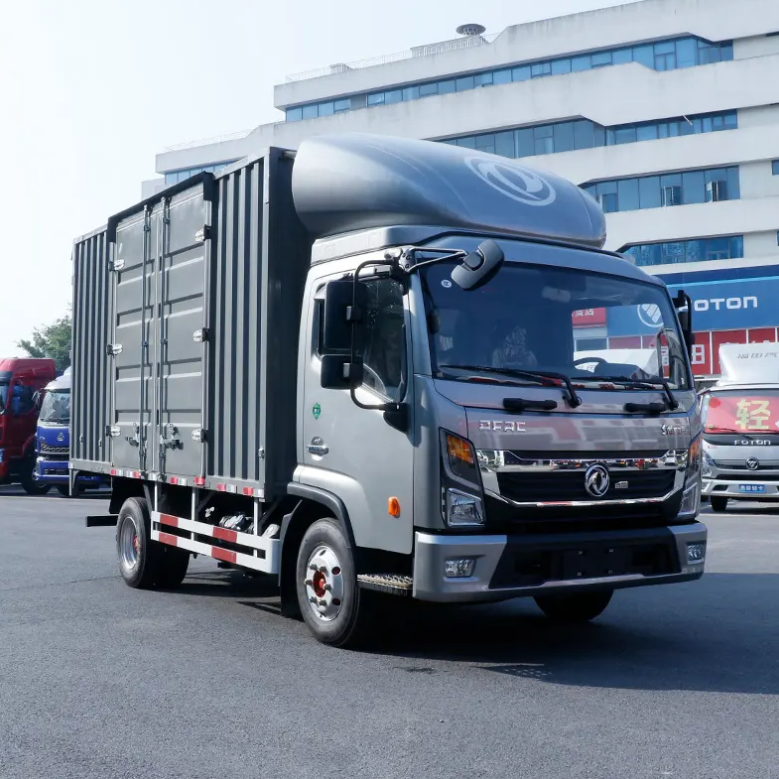
The Operational Lens for Electric Transition
A fleet manager in a busy metropolitan area starts a typical day staring at a routing screen. Deliveries are clustered within a forty-mile radius, traffic patterns are brutally predictable, and the nightly return-to-base routine is mandatory. This specific context, characterized by high frequency and fully controllable daily cycles, is where the electric box truck moves from being an idealistic concept to a hard-nosed operational tool. The decision to electrify a short-distance fleet is rarely driven purely by environmental branding. It is usually triggered by a convergence of rising fuel volatility and the punishing maintenance schedules of internal combustion engines that idle for hours each day. The logic is simple: a predictable, closed-loop route eliminates the primary anxiety around range and gives a logistics planner the confidence to capitalize on a powertrain with far fewer moving parts. This is not about chasing a trend. It is about matching a proven technology to the specific, repeatable rhythm of your daily operations.
Decoding the Powertrain and Energy System
The technical heart of the decision rests in the battery chemistry and motor configuration, but these need to be judged by their practical narrative, not just a spec sheet. For the relentless stop-and-go cycle of urban delivery, the shift toward Lithium Iron Phosphate, commonly referred to as LFP, is a defining technical consensus. The argument is one of total lifecycle resilience. A system designed around LFP can often endure several times the charge-discharge cycles compared to other lithium-ion variants without degrading to a point of operational uselessness. This matters because a box truck is a capital asset expected to work for years. The energy density debate, while valid for passenger cars chasing maximum miles, is secondary here to thermal stability and long-term endurance. Paired with a liquid-cooled battery management system that actively prevents cells from cooking during a fast charge on a hot afternoon, the technology prioritizes uptime. The motor itself, whether a permanent magnet synchronous unit or an asynchronous design on the axle, dictates the feel of the torque delivery. The goal is seamless power from a standstill without the jerky downshifts that fatigue a driver on a multi-stop run. The entire energy system must be viewed as a cohesive unit where battery chemistry, cooling logic, and motor control software are tuned for the brutality of constant acceleration and deceleration, a test that quickly exposes any engineering shortcuts.
The Strategic Advantage of Vehicle Architecture
The chassis architecture is what translates a battery pack’s potential into actual earning capacity. A traditional truck retrofitted with a battery might sacrifice cargo space or force an uncomfortably high center of gravity. The more rigorous approach, seen in modular skateboard platforms, integrates the battery mass low between the frame rails. This design outcome delivers tangible safety benefits, reducing body roll on corners and crosswind sensitivity, which is critical when navigating narrow urban streets. Furthermore, the relationship between the cab and the cargo box is a factor often overlooked until it hits the profit margin. A design that achieves a tight turning radius without elongating the wheelbase excessively allows for a larger cargo volume on a smaller vehicle footprint. In practice, this means a driver can maneuver a high-capacity box into a loading dock designed decades ago for much smaller vans. This vehicular efficiency is about volumetric optimization, the art of giving a logistics operator the maximum cubic meters of load space for every centimeter of vehicle length, without compromising the driver’s sightlines or the structural integrity of the chassis. The integration level between the chassis supplier and the body builder is what ultimately determines if the truck feels like a cohesive tool or a compromised prototype.
Calculating the Genuine Value Proposition
Moving the analysis from technology to the balance sheet requires a transparent look at total cost of ownership, stripping away the marketing hype. The most immediate operational relief comes from the drivetrain’s simplicity. The elimination of diesel particulate filters, transmission fluids, and complex exhaust gas recirculation systems converts unpredictable repair line items into a flat, predictable maintenance curve. The primary wear items become tires, suspension bushings, and cab air filters. This is a qualitative shift in how a fleet’s workshop operates. On the energy side, the calculation is tied to the utility rate negotiated for your depot, a variable that logistics companies can control far more precisely than the global price of diesel. The financial model becomes one of planned expenditure rather than reactive cost management. While the initial capital outlay is a barrier, the focus should be on the asset’s residual value and the operational savings over a multi-year tenure. The true value proposition is revealed when a fleet manager calculates the cost per mile based on a full eight to ten year ownership cycle, accounting for the steep decline in motor and battery maintenance that occurs when there is no combustion process tearing the machine apart from the inside. It is a long game that requires looking past the acquisition price tag.
Moving Beyond the Vehicle Itself
A truck without a charging strategy is just an expensive storage unit. The ecosystem surrounding the vehicle is what keeps the wheels turning. The practical discussion has moved beyond simply installing a charger to managing a smart microgrid within the depot. The goal is to avoid peak demand charges from the local utility, which can instantly erase a month’s worth of fuel savings if a whole fleet plugs in simultaneously during the afternoon rate window. Intelligent load management software that staggers charging across a nighttime window is as valuable as the kilowatt-hour capacity of the packs. Equally critical is the vehicle’s telematic transparency. A modern electric platform should be a data-rich environment, transmitting real-time state-of-health data for every battery cell module. This shifts fleet management from time-based preventative maintenance to condition-based predictive maintenance. An operations director can see that a specific vehicle’s cooling pump is drawing slightly more current than its fleet average, flagging a potential issue three weeks before it triggers a dashboard warning light. This level of remote diagnostic depth is what protects the daily delivery schedule and ensures that vehicle availability remains consistently above the ninety-five percent threshold required for profitable logistics.
The Sourcing Perspective and Partnership Value
Selecting the right vehicle ultimately hinges on the strength of the manufacturing and supply chain framework behind the badge. The technical specification is only as good as the consistency of its production quality. A partner with deep vertical integration in welding large-tonnage frames and a mature quality audit system ensures that the geometric tolerances of a chassis are repeatable across different production batches. This precision directly impacts body mounting accuracy and long-term rust protection at the joints. The value lies in the traceability of critical components, from the steel coil origin to the final cathode material in the cells. A sourcing model that combines rigorous factory gate inspections with a robust global logistics chain ensures that a fleet operator is not just buying a vehicle but securing a replicable standard of quality as the fleet scales. The conversation transforms from a simple transactional purchase into a strategic commitment to a supply chain that understands the heavy-duty cycle of commercial transport. When a manufacturer demonstrates the capacity to oversee multi-stage quality control and deliver turnkey solutions, it reflects an engineering maturity that stands behind the product. SZ-Truck, for instance, operates with this integrated mindset, bridging the gap between factory floor precision and the practical demands of a delivery fleet. This ensures that the specification promised is the specification delivered, a fundamental requirement for any business building its operational backbone around a new energy fleet.