
 EN
EN
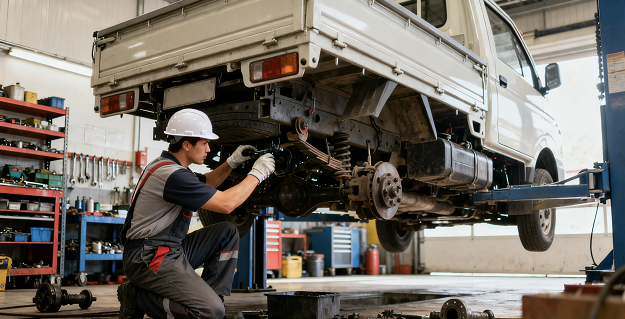
Understanding Total Cost of Ownership (TCO) in Diesel Truck Fleets
When looking at diesel trucks for their commercial fleets, operators need to focus on total cost of ownership or TCO first and foremost. This isn't just about what the truck costs when bought new but includes all sorts of other factors too like regular maintenance, fuel consumption, insurance payments, how much the truck loses in value over time, and what it might be worth when eventually sold. The sticker price tends to catch everyone's eye initially, but the real picture comes into focus with TCO analysis. A recent report from 2023 showed something interesting actually. Fleets that didn't properly consider resale values ended up spending around eight thousand two hundred dollars extra per truck across five years. That kind of money adds up fast.
How "Total Cost of Ownership (TCO)" Impacts Commercial Fleet Decisions
When companies look at total cost of ownership for their vehicles, it completely changes how they approach buying decisions. The math works out differently when considering trucks that might cost more upfront but need fewer repairs over time. Some studies show these pricier options can actually save between 12 to 18 percent over their lifespan compared to bargain basement models. Fleet managers are starting to prioritize things like dependability, gas mileage, and comprehensive warranties because it all adds up to less money spent per mile driven. Looking at TCO isn't just about numbers on paper either. It helps businesses plan budgets more accurately and makes sure assets get used properly throughout their service life in rotating fleets.
Breakdown of Fixed vs. Variable Maintenance Costs in Diesel Truck Operations
- Fixed costs (scheduled oil changes, tire rotations, software updates) average $0.14/mile for Class 8 diesel trucks
- Variable costs (unscheduled repairs, parts replacement, downtime) spike to $0.37/mile for units exceeding 300,000 miles
These figures highlight the importance of preventive careâonce trucks pass major mileage thresholds, unmanaged wear leads to exponential cost increases. Proactive monitoring helps stabilize variable spending and extends service life.
Case Study: TCO Comparison Between Class 8 Diesel Trucks Over 5 Years
A 2023 TCO analysis of 400+ trucks revealed:
| Metric | Model A | Model B |
|---|---|---|
| Avg. repair costs/yr | $2,100 | $3,400 |
| Resale value | 42% of MSRP | 29% of MSRP |
| Downtime hours/yr | 18 | 34 |
Model Aâ¢s 27% lower maintenance costs and superior reliability positioned it as the TCO leader despite a $13,000 higher sticker price. The data underscores how durability and residual value outweigh initial savings when viewed through a lifecycle lens.
Key Factors Driving Diesel Truck Maintenance and Repair Costs
Analyzing "vehicle repair costs and fleet maintenance" trends from 2018â2023
Maintenance expenses for diesel trucks have gone up by nearly 20% between 2018 and 2023 because of tougher emission regulations and the need for complex after treatment systems, as found in a recent heavy duty vehicle maintenance report. Things such as diesel particulate filters and those selective catalytic reduction setups are responsible for around 32% of repair work these days, which is quite a jump from just 18% back in 2018. What's interesting too is how much longer mechanics spend diagnosing problems now. There's been a 27% rise in the time spent figuring out what's wrong with each repair job when compared to trucks made before 2017.
The role of increased vehicle complexity in driving up repair frequency
| Component | Repair Frequency Increase (2018â2023) | Average Repair Cost Increase |
|---|---|---|
| After-treatment systems | 41% | $380â$920 per incident |
| Turbochargers | 23% | $1,150â$2,800 |
| Fuel injectors | 17% | $220â$650 per cylinder |
Modern emissions technologies require specialized tools or software updates for 68% of repairsâcompared to 45% in gas-powered fleets. As a result, mechanics now spend 22% more time annually on certification training to maintain compliance and diagnostic accuracy.
Are newer diesel trucks more reliable or just more expensive to fix?
The numbers tell an interesting story. Fleet telematics show there were 17% fewer breakdowns for vehicles made after 2020, yet when something does go wrong, fixing it costs 28% more than before. According to a recent survey of fleet operators in 2023, around two thirds of maintenance managers now see newer diesel trucks as both more reliable and actually more expensive headaches at the same time because parts have gotten pricier and finding skilled workers takes longer. Take DEF systems for example these parts typically run about $1,200 each which is roughly triple what similar emission control components cost on gasoline engines. And getting them fixed isn't simple either since nearly three quarters of repair shops need special software from the manufacturer just to diagnose basic problems. On top of all this, certified diesel mechanics charge almost 35% more per hour than their counterparts working on other types of vehicles, making those repair invoices look even steeper than they already are.
Preventive Maintenance Strategies to Reduce Long-Term Diesel Truck Costs
How Effective Preventive Maintenance Programs Extend Service Intervals
Proactive scheduling reduces wear on critical components like turbochargers and fuel injectors, allowing diesel trucks to operate 15%-30% longer between services. This approach prevents minor issues from escalating into major failures, breaking the cycle of reactive repairs that drive up costs and downtime.
Data Point: Fleets Using Scheduled Maintenance See 27% Fewer Breakdowns (ATA, 2022)
The American Trucking Associations' 2022 Fleet Maintenance Survey revealed fleets with formal programs experienced:
- 41% lower roadside repair costs
- 33% fewer engine overhauls
- 19% longer trade-in cycles
Structured maintenance not only preserves performance but enhances resale value by demonstrating consistent care and compliance.
Best Practices for Aligning Oil Change Intervals With Engine Manufacturer Recommendations
Modern synthetic oils enable extended drain intervals, but matching service schedules to engine specifications prevents warranty voidance. Consider this comparison for Class 8 trucks:
| Oil Type | Manufacturer Recommended Interval | Cost/Gallon |
|---|---|---|
| Conventional | 15,000â25,000 miles | $12â$18 |
| Full Synthetic | 35,000â50,000 miles | $22â$38 |
Linking Oil Change Intervals to Lifecycle Spending
Longer service intervals mean fewer visits to the shop, but they come with requirements for high quality synthetic oils plus ongoing oil testing. According to recent industry research from 2024 on heavy duty lubricants, companies that got good at balancing these factors saw their overall maintenance expenses drop around 9% across half a million miles compared to those sticking with traditional fixed schedule approaches. Checking oil samples regularly helps track when viscosity starts breaking down and additives get used up, which keeps the engine protected properly. Independent studies indicate that trucking operations adopting smart maintenance practices cut engine problems causing downtime nearly in half (about 53%) without messing with warranty coverage for emission systems. Makes sense really since nobody wants unexpected repairs interrupting operations.
Spare Parts Availability and Labor Costs: Impact on Downtime and Expenses
Why "spare parts availability" determines repair turnaround time
When it comes to commercial diesel trucks, having easy access to spare parts makes all the difference in how much money gets lost during downtime. According to some industry data we've seen recently, if a fleet can't get hold of those crucial components right away, they're looking at around $1,000 an hour just sitting there doing nothing (Verdantis report from last year). The numbers back this up too. A look at supply chains in 2023 revealed something interesting: companies that kept their own stock of parts saw repair times cut down by about a quarter compared to others who waited for parts from original equipment manufacturers. Makes sense really, because waiting for shipments just prolongs the problem.
Comparison of OEM vs. aftermarket part supply chains for major diesel brands
OEM parts typically have longer lead times (7â14 days average) but meet exact manufacturer specifications. Aftermarket alternatives ship 40% faster on average, though quality variances increase rework risks by 18% in heavy-duty applications.
Evaluating "labor costs at the shop" across regions and service types
Labor rates for diesel truck repairs vary significantly:
- Dealerships: $165â$220/hour (certified technicians)
- Independent shops: $95â$150/hour
- Mobile services: $130â$180/hour (includes travel fee)
Southern U.S. regions average 12% lower labor costs than coastal markets, according to 2022 fleet maintenance surveys.
Cost-benefit analysis of "where you get it done (dealer vs. independent shop vs. DIY)"
While dealerships ensure warranty compliance, independent shops reduce per-hour costs by 32% for non-emission system repairs. Replacing a water pump costs $1,200 at a dealer versus $850 at an independent shop. However, DIY repairs risk improper installationâa leading cause of $740K in engine failure claims annually (Ponemon Institute, 2023).
Trend: Rise in mobile service units reducing labor downtime by up to 40%
Mobile repair networks now resolve 58% of roadside breakdowns without towing, slashing average downtime from 8 hours to 2.5 hours per incident (2024 Fleet Efficiency Report). This shift saves fleets an estimated $8,100 annually per truck in lost productivity costs.
Driver Behavior and Training: Reducing Unplanned Maintenance in Diesel Trucks
How "driver training and behavior tracking" reduces wear-and-tear costs
Fleets that invest in regular driver training see about a 19% drop in maintenance costs when they use those telematics systems to track progress (according to the Commercial Fleet Efficiency Report from last year). When drivers learn to avoid slamming on brakes or flooring the accelerator, it makes a big difference. Brake pads last longer since they're not getting worn down so fast—around 26% less wear actually. And transmissions? They handle things much better too, with roughly 33% less strain overall. Take one logistics firm in the Midwest as an example. After starting monthly coaching based on what their engines were telling them, they saved around $14k every year per truck. That adds up pretty quickly across a whole fleet.
Telematics integration for real-time monitoring of aggressive driving patterns
Today's fleet management systems are pretty good at catching when drivers keep engines revving too high, say above 2,100 RPM for more than fifteen seconds straight. That kind of behavior really takes a toll on engines over time. Telematics companies report something interesting though real time warnings cut down these bad habits by about two thirds within just one month. What works best? Systems that track how people shift gears, measure how efficiently they use fuel, and generate reports showing where maintenance costs pile up. When operators actually see their driving habits compared against what manufacturers recommend, it makes a difference. Service intervals get longer too, around 22% extra time between services for three common diesel engines according to last year's Fleet Maintenance Benchmark Survey data.
FAQ Section
What is Total Cost of Ownership (TCO) in diesel truck fleets?
Total Cost of Ownership (TCO) refers to the comprehensive cost of operating a diesel truck, including purchase price, maintenance, fuel consumption, insurance, depreciation, and resale value.
Why is TCO important for fleet decisions?
TCO offers a holistic view of costs over a truck's lifecycle, helping fleet managers make informed decisions that can lead to significant savings and better resource allocation.
How can maintenance costs be controlled in diesel trucks?
Implementing preventive maintenance, regular monitoring, and training drivers to avoid aggressive driving can significantly reduce repair costs and downtime.
Are newer diesel trucks more expensive to maintain?
While newer trucks are often more reliable, the complexity of their systems can make them more expensive to repair when issues arise.
What impact does driver behavior have on maintenance costs?
Driver behavior has a significant impact on vehicle wear and tear; proper training and behavior monitoring can reduce maintenance costs by minimizing aggressive driving habits.
Table of Contents
- Understanding Total Cost of Ownership (TCO) in Diesel Truck Fleets
- Key Factors Driving Diesel Truck Maintenance and Repair Costs
- Preventive Maintenance Strategies to Reduce Long-Term Diesel Truck Costs
-
Spare Parts Availability and Labor Costs: Impact on Downtime and Expenses
- Why "spare parts availability" determines repair turnaround time
- Comparison of OEM vs. aftermarket part supply chains for major diesel brands
- Evaluating "labor costs at the shop" across regions and service types
- Cost-benefit analysis of "where you get it done (dealer vs. independent shop vs. DIY)"
- Trend: Rise in mobile service units reducing labor downtime by up to 40%
- Driver Behavior and Training: Reducing Unplanned Maintenance in Diesel Trucks
- FAQ Section