
 EN
EN
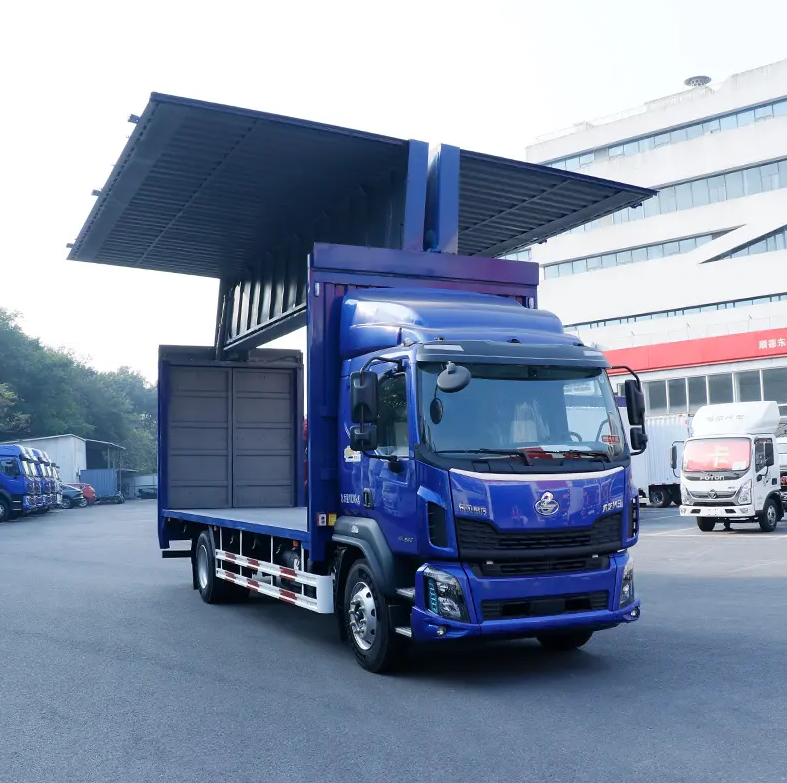
The Unique Demands of City Delivery Operations
Urban distribution is a completely different animal compared to long haul trucking or rural delivery. The streets are tighter, the traffic is unpredictable, and the delivery windows are often brutally short. A truck that works perfectly on a highway can become a liability the moment it enters a congested commercial district. When fleet managers start looking at Isuzu trucks for this kind of work, they usually focus on a few key things: turning radius, overall height, cargo accessibility, and fuel efficiency in stop and go traffic. Isuzu has built a strong reputation in the light and medium duty segment precisely because their chassis are designed with these urban challenges in mind. From narrow European style streets to sprawling Asian metropolitan areas, Isuzu trucks have proven themselves capable of squeezing into loading docks that bigger rigs simply cannot reach. The question is not whether Isuzu makes a good urban truck, but which specific model fits your operation best.
Why the Isuzu NLR Series Stands Out for Tight City Streets
The Isuzu NLR series is often the first choice for urban distribution teams that need to navigate dense neighborhoods and older commercial zones. These trucks typically come with a gross vehicle weight rating in the 4.5 to 6.5 ton range, which keeps them maneuverable without sacrificing too much payload. The cab over engine design is a huge advantage here because it shortens the overall vehicle length while maximizing the cargo box space behind the driver. A typical NLR model with a 4.2 meter box can carry somewhere between 2 and 3.5 tons depending on the exact configuration, which covers a massive range of urban delivery tasks from bakery products to electronics. One fleet supervisor in a Southeast Asian capital told me that switching from a conventional bonneted truck to an NLR reduced his drivers' average route time by almost 15 percent. The tighter turning circle alone made a noticeable difference when reversing into narrow alley loading bays. For anyone running multi drop routes in a busy city, that kind of time saving translates directly into lower labor costs and happier customers.
The Isuzu NQR Offers More Muscle Without Losing City Manners
When the cargo gets heavier or the routes include some highway stretches between urban centers, the Isuzu NQR becomes a very interesting option. The NQR sits in the medium duty category with a gross vehicle weight rating usually between 7.5 and 9 tons. It still uses a cab over design, but the chassis is stronger and the suspension is built to handle more demanding loads. What makes the NQR particularly good for urban distribution is that it retains a relatively compact footprint while offering a payload capacity that can exceed 4 tons with the right body. This means a business can haul palletized beverages, construction materials, or bulky furniture without stepping up to a much larger and less maneuverable truck. The wider cab also gives drivers better visibility and more comfort during long shifts. Some municipal fleets in Latin America have adopted the NQR for street maintenance and waste collection support because it can carry heavy equipment through residential areas without tearing up the pavement or blocking entire lanes. That balance between power and practicality is hard to find in this weight class.
Cabin Comfort and Driver Retention in Urban Routes
Anyone who has spent time behind the wheel of a delivery truck in a busy city knows how exhausting it can be. Constant braking, tight turns, and the mental strain of watching for pedestrians and scooters add up quickly. This is where Isuzu's focus on cab ergonomics really pays off. The latest Isuzu models feature adjustable seats, better sound insulation, and climate control systems that keep drivers comfortable even in tropical heat or cold winters. From a business perspective, driver retention is a huge issue in urban logistics. If your trucks are uncomfortable or difficult to drive, drivers will leave for competitors who offer better equipment. A well designed Isuzu cab with good visibility and easy to reach controls reduces fatigue and makes the whole shift more bearable. One logistics manager in the Middle East mentioned that after upgrading to newer Isuzu NLR models, his driver turnover dropped by nearly a third within a year. That alone justified the investment because recruiting and training new drivers costs far more than a slightly higher monthly payment on a better truck.
Fuel Efficiency and Total Cost of Ownership in Stop and Go Traffic
Urban distribution murders fuel economy if the truck is not designed for it. Constant acceleration from traffic lights, idling at loading docks, and crawling through congested streets all burn diesel or gasoline at a shocking rate. Isuzu has invested heavily in engine technology that addresses these real world conditions. Their common rail diesel engines deliver strong low end torque, which means the truck gets moving quickly without revving hard. That reduces fuel consumption in exactly the kind of stop and go driving that defines urban delivery work. Many Isuzu models also offer automated manual transmissions or torque converter automatics that shift smoothly and keep the engine in its most efficient range. Over a year of daily city routes, the fuel savings compared to an older truck with a less efficient powertrain can be substantial. Maintenance is another factor. Isuzu trucks are known for their durability and simple service requirements. Parts are widely available in most markets, and independent mechanics are usually familiar with the brand. That lowers downtime and keeps the total cost of ownership very competitive.
Matching the Right Isuzu Model to Your Specific Urban Mission
Choosing between the NLR and NQR really comes down to what you are hauling and where you are driving. If the route is mostly narrow streets, small loading docks, and multi stop deliveries under 2 tons, the NLR with a 4.2 meter box is hard to beat. It offers enough payload for most parcel and food distribution tasks while remaining easy to park and maneuver. If the cargo regularly exceeds 3 tons or the truck needs to handle occasional highway runs between cities, the NQR provides extra capacity without becoming unwieldy. There is also the question of body configuration. A refrigerated box will weigh more than a standard dry box, which cuts into payload. A tail lift adds weight too. These details matter when you are calculating whether a particular Isuzu model can legally and safely handle your daily loads. Working with a supplier who understands these trade offs can save a lot of headaches later.
Why the Right Supply Partner Makes Urban Fleet Building Easier
Finding the perfect Isuzu truck for urban distribution is not just about picking a model from a brochure. It involves matching the chassis, body, and local compliance requirements to the specific conditions of your city and your business. Shunzhao has extensive experience in exporting Isuzu based trucks to markets across Asia, the Middle East, Africa, and Latin America. That global exposure means the team understands how different urban environments place different demands on a truck. Whether it is a narrow street in Hanoi, a hot and dusty road in Riyadh, or a high altitude route in the Andes, Shunzhao can recommend the right Isuzu configuration and body package. By working closely with manufacturing partners and staying up to date on regional import regulations, Shunzhao helps clients avoid the costly mistakes that come from buying a generic truck that does not fit the real operating environment. For any business building an urban distribution fleet, that kind of practical support is worth more than a small difference in purchase price.
Table of Contents
- The Unique Demands of City Delivery Operations
- Why the Isuzu NLR Series Stands Out for Tight City Streets
- The Isuzu NQR Offers More Muscle Without Losing City Manners
- Cabin Comfort and Driver Retention in Urban Routes
- Fuel Efficiency and Total Cost of Ownership in Stop and Go Traffic
- Matching the Right Isuzu Model to Your Specific Urban Mission
- Why the Right Supply Partner Makes Urban Fleet Building Easier