
 EN
EN
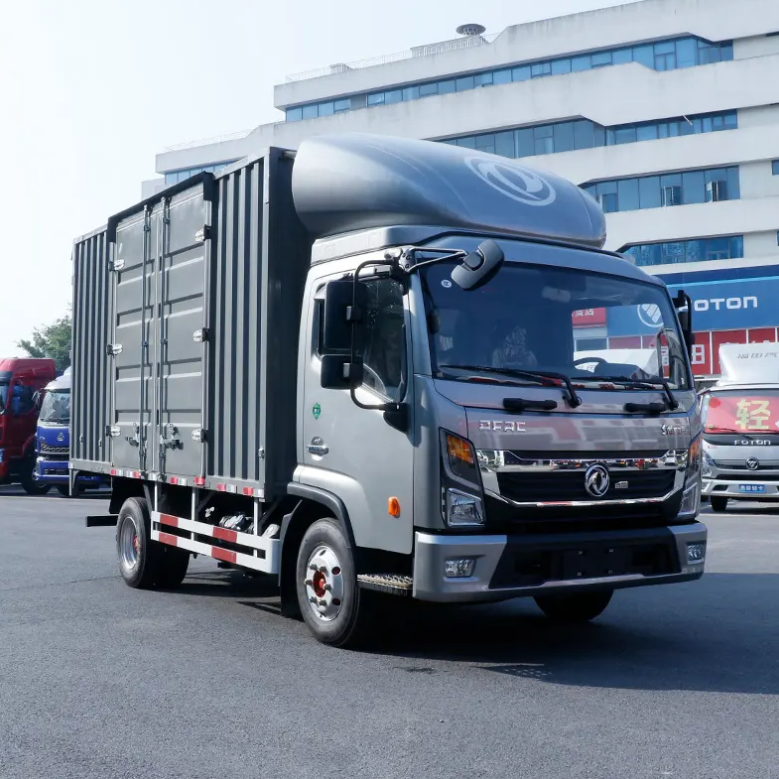
Understanding the Basics of a 4.2m Box Truck
When people talk about a 4.2m box truck, they usually mean a light to medium duty commercial vehicle with an enclosed cargo compartment measuring roughly 4.2 meters in length. These trucks are incredibly popular in urban delivery, regional logistics, and small business operations because they strike a balance between maneuverability and hauling ability. The load capacity of such a truck is not a single fixed number. It depends on several engineering factors including the chassis design, axle configuration, suspension type, and the legal weight limits set by local transport authorities. Typically, a standard 4.2m box truck falls into the category of vehicles with a gross vehicle weight rating between 3.5 and 7.5 tons. Subtracting the truck's own curb weight from that rating gives you the theoretical maximum payload. In real world conditions, most operators find that a well maintained 4.2m box truck can safely carry between 1.5 and 3.5 tons of cargo, though this range shifts based on how the truck is built and where it is registered.
How Chassis Strength and Axle Ratings Define Real Payload
The actual load you can put on a 4.2m box truck starts with the chassis frame. A stronger frame rail allows higher stress tolerance, especially when the truck hits bumps or makes sharp turns with a full load. Axle ratings are equally important. The front axle on these trucks often supports between 1.2 and 2.5 tons, while the rear axle might be rated for 3 to 5 tons depending on whether it is a single wheel or dual wheel configuration. Suspension type also matters. Leaf spring suspensions are common because they are durable and affordable, but they compress under heavy loads and can reduce stability if overloaded. Some newer models use parabolic springs or air ride systems that offer better load distribution and ride comfort. From a technical standpoint, you cannot simply look at the cargo box volume and assume you can fill it with dense materials. A 4.2m box with a volume of around 16 to 20 cubic meters could easily be overloaded if you load it with steel plates or bottled water, even though the space is not full. This is why professional fleet managers calculate both volumetric capacity and weight capacity before dispatching a truck.
Real World Payload Examples from Daily Operations
Let me share a practical case from a fleet that handles mixed freight in a busy port city. One of the 4.2m box trucks in that fleet had a registered gross vehicle weight of 4.5 tons and a curb weight of 2.3 tons, giving a theoretical payload of 2.2 tons. In daily operation, the logistics team would load pallets of packaged food, each pallet weighing around 500 kilograms. Four pallets fit easily in the cargo area, and the truck handled well with about 2 tons onboard. However, during a peak season, a warehouse worker loaded an extra half pallet plus loose cartons, pushing the payload close to 2.6 tons. The driver noticed the rear suspension sagging and the braking distance increased noticeably. The fleet supervisor immediately redistributed the load and removed the excess weight before allowing the truck to leave. That experience shows how important it is to respect both the rated payload and the physical feedback from the vehicle. Even a few hundred kilograms over the limit can compromise tire life, brake performance, and overall road safety.
Legal Weight Limits and Regional Compliance Factors
Load capacity is not only an engineering matter but also a legal one. Different countries and regions have their own rules about axle loads, gross vehicle weight, and driver licensing requirements. In many parts of Southeast Asia and the Middle East, a 4.2m box truck can be registered as a light truck, which simplifies licensing and lowers road taxes. In European markets, stricter emissions and weight regulations may require additional equipment like tachographs or speed limiters. Chinese built chassis, which are widely used for 4.2m box trucks around the world, often come with a flexible range of certifications to meet different export requirements. This flexibility is a significant advantage for buyers who need to source vehicles that can be adapted to local transport laws. When evaluating load capacity, serious buyers should check the manufacturer's compliance documentation, including the vehicle identification plate and axle load certificate. These documents provide the official maximum weights that can be used for registration and insurance purposes. Ignoring them can lead to fines, voided insurance, or even impoundment in some jurisdictions.
How Proper Load Distribution Extends Truck Life and Safety
Beyond the total weight, how you place the cargo inside the 4.2m box has a huge impact on safety and durability. The ideal load should be centered slightly forward of the rear axle, keeping the front axle sufficiently loaded for steering control. If you put too much weight at the very rear, the front tires lose grip and the truck becomes difficult to steer, especially in wet conditions. Side to side balance is also critical. Uneven loading can cause one side of the suspension to wear out faster and can make the truck lean dangerously in corners. Experienced drivers often use load bars or straps to secure cargo and prevent shifting during transit. For fragile or high value goods, using air ride suspension or adding rubber bump stops can reduce vibration damage. A well balanced load also improves fuel economy because the engine does not have to work as hard to overcome uneven rolling resistance. These practical details might seem small, but they add up over thousands of kilometers of daily operation.
From Technical Specs to Commercial Value for Growing Businesses
For importers and distributors looking to expand their delivery fleet, understanding the load capacity of a 4.2m box truck is the first step toward making a smart investment. A truck that is too small will require multiple trips and increase labor costs, while a truck that is consistently overloaded will face more breakdowns and higher maintenance bills. The sweet spot for many growing businesses is a 4.2m box truck that offers a payload in the range of 2 to 3 tons with a cargo volume around 18 cubic meters. This configuration handles everything from packaged consumer goods to light industrial equipment without requiring a special heavy vehicle license in most markets. Sourcing these trucks from a supplier with strong manufacturing partnerships and export experience can reduce lead times and ensure that the vehicle meets destination country standards. Shunzhao has worked with numerous clients across different regions to match the right chassis, body, and compliance package for their specific route profiles. That kind of supply chain support translates directly into lower total cost of ownership and higher operational reliability.
Why the Right Truck Partner Makes a Difference
Choosing the right 4.2m box truck is not just about reading a specification sheet. It involves matching the truck's engineering capabilities with your actual cargo profile, route conditions, and local regulations. A knowledgeable supplier can guide you through the selection of axle ratios, suspension upgrades, and body reinforcements that directly affect real world payload. Shunzhao understands that every market has unique demands, from tropical climates that require better cooling and corrosion protection to urban environments where turning radius and overall height restrictions are critical. By working closely with manufacturing partners who produce reliable chassis and high quality cargo boxes, Shunzhao helps clients avoid the common mistake of buying a truck that looks good on paper but fails under daily stress. The result is a fleet that performs consistently, keeps drivers safe, and supports long term business growth.
Table of Contents
- Understanding the Basics of a 4.2m Box Truck
- How Chassis Strength and Axle Ratings Define Real Payload
- Real World Payload Examples from Daily Operations
- Legal Weight Limits and Regional Compliance Factors
- How Proper Load Distribution Extends Truck Life and Safety
- From Technical Specs to Commercial Value for Growing Businesses
- Why the Right Truck Partner Makes a Difference