
 EN
EN
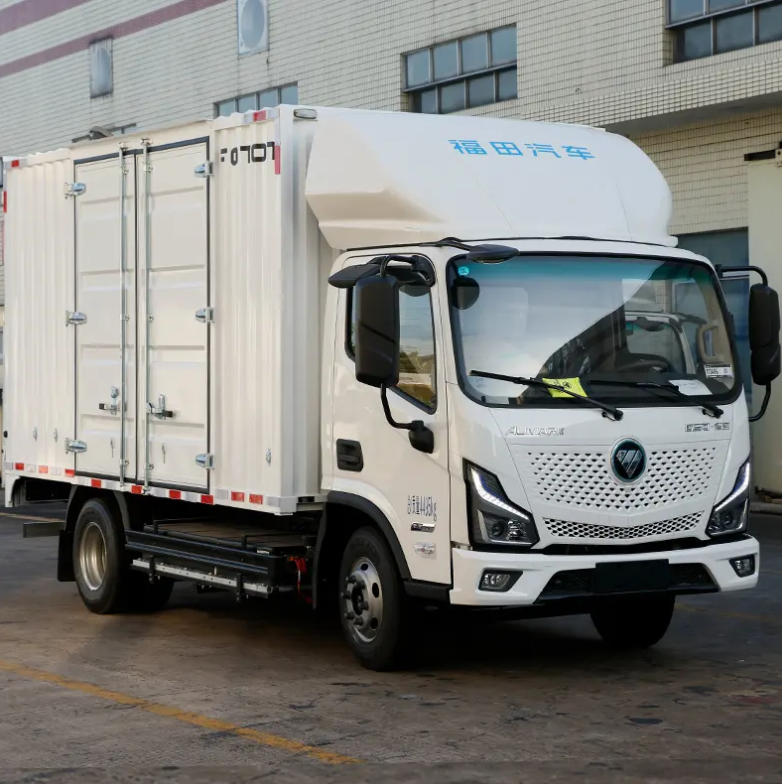
Start with the Cargo, Not the Truck
The most common mistake in buying a box truck is starting with the chassis and treating the cargo area as an afterthought. The compartment should be designed around what actually goes inside it. Load type, weight distribution, access frequency, and handling method all shape the box.
A truck that hauls stacked cartons needs different interior features than one that carries hanging garments or temperature sensitive goods. The more clearly the cargo profile is defined, the easier it becomes to specify the right compartment dimensions, door configuration, and interior fittings.
Buyers who skip this step often end up with a truck that works on paper but frustrates the loading crew every day. The compartment looks fine until the first real delivery.
Compartment Dimensions Determine Daily Efficiency
Interior height, width, and length need to match the cargo and the loading environment. A compartment that's too small forces crews to rearrange goods or make multiple trips. A compartment that's too large wastes fuel and makes small loads shift during transit.
Loading docks, forklifts, and manual handling all influence dimensions. If pallets are loaded with a forklift, the interior width must allow comfortable fork entry and turning space. If goods are hand carried, a lower floor height and wider side doors may matter more than maximum cube.
The table below shows how different cargo types affect compartment specifications.
| Cargo Type | Key Dimension Concern | Door Preference | Interior Feature |
|---|---|---|---|
| Palletized goods | Width for fork access | Rear roll-up | Tie down rails |
| Hanging garments | Interior height | Side doors | Hanging bars |
| Fragile electronics | Cushioning space | Rear doors | E track and padding |
| Perishable items | Insulation space | Rear and side | Drainage and liner |
| Mixed deliveries | Flexible layout | Both sides | Adjustable shelving |
Door Configuration Changes the Workflow
Door choice is not just about access. It affects how fast crews load and unload, how secure the cargo is, and how the truck fits into narrow delivery spaces. A rear roll-up door works well for pallet loading but may be awkward for frequent curbside stops. Side doors speed up small package delivery but reduce wall strength if not properly reinforced.
For multi-stop routes, a combination of rear and curbside doors often works best. The crew can reach frequently needed items without climbing inside or pulling everything out. That saves time on every stop and reduces cargo damage from repeated handling.
The door hardware also matters. Hinges, latches, and seals take abuse in daily service. Heavy duty components keep the compartment secure and weather tight over years of use.
Weight Distribution Affects Safety and Vehicle Life
A customized compartment must sit correctly on the chassis. Too much weight behind the rear axle makes the front end light and reduces steering control. Too much weight on one side causes uneven tire wear and poor handling. The compartment layout should account for how the cargo is typically loaded.
Manufacturers calculate payload capacity based on the chassis, suspension, and body weight. A heavy compartment with thick walls and extra shelving reduces the available cargo capacity. Buyers need to know the finished vehicle weight before finalizing the specification.
Tie down points and cargo restraint systems also matter. Unsecured loads shift during braking and cornering, which creates safety risks and damages goods. E track, D rings, and movable bars give crews options for different load types.
Real Experience with a Poorly Planned Compartment
A distribution company ordered a box truck for mixed retail deliveries. The compartment was specified with maximum interior height, thinking extra space would be useful. The result was a truck that was hard to load and expensive to run. Small packages shifted during transit, and the crew spent too much time climbing inside to reach items near the front.
The company re-specified the next truck with a lower interior height, side doors, and adjustable shelving. Load times dropped noticeably, and the crew reported fewer damaged packages. The truck carried less air, which improved fuel economy on the same routes.
That experience shows how compartment design directly affects daily operating cost, not just initial purchase price.
What Fleet Managers and Industry Sources Recommend
Fleet managers consistently emphasize that cargo body design should follow the route profile and the goods, not the other way around. A truck that's easy to load and unload spends more time on the road and less time at the dock.
Industry guides also stress the importance of matching the body to the chassis. Overloading or poor weight distribution shortens brake life, wears tires unevenly, and increases maintenance costs. A properly matched truck and body combination runs safer and lasts longer.
Durability standards for commercial truck bodies focus on frame strength, door hardware, and corrosion resistance. These are the areas where long term value is earned or lost.
Matching the Compartment to the Business Model
Different businesses need different compartment features. A furniture delivery service may need a liftgate and padded interior walls. A flower distributor needs insulation and drainage. A parts delivery operation needs adjustable shelving and quick access doors.
The compartment should support how the business actually operates. If drivers make twenty stops a day, access speed matters more than maximum cargo volume. If the truck makes one long haul per day, capacity and load stability take priority.
Buyers should also think about resale value. A well-designed compartment with standard dimensions and quality hardware is easier to sell later than an unusual custom build with limited appeal.
Why Shunzhao Focuses on Practical Customization
Choosing a box truck with a customized compartment comes down to understanding the cargo, the route, and the loading process. The best compartment designs make daily work faster and safer while protecting the goods and the vehicle.
Shunzhao specializes in customized truck solutions and understands how compartment design affects real delivery operations. The company's experience with commercial vehicle specifications shows in attention to dimensions, door configuration, weight distribution, and interior fittings. A box truck built with that practical focus supports the business instead of fighting it.
Table of Contents
- Start with the Cargo, Not the Truck
- Compartment Dimensions Determine Daily Efficiency
- Door Configuration Changes the Workflow
- Weight Distribution Affects Safety and Vehicle Life
- Real Experience with a Poorly Planned Compartment
- What Fleet Managers and Industry Sources Recommend
- Matching the Compartment to the Business Model
- Why Shunzhao Focuses on Practical Customization