
 EN
EN
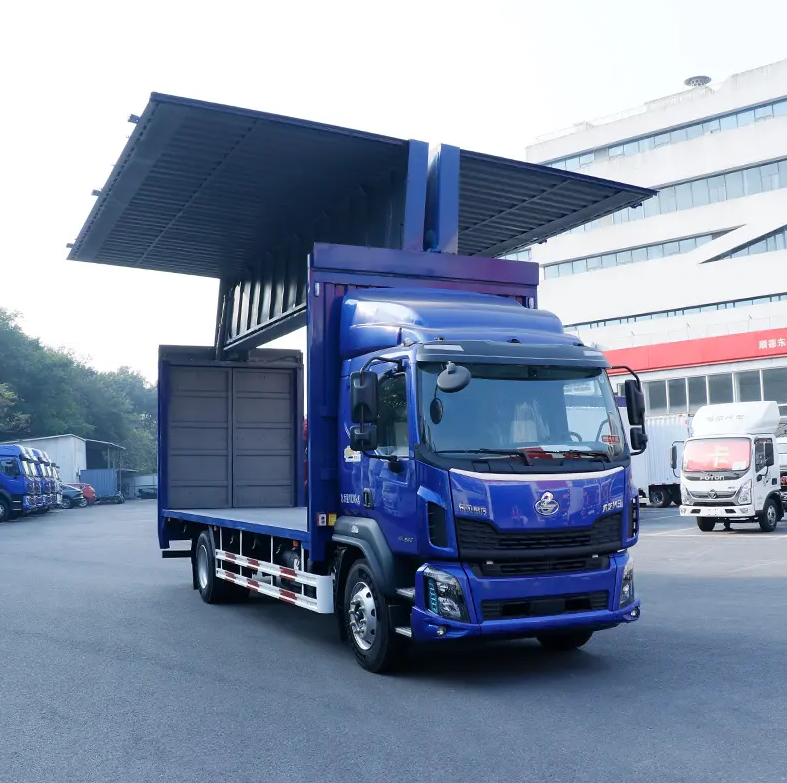
Understanding Payload Versus GVWR on an Isuzu Truck
Many buyers confuse payload with gross vehicle weight rating. The GVWR is the maximum total weight a truck can safely carry, including the vehicle itself, passengers, fuel, and cargo. Payload is what remains after subtracting the truck's curb weight. For an isuzu truck, these numbers vary by model and configuration. The NPR series often carries a GVWR between 12,000 and 14,500 pounds, while the larger NRR can reach 19,500 pounds. Knowing the difference prevents the dangerous habit of treating the GVWR as the cargo limit. A truck loaded to its GVWR with no margin for passengers or fuel is already overloaded.
Model-by-Model Load Capacity Figures
Isuzu offers several light truck platforms, each with distinct load ratings. The table below uses published specifications for common US-market models. These figures assume a standard cab and chassis with no added body.
| Model | GVWR (lbs) | Payload Capacity (lbs) | Wheelbase Options (in) |
|---|---|---|---|
| NPR Gas | 12,000 | 6,800 to 7,200 | 109 to 176 |
| NPR Diesel | 14,500 | 8,500 to 9,000 | 109 to 176 |
| NRR | 19,500 | 11,500 to 12,000 | 150 to 212 |
| NQR | 17,950 | 10,400 to 10,800 | 150 to 200 |
Payload figures shift once a cargo body, liftgate, or reefer unit is installed. Always recalculate based on the completed vehicle, not the bare chassis.
How Chassis Configuration Changes the Numbers
A long wheelbase spreads weight differently than a short one, but it also adds frame weight. Adding a steel flatbed can consume 1,000 to 2,000 pounds of payload before the first box is loaded. The same isuzu truck ordered as a cab chassis has a higher published payload than one fitted with a service body. Buyers who skip this calculation often find their new truck overweight on the first day of operation. The Federal Motor Carrier Safety Administration states that exceeding GVWR by even 10 percent increases stopping distance and reduces steering control significantly. That is not a fine risk. It is a safety failure waiting to happen.
A Real-World Overload Case from a Delivery Fleet
A regional beverage distributor in Texas purchased six NPR gas models for urban delivery. The trucks were fitted with aluminum bodies and liftgates, which the fleet manager assumed still left plenty of capacity. On the first loaded route, a truck carrying 320 cases of bottled drinks weighed in at 14,800 pounds on a portable scale. The GVWR was 12,000 pounds. That represented a 23 percent overload. The fleet had to reduce loads immediately, which meant adding a seventh truck to the rotation. The extra vehicle cost more than a proper payload analysis would have. Real cargo weight, not estimated volume, is the only reliable number.
Why Frame Strength and Suspension Matter More Than Badges
Payload capacity is not just a legal number. It reflects the engineering of the frame, axles, and springs. Isuzu designs its light trucks with ladder frames and leaf spring or air ride setups tuned for specific weight ranges. Exceeding the rating does not always cause immediate failure, but it accelerates frame fatigue and spring sag. Over time, that leads to cracked crossmembers and uneven tire wear. An isuzu truck with a 14,500-pound GVWR is not the same as a competitor's 14,500-pound truck if the frame section modulus differs. Buyers should ask for frame strength specs, not just the door sticker.
What Buyers Should Verify Before Signing
A smart buyer checks the completed vehicle weight, not the brochure number. That means weighing the truck after the body is installed and before it goes into service. Also confirm the axle ratings front and rear, since payload distribution matters as much as total weight. Shunzhao has spent 30 years helping commercial vehicle buyers match chassis, body, and application requirements. With a team of 800 employees and expertise in special vehicle manufacturing, the company can guide a buyer through the payload calculation process and recommend the right isuzu truck configuration. That kind of support prevents the costly mistake of buying a truck that looks capable but cannot legally carry the load.