
 EN
EN
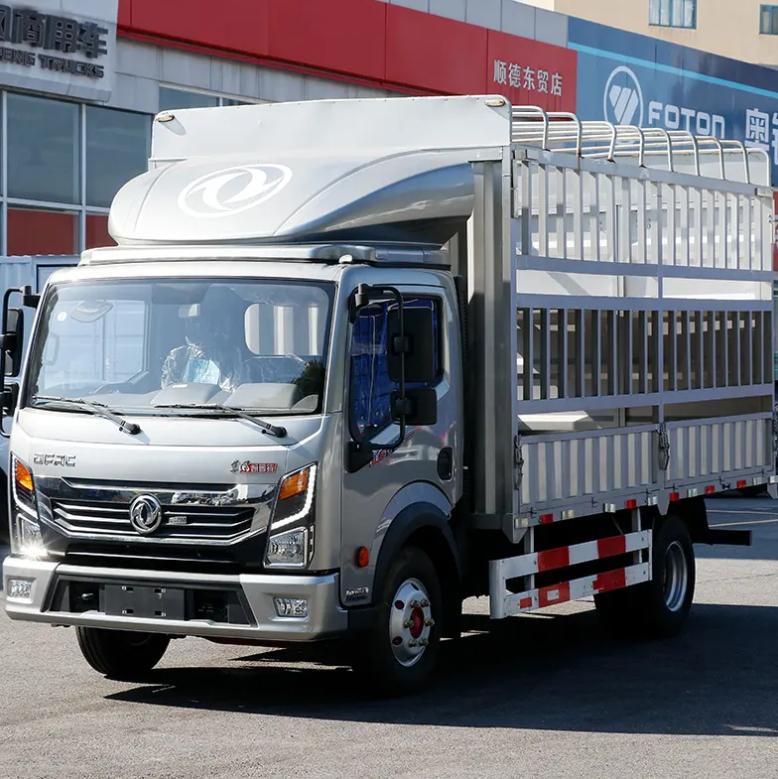
Evaluate Your Small Truck’s Bed Geometry and Operational Limits
Before customizing your small truck’s storage compartment, take precise measurements of the bed’s length, width, and wheel well clearance. Measure from the cab to the tailgate to determine usable space—accounting for obstructions like tie-down hooks or factory-installed rails. Accurate dimensions ensure accessories fit properly without compromising functionality, safety, or payload integrity.
Measuring bed length, width, wheel well clearance, and cab-to-tailgate reach for precise fit
Use a tape measure to record internal dimensions at multiple points—truck beds often taper slightly toward the tailgate, so single-point measurements can mislead. Note the height from bed floor to top of wheel wells, as this directly affects under-rail storage options and vertical stacking potential. Document the distance between mounting points (e.g., stake pocket centers or factory rail slots) to verify compatibility with modular systems. These measurements form the foundation for selecting accessories that maximize every inch of limited space while respecting structural limits.
Balancing visibility, security, and daily accessibility in low-profile vs. high-capacity configurations
Low-profile storage solutions—such as flush-mount toolboxes or recessed slide-outs—maintain rear visibility and comply with DOT visibility standards, but offer constrained volume. High-capacity racks or overhead crossbars increase storage capacity yet risk obstructing the driver’s view through the rear window or side mirrors. Prioritize security where tools are high-value or theft-prone: lockable compartments meet ANSI/BHMA Grade 2 standards for commercial use, while open racks support rapid access during time-sensitive service calls. Align your choice with daily workflow—not just theoretical capacity—to sustain both operational speed and compliance.
Choose Modular Storage Systems Compatible with Your Small Truck
Selecting the right modular storage system transforms your small truck's bed into a highly functional, mission-ready workspace. Begin by matching toolbox types to your vehicle’s mounting architecture and real-world usage patterns. Crossover toolboxes maximize space over the wheel wells without sacrificing bed length; side-mount units deliver fast, ergonomic access; utility chests provide secure, compartmentalized storage ideal for calibration gear or electronics. Each option must align with your truck’s structural constraints—including GVWR, hitch clearance, and cab-to-tailgate reach—to avoid long-term frame stress or handling compromise.
Matching toolbox types—crossover, side-mount, and utility chests—to your small truck’s mounting points and workflow needs
Verify bolt patterns and bed rail specifications before purchase—especially for OEM-integrated systems like Ford’s Pro Access Tailgate or GM’s Multi-Pro Tailgate-compatible rails. For technicians making frequent stops, side-mount boxes with slam-latch mechanisms reduce average access time by 22% compared to keyed locks, according to field data from the National Institute for Automotive Service Excellence (ASE). Utility chests with partitioned interiors prevent tool collisions during transit, a critical safeguard for sensitive instruments. Crucially, evaluate how each configuration impacts payload: exceeding your truck’s GVWR accelerates frame fatigue by up to 40%, per SAE International J2807 testing protocols.
Enhancing small truck compartment functionality with bed rails, adjustable dividers, and slide-out platforms
Augment your core storage with three high-impact accessories:
- T-slot bed rails: Provide versatile, drill-free anchor points for tie-downs, divider mounts, or accessory brackets—compatible with industry-standard M6 or ¼"-20 hardware
- Adjustable dividers: Enable weekly reconfiguration for evolving project demands; foam-lined variants reduce vibration-induced wear on precision tools
- Slide-out platforms: Retrieve rear-stored items 50% faster than climbing into the bed, per ergonomic studies conducted by the Human Factors and Ergonomics Society
For optimal durability and safety, pair slide-outs with heavy-duty drawer slides rated for at least 100 lb per linear foot—and confirm full extension is unimpeded by wheel wells or bed contours.
Design an Ergonomic, Tool-Specific Layout for Maximum Efficiency
Functional zoning by trade (electrical, plumbing, fasteners) to minimize task-switching and boost on-site productivity
Group tools and supplies by job function, not tool category—this mirrors actual workflow and eliminates unnecessary movement. An electrician keeps wire strippers, connectors, testers, and conduit benders in one dedicated zone; a plumber stores pipe wrenches, flux, fittings, and pressure gauges in another. This physical separation reduces cognitive load, cuts search time, and makes inventory gaps immediately visible. Reinforce the system with clear, weather-resistant labeling and position the most frequently used tools at waist height—the optimal ergonomic zone for repeated access. Functional zoning isn’t just about organization; it’s a field-proven method to compress task cycles and improve first-time-right outcomes.
Ergonomic optimization: vertical stacking, angled tubs, and foam-inserted compartments for vibration-sensitive tools
In compact beds, vertical stacking works efficiently for light, infrequently used items—but always keep heavier tools low to preserve stability and lower the center of gravity. Angled tubs (typically 10–15° forward tilt) allow sockets, wrenches, and pliers to rest within easy view and reach, eliminating the need to dig or reposition. For vibration-sensitive instruments—laser levels, multimeters, torque analyzers—custom-cut closed-cell polyethylene foam inserts hold each item securely in place and dampen road shock. Add a subtle finger lift notch beside each tool handle to enable one-motion retrieval. Together, these features reduce bending, reaching, and fumbling—directly lowering cumulative strain and boosting service-call efficiency.
Validate Customization Against Real-World Small Truck Use Cases
After finalizing your layout, validate it under actual job-site conditions—not just in the shop. A small truck used by an electrician faces different spatial, weight, and access demands than one serving plumbers or landscapers. Load the compartment with your heaviest daily tools and drive your typical routes, including rough roads and tight turns. Observe for cargo shifting, interference with tailgate operation or cab entry, and any blind-spot obstruction. Simulate adverse conditions: test seals and covers in rain or dusty environments to confirm protection holds. If retrieval feels delayed, zones feel cluttered, or posture becomes strained, adjust divider placement or reassign tool categories—not just rearrange labels. Two weeks of consistent, documented use reveals operational flaws no schematic can predict, ensuring your final setup delivers measurable time savings—not added friction.
FAQ
What measurements are crucial when customizing a small truck bed?
Key measurements include bed length, width, wheel well clearance, and cab-to-tailgate reach, ensuring compatibility with accessories and preserving functionality.
How do I decide between low-profile and high-capacity storage?
Low-profile storage maintains visibility and complies with DOT standards, while high-capacity options maximize space but may obstruct visibility. Choose based on workflow and accessibility needs.
What modular storage options work best for small trucks?
Crossover toolboxes, side-mount units, and utility chests are ideal and should match your truck's mounting points and usage patterns.
How can I optimize tool organization for efficiency?
Use functional zoning by trade, avoid overloading, and utilize ergonomic features like angled tubs and foam-inserted compartments for critical tools.
What should I validate in a small truck customization?
Test storage setups under real-world conditions for cargo shifting, access ease, seal protection, and time efficiency to ensure optimal performance.