
 EN
EN
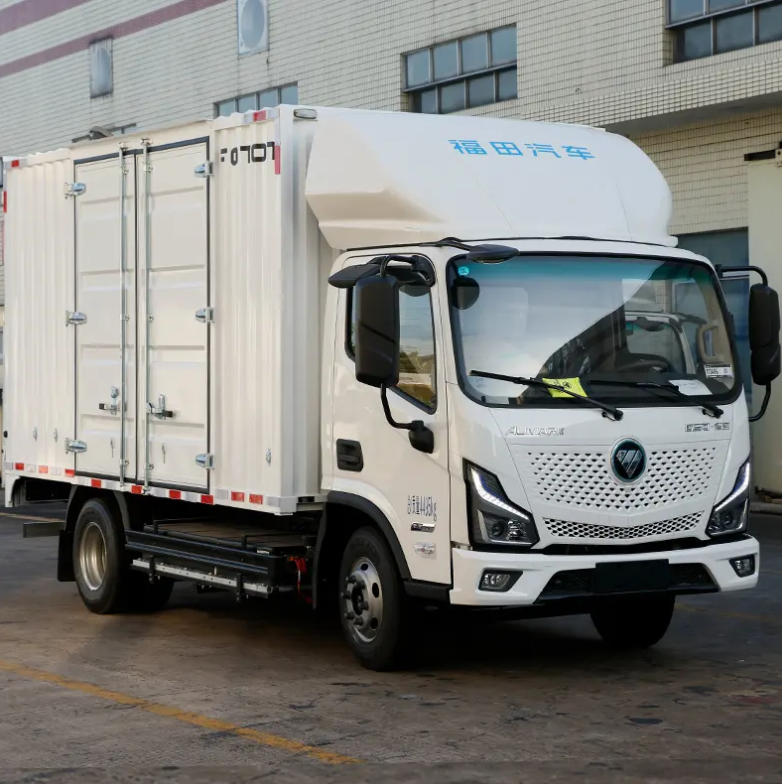
Why 14–18 ft Box Trucks for Sale Are the Optimal Choice for Intercity Short-Distance Transport
The 14–18 ft length segment offers the ideal balance of capacity and agility for routes spanning 50 to 120 miles. These box trucks are purpose-built for the daily repeat trips that define intercity short-haul logistics, where speed and reliability matter more than maximizing a single load.
Defining Intercity Short-Distance: Route Parameters (50–120 miles), Frequency, and Operational Demands
Intercity short-distance transport typically covers 50 to 120 miles per leg, with fleets completing multiple round trips in a single day. This duty cycle demands a vehicle that can load quickly, navigate highway on-ramps and off-ramps, and enter distribution centers without clearance issues. A 14–18 ft box truck meets these requirements: its cargo area accommodates palletized goods or mixed loads while its overall length stays under 25 feet, allowing it to use standard loading docks. Operators face tight delivery windows—often 2–4 hours per stop—so route frequency forces drivers to prioritize vehicles that minimize turnaround time. Industry benchmarks show that a properly configured 16-ft box truck can execute 3 to 5 deliveries per day on a 75-mile route, compared to only 1–2 runs for a larger 26-ft trailer, making the shorter variant far more productive for repetitive intercity trips.
Payload vs. Volume Balance: Prioritizing Turnaround Speed and Repeat Trips Over Max Load Capacity
For short-haul intercity operations, total payload often takes a backseat to cube utilization and rapid loading cycles. A 14–18 ft box truck typically carries 7,000 to 10,000 pounds—sufficient for the light-to-medium density goods common in urban corridor restocking (e.g., packaged foods, auto parts, or furniture). However, the real advantage lies in the body’s interior height and loading configuration. Modern 16-ft units offer up to 96 inches of vertical space, enabling mixed stacking of taller items without wasting floor area. When turnaround speed is the priority, features like right-hand sliding cargo doors and low step heights cut dock time by as much as 30% compared to rigid vans. Rather than loading to maximum weight, operators optimize for volume and ease of access, accepting a 10–15% payload buffer to ensure each trip finishes within the scheduled window. This approach reduces idle time at terminals and supports the high-frequency schedules that define successful intercity short-distance transport.
Critical Dimensions: Turning Radius, Height Clearance, and Parking Feasibility Across City Terminals
When operating in mixed-use corridors that blend residential streets, retail zones, and industrial hubs, the physical dimensions of a box truck directly dictate route feasibility. A 16-foot box truck typically requires a turning radius of 45–50 feet, allowing it to navigate tight urban intersections and alleyways that larger 22-foot models cannot manage. Equally important is height clearance: many city terminals, parking garages, and loading docks have overhead restrictions under 14 feet. A standard 16-foot box truck stands about 12–13 feet high, ensuring access without the risk of overhead collisions. Parking feasibility also improves—shorter wheelbases enable parallel parking at curbside delivery zones, reducing the need for full-block maneuvers. For fleet managers evaluating box trucks for sale, prioritizing these dimensional specs reduces route planning conflicts and improves overall urban delivery compliance.
Case Insight: Fleet Transition from 22-ft to 16-ft Box Trucks for Improved On-Time Performance on 75-Mile Routes
A regional distribution company operating 75-mile intercity routes in the Midwest recently replaced its fleet of 22-foot box trucks with 16-foot models. The primary goal was to improve on-time delivery performance in congested urban endpoints. After the transition, on-time rates rose from 82% to 94% within three months. The shorter box trucks allowed drivers to use alternate routes with tighter clearances, avoid highway bottlenecks, and park closer to delivery points. Additionally, the reduced turning radius eliminated the need for multi-point turns, saving an average of four minutes per stop. While payload capacity decreased by about 30%, the fleet maintained its daily trip frequency because faster turnaround times enabled an extra run per shift. This case underscores that maneuverability often yields higher operational ROI than raw cargo volume on short-haul intercity runs.
Diesel Dominance in 14–18 ft Segment: MPG Benchmarks and Total Cost of Ownership Under 150-Mile Legs
Diesel powertrains remain the leading choice for 14–18 ft box trucks used in short-haul intercity transport. These routes, typically under 150 miles per leg, demand consistent fuel economy to maximize profitability. Diesel engines in this segment deliver 6–8 miles per gallon (MPG), outperforming gasoline counterparts by 15–20% according to industry benchmarks. This efficiency translates directly to lower fuel costs—a critical factor given fuel represents ~30% of total operating expenses for fleets. When calculating Total Cost of Ownership (TCO), diesel’s superior longevity and reduced maintenance frequency further solidify its position. Over a typical 5-year lifecycle, fleets report $8,200 savings per vehicle versus gasoline models, making diesel the pragmatic choice for cost-sensitive operators prioritizing predictable ROI on sub-150-mile circuits.
Emerging Alternatives: Practicality of CNG and Battery-Electric Box Trucks for Fixed-Route Intercity Fleets
While diesel dominates, compressed natural gas (CNG) and battery-electric vehicles (BEVs) offer viable alternatives for specific intercity applications. CNG box trucks provide ~20% lower fuel costs versus diesel and meet stringent emissions standards, particularly valuable in urban corridors with environmental regulations. However, limited refueling infrastructure restricts deployment to fleets with fixed routes near CNG stations. BEVs present zero tailpipe emissions and reduced energy costs—up to 60% savings per mile—but face range constraints. Current models support ~120 miles per charge, suitable for predictable sub-100-mile routes with scheduled depot charging. Leading manufacturers now offer 18 ft BEV box trucks with fast-charging capability, enabling 80% charge in 45 minutes. For fleets operating fixed short-distance loops with charging access, BEVs deliver operational savings of $0.18 per mile versus diesel, offsetting higher upfront costs within 3–5 years.
Standard Rear-Door, Side-Door, and Utility Configurations—Matching Box Trucks for Sale to Business Model Needs
The choice of body configuration directly affects loading/unloading speed and route efficiency. Rear-door models suit terminals with dedicated docks, allowing quick straight-through access. Side-door designs cut handling time at multi-stop urban deliveries by enabling curb-side retrieval without repositioning. Utility variants with roll-up doors and adjustable shelving support mixed cargo needs, from pallets to parcels. When evaluating box trucks for sale, operators must align access type with their typical drop patterns. A parcel carrier running 60-mile loops benefits from side doors and low step height, while a furniture mover needs a wide rear opening for bulky items. The wrong configuration increases dwell time by up to 15 minutes per stop, eroding the tight margins of intercity short-distance transport. Choosing the correct body style is as vital as selecting the right chassis size.
FAQ Section
What are intercity short-distance routes?
Intercity short-distance routes typically span 50–120 miles, often involving multiple round trips in one day, emphasizing efficiency and quick turnaround times.
Why are 14–18 ft box trucks ideal for short-distance transport?
These trucks offer the perfect balance of capacity and agility for frequent, short routes, ensuring rapid loading/unloading and minimized turnaround time.
What is the benefit of shorter box trucks compared to longer models?
Shorter box trucks have better maneuverability, reduced turning radii, and easier parking, especially in congested urban areas, making them more efficient for repetitive short-haul operations.
Is diesel still the best choice for short-haul box trucks?
Yes, diesel powertrains offer superior fuel economy, durability, and lower overall operating costs compared to gasoline, making them a top choice for sub-150-mile circuits.
Are battery-electric box trucks suitable for intercity routes?
Battery-electric trucks are practical for fixed short-distance loops under 120 miles with charging infrastructure, offering lower energy costs and zero emissions.
Table of Contents
-
Why 14–18 ft Box Trucks for Sale Are the Optimal Choice for Intercity Short-Distance Transport
- Defining Intercity Short-Distance: Route Parameters (50–120 miles), Frequency, and Operational Demands
- Payload vs. Volume Balance: Prioritizing Turnaround Speed and Repeat Trips Over Max Load Capacity
- Critical Dimensions: Turning Radius, Height Clearance, and Parking Feasibility Across City Terminals
- Case Insight: Fleet Transition from 22-ft to 16-ft Box Trucks for Improved On-Time Performance on 75-Mile Routes
- Diesel Dominance in 14–18 ft Segment: MPG Benchmarks and Total Cost of Ownership Under 150-Mile Legs
- Emerging Alternatives: Practicality of CNG and Battery-Electric Box Trucks for Fixed-Route Intercity Fleets
- Standard Rear-Door, Side-Door, and Utility Configurations—Matching Box Trucks for Sale to Business Model Needs
- FAQ Section