
 EN
EN
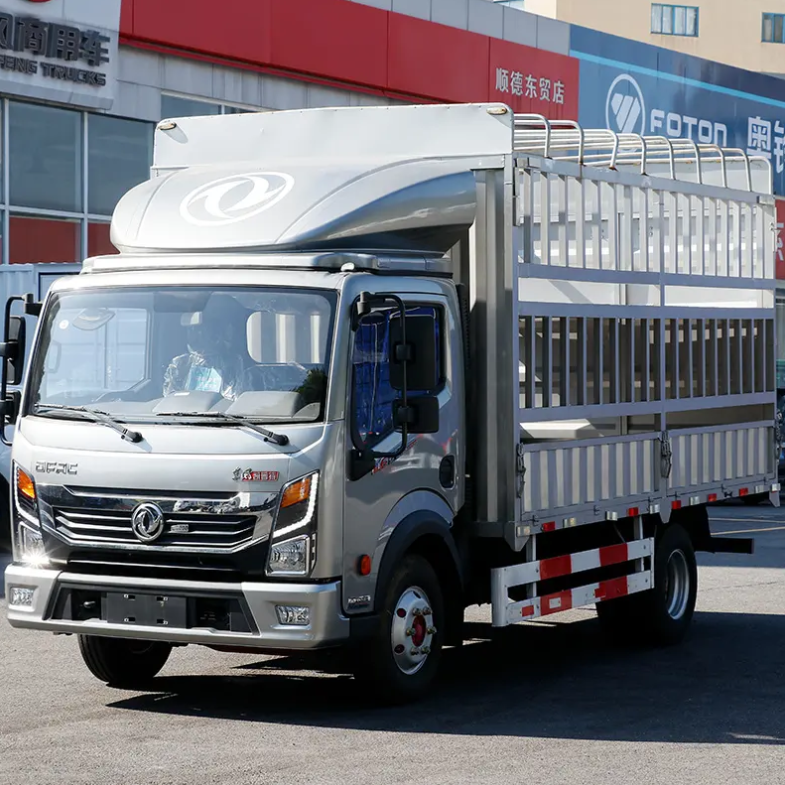
Why Diesel Trucks Deliver Superior Performance and ROI
Diesel trucks provide exceptional performance for demanding commercial applications. Their engines generate higher torque at lower RPMs than gasoline engines—enabling confident heavy-load hauling and steep-grade climbing without strain. This translates directly into superior towing and payload capacity, making diesel trucks indispensable across construction, logistics, and agriculture.
Beyond raw power, diesel engines deliver 20–30% better fuel economy than comparable gasoline models under typical workloads. Over time, those savings meaningfully offset the higher initial purchase price—especially for high-mileage or high-utilization fleets. Diesel powertrains are also engineered for longevity: with proper maintenance, many exceed 500,000 miles, reducing replacement frequency and minimizing downtime. That durability lowers total cost of ownership (TCO) while supporting consistent fleet availability—critical for operational continuity and profitability. When you weigh torque delivery, long-term fuel efficiency, and proven service life, diesel trucks offer unmatched value for business-critical applications.
Key Factors to Consider When Buying a Diesel Truck
Selecting the right diesel truck for your business demands careful evaluation beyond just engine type. Prioritizing key operational factors ensures the vehicle aligns with your specific commercial needs and delivers maximum value over its lifecycle.
Payload and Towing Capacity Requirements
Accurately assessing your typical load weights is paramount. Underestimating payload or towing demands strains the drivetrain, accelerates wear, increases maintenance costs, and risks unplanned downtime. Conversely, over-spec’ing leads to unnecessary capital outlay and reduced fuel efficiency. Determine both your peak and average requirements to identify a truck with sufficient—but not excessive—capacity. This balance optimizes performance, protects your investment, and supports predictable TCO.
Fuel Efficiency and Total Cost of Ownership
While diesel engines often offer superior fuel economy compared to gasoline counterparts—particularly under load—focusing solely on miles per gallon (MPG) provides an incomplete picture. Calculate the Total Cost of Ownership (TCO), encompassing purchase price, projected fuel expenses based on annual mileage, anticipated maintenance and repair costs, insurance, and resale value. Diesel trucks typically command higher initial prices and maintenance costs but may offset these through greater longevity and fuel savings in high-utilization scenarios. A comprehensive TCO analysis reveals the true financial impact—and often confirms diesel’s advantage for commercial duty cycles.
Durability, Maintenance, and Uptime Reliability
Commercial operations depend on consistent vehicle availability. Evaluate the truck’s build quality, the proven durability of critical components—including the engine, transmission, and aftertreatment system—and the accessibility of authorized service networks. Establish a realistic preventative maintenance schedule aligned with manufacturer recommendations and your actual usage patterns. Prioritizing robust construction and responsive service support minimizes unexpected breakdowns, safeguards productivity, and reduces costly operational disruptions. Proactive maintenance planning isn’t optional—it’s foundational to uptime and ROI.
Top Diesel Truck Models for Commercial Fleets in 2024
For businesses evaluating a new diesel truck for their fleet, three models dominate the 2024 heavy-duty landscape, each offering a distinct blend of power, technology, and reliability.
Ford F-Series Super Duty: Power and Integrated Telematics
The Ford F-Series Super Duty pairs a proven 6.7L Power Stroke diesel engine with a 10-speed TorqShift automatic transmission, delivering up to 500 hp and 1,200 lb-ft of torque. Its integrated Ford Telematics system gives fleet managers real-time insights into fuel consumption, maintenance intervals, and driver behavior—enabling data-driven decisions that improve efficiency and reduce risk. While the 2025 model receives only minor updates, the 2024 F-Series remains a durable, technology-forward choice for commercial operators seeking proven performance and actionable fleet intelligence.
Ram Heavy Duty: Ride Quality and Torque Leadership
The Ram Heavy Duty continues its longstanding partnership with Cummins, offering the refined 6.7L turbo diesel that improves low-end responsiveness and thermal efficiency. With best-in-class torque and an Aisin heavy-duty transmission, the 2024 Ram excels in both towing and payload applications. Its coil-spring rear suspension (standard on 2500 models) delivers a noticeably smoother ride—reducing driver fatigue over long hauls and contributing to safer, more sustainable operations. The extended Cummins–Stellantis agreement through 2030 signals ongoing engineering collaboration and continued reliability enhancements.
GM Silverado HD: Trailering Tech and Customization Options
The GM Silverado HD is powered by a 6.6L Duramax diesel mated to a 10-speed Allison transmission, producing 445 hp and 910 lb-ft of torque. For 2024, GM refreshed the front fascia and upgraded interior technology—including an enhanced trailering camera system with hitch guidance and dynamic trailer view. Extensive factory customization—from chassis cab configurations to vocational packages—allows fleets to tailor the truck precisely to their operational needs, whether for municipal services, utility work, or specialized transport. This flexibility helps optimize TCO by matching capability to mission-critical requirements.
How to Maximize Diesel Truck Value Through Smart Procurement
Strategic procurement practices directly impact the long-term value and operational costs of your diesel truck investment. Prioritizing lifecycle cost analysis over upfront price reveals hidden savings: diesel trucks typically retain higher resale value due to enduring engine durability, and their superior fuel efficiency translates to lower operating expenses—especially for fleets logging 20,000+ miles annually. Implementing a proactive maintenance schedule—including regular oil changes, fuel system cleaning, and emissions component inspections—dramatically reduces breakdown risks and extends service life. Partnering with dealers offering certified pre-owned programs or comprehensive service packages further safeguards your investment. Ultimately, aligning procurement decisions with specific operational needs—payload requirements, annual mileage, and duty cycles—ensures optimal total cost of ownership (TCO) and maximizes return on investment.
FAQ
Why are diesel trucks preferred for commercial use?
Diesel trucks are preferred for their higher torque, superior towing and payload capacity, better fuel economy, and long-lasting engines, making them ideal for tough, high-mileage commercial applications.
Are diesel trucks really more economical despite the higher initial cost?
Yes, their superior fuel efficiency, longer service life, and higher resale value often offset the higher upfront cost, especially for fleets with high mileage or utilization.
What key factors should I consider when buying a diesel truck?
You should evaluate payload and towing capacity, fuel efficiency, total cost of ownership, durability, maintenance needs, and service network accessibility to choose the right truck for your operational needs.
Which are the top diesel truck models for 2024?
Top models include the Ford F-Series Super Duty, Ram Heavy Duty, and GM Silverado HD, each offering distinct advantages in power, technology, and customization options.
How can I maximize the value of my diesel truck investment?
Conduct comprehensive lifecycle cost analysis, establish a proactive maintenance schedule, and consider certified pre-owned programs or service packages to reduce costs and extend the truck's life.