
 EN
EN
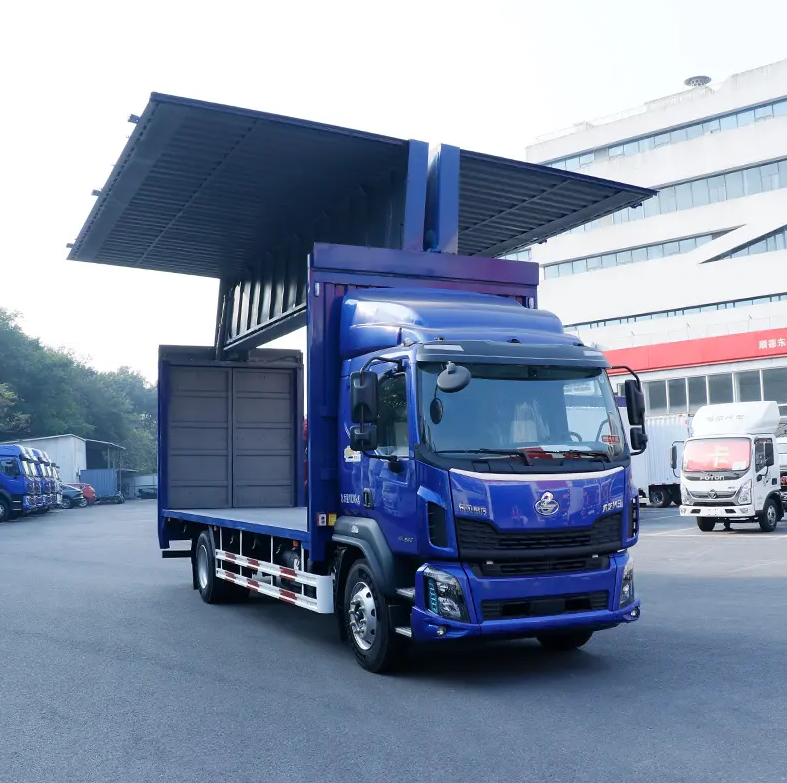
Start with the box and the temperature, not the badge
Refrigerated transport is a system problem. The isuzu truck is only one part of it. The box size, insulation, door seals, floor, refrigeration unit, and power supply all decide whether the load arrives at the right temperature. A chassis that is too light will struggle with a heavy body and a running refrigeration unit. A chassis that is too heavy wastes fuel and space. ATP and GB 29753-2013 set test methods and performance classes for refrigerated vehicles. They are useful because they force a conversation about temperature class, ambient conditions, and pull down time. The right question is not which Isuzu truck is best. It is which chassis matches the thermal load and the route.
Light duty choices for tight city routes and small drops
Isuzu NPR and NQR series are common starting points for urban cold chain work. Their cab over design gives a short turning radius. A 4.2 to 5.2 meter box fits most delivery bays. A typical direct drive or small diesel refrigeration unit can hold a chilled load. These trucks work well for food service, pharmacy, and flower delivery where the door opens often. The limit is payload and electrical capacity. A large frozen load with a high capacity unit may exceed the front axle or alternator output. A light chassis can also run out of cooling when the box is opened at every stop. Insulation and door management matter as much as the badge.
Medium duty chassis for regional runs and larger boxes
The Isuzu FRR and FTR series sit in the middle. They carry 6.8 to 8.5 meter boxes and support bigger refrigeration units with engine driven compressors. Regional routes with fewer stops and longer highway sections suit these trucks. A medium duty chassis has more alternator capacity for electric standby and more frame strength for a heavy body. It also has better braking and stability when the box is tall. The tradeoff is cost and maneuverability. A medium duty truck in a narrow old town street is a bad fit.
| Class | Typical Isuzu series | Box length | Refrigeration unit | Best route profile | Watch point |
| Light | NPR, NQR | 4.2 to 5.2 m | small direct drive or electric | dense city drops | payload and alternator |
| Medium | FRR, FTR | 6.8 to 8.5 m | engine driven or hybrid | regional and highway | cost and turning radius |
| Heavy | FVR, Giga | 8.5 to 12 m | large engine driven or trailer | long haul and high volume | axle load and fuel |
Matching refrigeration power to engine, alternator, and standby needs
A refrigeration unit is not a box that hangs on the front. It draws power, adds weight, and changes airflow around the cab. Engine driven compressors use a belt or PTO. Electric units need a large alternator and sometimes a standby plug. The chassis must have enough alternator output to run the unit, lights, and telematics without draining the battery. ISO 1496-2 covers thermal containers and helps frame insulation and test expectations, though it is written for containers rather than truck bodies. The principle still applies. Heat leaks through every seam, and the unit must remove more heat than the body gains. Undersizing the unit to save money usually shows up on a hot afternoon with a full load.
A fleet case where the first chassis choice fell short
A regional distributor in eastern China bought several light Isuzu trucks for frozen dumpling delivery. The boxes were 5.2 meters, and the routes included 40 stops per day. The first summer exposed the problem. Door openings every few minutes let warm humid air in. The small refrigeration units could not pull the box back down between stops. Product temperature drifted upward. The fleet moved the busiest routes to medium duty Isuzu trucks with larger engine driven units and better door curtains. The lighter trucks stayed on chilled routes with fewer stops. The lesson was not that one truck was bad. The duty cycle was wrong for the original specification.
What to verify before signing for a refrigerated Isuzu truck
Before a purchase order, a few checks save a lot of trouble. 1. Confirm the payload after the body, unit, fuel, and driver are added. 2. Check alternator output and battery capacity for the refrigeration unit and standby. 3. Review the box insulation and door hardware, not just the thickness. 4. Ask for a temperature pull down test at the expected ambient condition. 5. Match the wheelbase and rear overhang to the routes and loading docks. 6. Confirm that the frame and suspension can handle the body and the load. Shunzhao has grown from a small commercial vehicle team in 1994 to a service platform covering sales, special vehicle manufacturing, maintenance, and finance. That kind of background helps match a chassis to a body and a route, instead of selling a truck and hoping the pieces fit.
Table of Contents
- Start with the box and the temperature, not the badge
- Light duty choices for tight city routes and small drops
- Medium duty chassis for regional runs and larger boxes
- Matching refrigeration power to engine, alternator, and standby needs
- A fleet case where the first chassis choice fell short
- What to verify before signing for a refrigerated Isuzu truck